Why Sending the Same Resume to Every Job is Costing You Interviews
Are you sending out dozens of resumes and hearing nothing back? The Spray and Pray method is officially dead. Here is why generic resumes are an ATS's favourite meal and how tailoring your application is the only way to survive the 2026 job market.
 Published by Astha Narang|March 14, 2026|7 min read
Why Sending the Same Resume to Every Job is Costing You Interviews
Let's be honest for a second. Most of us have done this. You find ten jobs that look close enough to what you do, and you hit Apply on all of them using the same PDF you have had since last year. It feels efficient. You are getting yourself out there, right?
Not quite.
Sending the same resume to every job is not a strategy. It is a shortcut that leads directly to the automated rejection folder. In a job market where hiring is more targeted than ever, a generic resume is essentially invisible. Here is exactly why this habit is costing you interviews and what to do instead.
1. The ATS Bot Does Not Like Generalists
Most companies today use Applicant Tracking Systems to filter through the hundreds, sometimes thousands, of resumes they receive for a single role. These systems are not scanning for talent in a broad sense. They are scanning for keyword matches against the specific job description in front of them.
If the job description asks for "Strategic Revenue Growth" and your resume says "Increased Sales," a human would immediately understand they mean the same thing. A basic ATS might not make that connection at all. When you send a generic resume, you are missing the specific language of that job, and the system simply moves on. You never even reach a human set of eyes.
This is exactly where a proper expert resume review, one that aligns your language to the role, makes all the difference.
2. You Are Solving the Wrong Problem
Every job description is, at its core, a cry for help. A company has a specific problem and they are willing to pay someone to solve it. When you send a generic resume, the message you are sending is: here is a list of things I have done. When you send a tailored resume, the message becomes: here is how I will solve your specific problem.
Recruiters do not have the time or the bandwidth to connect the dots between your background and their open role. If you do not make that connection explicit, they will simply move to the next candidate who did.
3. High-Tier Companies Are Hiring for Culture Fit, Not Just Skills
At the elite level of hiring, most candidates on the shortlist already have the technical skills required. What separates the Maybe from the Must-Hire is alignment. A generic resume feels cold. It tells the recruiter you are applying to anything that moves.
A tailored resume, one that picks up the company's own language and highlights the specific outcomes they care about, signals that you actually understand their mission. That you chose them, not just any open role with a matching title. That shift in perception is often the difference between an interview and silence.
The Rule: Your resume should work like a mirror. When a recruiter reads it, they should see a reflection of the exact person they described in the job description.
Why Generic is Expensive vs. Why Tailored is the Winner
Here is a direct comparison of what happens when you spray and pray versus when you apply with intention.
| The Generic "Spray and Pray" | The Pika Tailored Strategy |
|---|---|
| Effort: 100% Volume / 0% Strategy. You apply to everything and hope something sticks. | Effort: 20% Volume / 80% Strategy. Fewer applications, but each one is built to land. |
| ATS Score: Low. Lacks the specific JD keywords the system is scanning for. | ATS Score: High. Mathematically aligned to the exact language of the job description. |
| Recruiter Vibe: "Is this person even reading our JD?" The resume feels like it was made for someone else. | Recruiter Vibe: "This person was built for this role." Immediate pull to keep reading. |
| Results: High ghosting rates and long stretches of silence that feel like bad luck. | Results: Higher interview-to-application ratio and faster response times from recruiters. |
| Psychology: Feels like a lottery. You are waiting to get lucky. | Psychology: Feels like a professional hunt. You are in control of the outcome. |
How Pika AI Solves the Time Problem
The number one reason people keep sending generic resumes is simple: tailoring takes time. Nobody wants to spend three hours rewriting their work history for every single application.
That is exactly why we built the Pika AI JD-Tailoring tool. It automates the Mirroring technique. You paste in the job description, and it instantly realigns your achievements, keywords, and summary to match that specific role. You get the precision of a hand-tailored resume with the speed of a bulk application approach.
And when you want that final layer of polish, our expert resume review service takes the AI-tailored version and adds the human strategy on top: the right tone for the company culture, the strongest wins pushed to the front, and the context that turns a good bullet point into a compelling one.
Key Takeaway
Stop treating your career like a numbers game and start treating it like a strategic operation. Every time you send a generic resume, you are telling a recruiter that you did not think their role was worth ten minutes of your time.
Use Pika AI to build the tailored foundation. Get an expert resume review to sharpen the narrative. And stop letting a generic document be the reason you are still in the same place six months from now.
Quality beats quantity every single time. Stop applying to 100 jobs. Start winning 5.
Frequently Asked Questions
-
Why is sending the same resume to every job a bad idea? A generic resume lacks the specific keywords and language from each job description. ATS systems filter it out before a human ever sees it, and recruiters who do see it often move on to candidates who clearly tailored their application to the role.
-
What is the Spray and Pray method? It refers to applying to a high volume of jobs with the same resume and hoping for a response. While it feels productive, it typically results in high ghosting rates because each application lacks the precision needed to pass ATS filters or resonate with recruiters.
-
What is the Mirroring Technique? It is the practice of identifying the top three recurring themes in a job description and making sure those themes are clearly reflected in your top resume bullet points. The goal is for your resume to read like a direct response to what the employer described.
-
How does ATS filtering work? Applicant Tracking Systems scan resumes for specific keywords that match the job description. If your resume uses different language for the same concepts, the system may not recognize the match and will filter you out before a recruiter reviews your application.
-
How long does tailoring a resume actually take? Manual tailoring can take anywhere from 30 minutes to a few hours per application. Tools like PikaResume automate this process, letting you paste in a job description and instantly align your resume's keywords and achievements to that specific role.
-
Does tailoring really increase interview rates? Yes. Tailored resumes have a higher interview-to-application ratio because they pass ATS filters more reliably and signal to recruiters that you understood and chose their specific role. Quality of applications consistently outperforms volume.
Ready to stop spraying and start winning? Try PikaResume free and tailor your resume to any job description in seconds.


Create your Resume
Your resume is an extension of you. Make it truly yours.
Related Articles
Related guides & tools
Free AI Resume BuilderBuild a tailored, ATS-friendly resume from scratchFree Resume TemplatesChoose a professional layout for your roleATS Resume CheckerCheck your score, parsing and issues before you applyOnline CV MakerCreate a CV with guided sections and templatesOnline Resume EditorEdit an existing PDF without rebuilding its layoutHobbies for ResumeSkills for ResumeLinkedIn to ResumeResume Examples
Continue Reading
Check more recommended readings to get the job of your dreams.
career By Pika Resume Team | Aug 3, 2026
Resume Maker vs Resume Builder: Which Should Job Seekers Use?
By Pika Resume Team | Aug 3, 2026
careerBy Pika Resume Team | Aug 2, 2026
Free Resume Builder and Download vs Microsoft Word
By Pika Resume Team | Aug 2, 2026
careerBy Pika Resume Team | Jul 30, 2026
What Is the Best Resume Builder Website for 2026?
By Pika Resume Team | Jul 30, 2026
careerBy Pika Resume Team | Jul 27, 2026
How to Cancel Resume Builder Subscription Without Surprises
By Pika Resume Team | Jul 27, 2026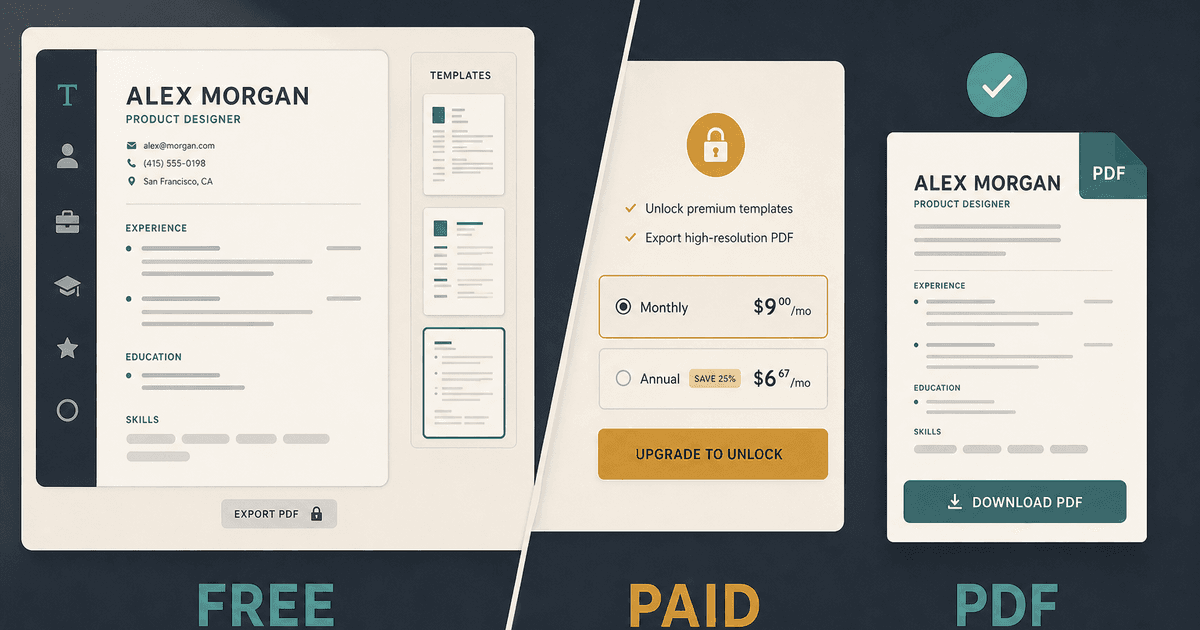
careerBy Pika Resume Team | Jul 26, 2026
How Much Is Resume Builder? Free vs Paid Explained
By Pika Resume Team | Jul 26, 2026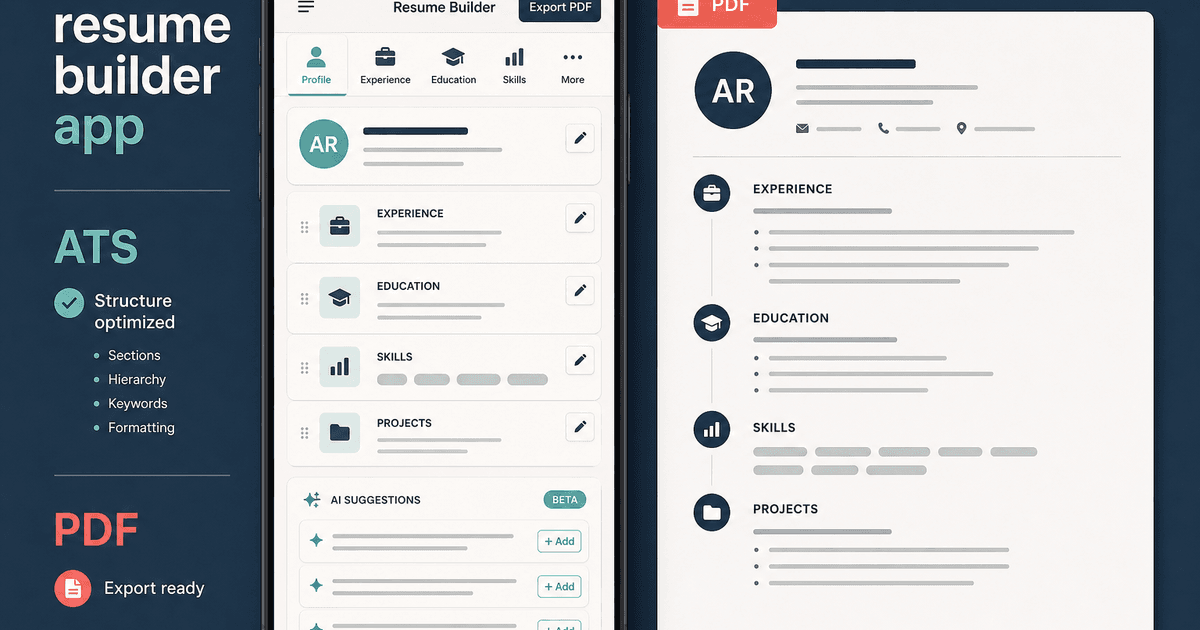
careerBy Pika Resume Team | Jul 20, 2026
Resume Builder App: What the Best One Lets You Do
By Pika Resume Team | Jul 20, 2026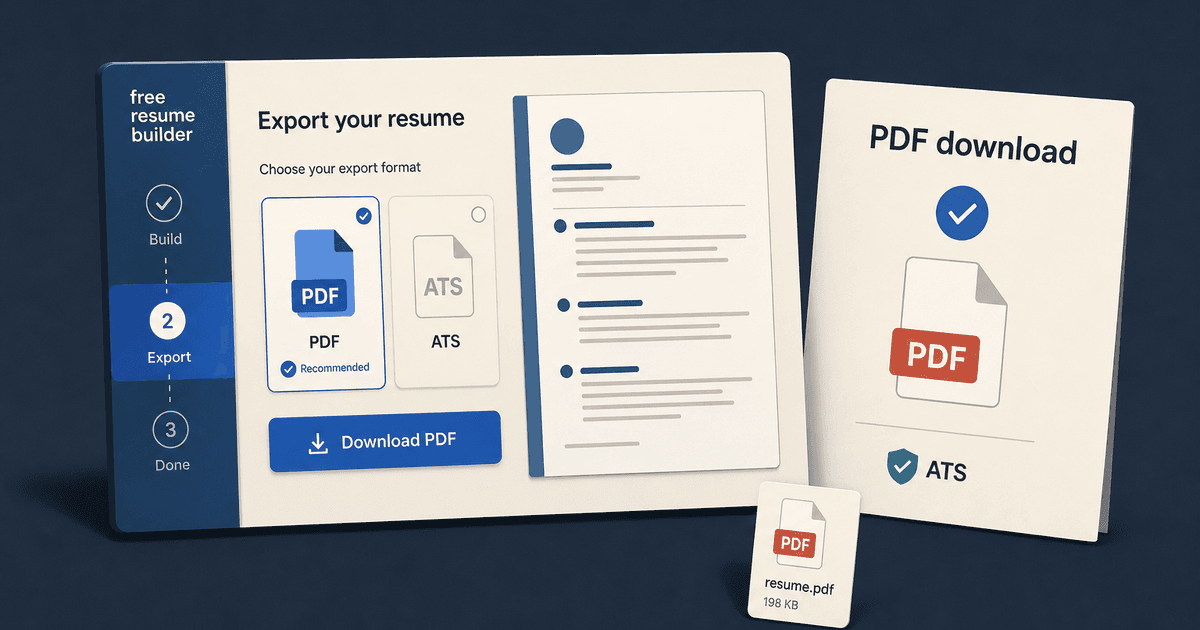
careerBy Pika Resume Team | Jul 19, 2026
Free Resume Builder and Download: Compare the Best Options
By Pika Resume Team | Jul 19, 2026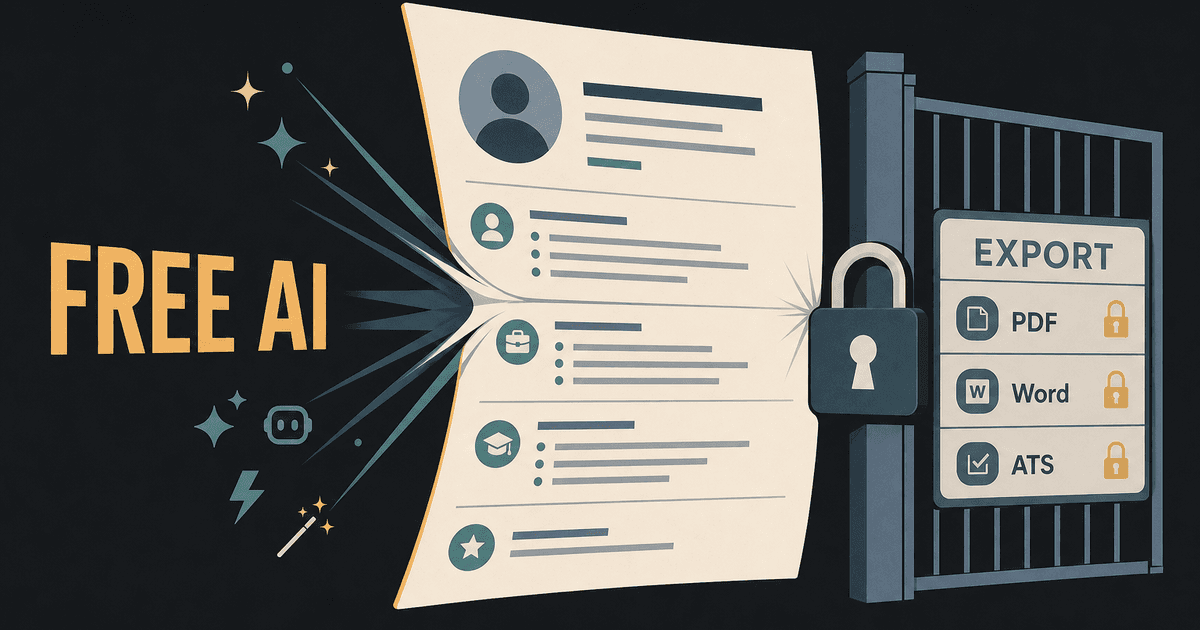
careerBy Pika Resume Team | Jul 16, 2026
Free AI Resume Builder: What It Does Well and Fails At
By Pika Resume Team | Jul 16, 2026
careerBy Pika Resume Team | Jul 13, 2026
Resume format for ATS: a simple guide that works
By Pika Resume Team | Jul 13, 2026
careerBy Pika Resume Team | Jul 12, 2026
Canva Resume Builder vs ATS Reality Check
By Pika Resume Team | Jul 12, 2026
careerBy Pika Resume Team | Jul 9, 2026
Free resume builder: what makes one worth using
By Pika Resume Team | Jul 9, 2026
careerBy Pika Resume Team | Jul 6, 2026
Resume Builder: What It Actually Does for Job Seekers
By Pika Resume Team | Jul 6, 2026
resume tipsBy Pika Resume Team | Jun 20, 2026
The Resume Sections Most People Get Wrong (and How to Fix Each One)
By Pika Resume Team | Jun 20, 2026resume tipsBy Pika Resume Team | Jun 18, 2026
How to Edit a PDF Resume Without Wrecking the Formatting
By Pika Resume Team | Jun 18, 2026resume reviewBy Pika Resume Team | Jun 16, 2026
AI Resume Feedback vs a Human Expert Review: When Each Is Worth It
By Pika Resume Team | Jun 16, 2026atsBy Pika Resume Team | Jun 14, 2026
What an ATS Actually Does to Your Resume (and the 8 Things It Scores)
By Pika Resume Team | Jun 14, 2026resume tipsBy Pika Resume Team | Jun 12, 2026
How to Tailor Your Resume to a Job Description in 2026 (the 3-Pass Method)
By Pika Resume Team | Jun 12, 2026resumeBy Gargi Chaudhari | May 30, 2026
Resume vs Biodata vs CV: Which One Do You Actually Need?
By Gargi Chaudhari | May 30, 2026resumeBy Astha Narang | May 28, 2026
10 Software Engineer Resume Examples That Got Interviews (2026)
By Astha Narang | May 28, 2026resumeBy Gargi Chaudhari | May 26, 2026
How to Convert a LinkedIn Profile to a Resume or CV
By Gargi Chaudhari | May 26, 2026resumeBy Astha Narang | May 23, 2026
Best Resume Format for Indian IT Services Companies (TCS, Infosys, Wipro, Accenture)
By Astha Narang | May 23, 2026resumeBy Gargi Chaudhari | May 21, 2026
The Complete Guide to ATS Resume Screening in India (2026)
By Gargi Chaudhari | May 21, 2026resumeBy Astha Narang | May 19, 2026
Hobbies and Interests for Resume: Should You Include Them?
By Astha Narang | May 19, 2026resumeBy Gargi Chaudhari | May 14, 2026
How to Write a Resume Headline That Gets Recruiter Calls on Naukri
By Gargi Chaudhari | May 14, 2026interviewBy Astha Narang | May 8, 2026
Decoding Interviewer Psychology: What They Don't Tell You for Your Next Job
By Astha Narang | May 8, 2026resumeBy Gargi Chaudhari | May 7, 2026
Career Objective for Resume: 50+ Fresher Examples (2026)
By Gargi Chaudhari | May 7, 2026resumeBy Astha Narang | May 6, 2026
7 Dangerous ATS Myths Debunked: What Actually Gets You Hired in 2026
By Astha Narang | May 6, 2026resumeBy Astha Narang | May 5, 2026
How to Write a Resume Format for Freshers in India (2026 Guide)
By Astha Narang | May 5, 2026resumeBy Astha Narang | May 4, 2026
Master Your Resume: The Ultimate Guide to Listing Computer Skills
By Astha Narang | May 4, 2026resumeBy Astha Narang | Apr 29, 2026
4 Sales Resume Examples for SDR, Account Executive & Manager (2026)
By Astha Narang | Apr 29, 2026resumeBy Astha Narang | Apr 29, 2026
4 Data Analyst Resume Examples for 2026 (Entry-Level to Senior)
By Astha Narang | Apr 29, 2026resumeBy Astha Narang | Apr 24, 2026
Resume Tips for 2026: The Ultimate Guide to Landing Interviews
By Astha Narang | Apr 24, 2026resumeBy Astha Narang | Apr 22, 2026
Bad Resume vs. Good Resume: A Side-by-Side Comparison for Job Seekers
By Astha Narang | Apr 22, 2026resumeBy Astha Narang | Apr 20, 2026
How to Add LinkedIn to Your Resume the Right Way in 2026
By Astha Narang | Apr 20, 2026resumeBy Astha Narang | Apr 17, 2026
7 Common Resume Mistakes to Avoid in 2026 (and How to Fix Them)
By Astha Narang | Apr 17, 2026resumeBy Pika Resume Team | Apr 15, 2026
Master Your LinkedIn-to-Resume Link: A 2026 Guide for Top Candidates
By Pika Resume Team | Apr 15, 2026resumeBy Astha Narang | Apr 13, 2026
How to Write a Winning Resume Summary That Grabs Recruiter Attention
By Astha Narang | Apr 13, 2026careerBy Astha Narang | Apr 11, 2026
Owning Your Career Break: How to Frame a Gap Year on Your Resume in 2026
By Astha Narang | Apr 11, 2026resumeBy Astha Narang | Apr 8, 2026
The Complete 2026 Resume Guide: Crafting a Job-Winning Document
By Astha Narang | Apr 8, 2026resumeBy Astha Narang | Apr 4, 2026
Beat the ATS: Optimize Your Resume for Applicant Tracking Systems in 2026
By Astha Narang | Apr 4, 2026resumeBy Astha Narang | Mar 30, 2026
Expert Resume Review: Is It Worth the Investment for Your Career?
By Astha Narang | Mar 30, 2026resumeBy Astha Narang | Mar 27, 2026
How Many References Should You Have on Your Resume?
By Astha Narang | Mar 27, 2026resumeBy Astha Narang | Mar 25, 2026
Master the 30-Second Resume Scan: Expert & Recruiter Insights
By Astha Narang | Mar 25, 2026resumeBy Astha Narang | Mar 24, 2026
How to Explain Employment Gaps on Your Resume & Ace Interviews
By Astha Narang | Mar 24, 2026resumeBy Astha Narang | Mar 20, 2026
Master Resume Keywords: Your Guide to ATS Success
By Astha Narang | Mar 20, 2026careerBy Astha Narang | Mar 18, 2026
How to Stand Out in Interviews While Still Being Authentic
By Astha Narang | Mar 18, 2026careerBy Astha Narang | Mar 14, 2026
Why Sending the Same Resume to Every Job is Costing You Interviews
By Astha Narang | Mar 14, 2026resumeBy Astha Narang | Mar 12, 2026
The Dynamic Duo: Why AI + Human Expertise is the 2026 Career Cheat Code
By Astha Narang | Mar 12, 2026careerBy Astha Narang | Mar 9, 2026
Get Your Resume Roasted Using PIKA AI
By Astha Narang | Mar 9, 2026jobBy Astha Narang | Mar 7, 2026
How to Show a Promotion on Your Resume? (And Why Most People Get It Wrong)
By Astha Narang | Mar 7, 2026careerBy Astha Narang | Mar 6, 2026
Should You Put Your Address on Your Resume in 2026?
By Astha Narang | Mar 6, 2026careerBy Astha Narang | Mar 3, 2026
Is It Illegal to Lie on a Resume? What Actually Happens in 2026
By Astha Narang | Mar 3, 2026jobBy Pika Resume Team | Feb 5, 2026
How to Optimize Your Resume for Remote Job Applications
By Pika Resume Team | Feb 5, 2026interviewBy Pika Resume Team | Feb 1, 2026
How to Write an ATS-Friendly Resume in 2026
By Pika Resume Team | Feb 1, 2026cover-letterBy Pika Resume Team | Jan 25, 2026
Top 7 Cover Letter Mistakes That Cost You the Interview
By Pika Resume Team | Jan 25, 2026resumeBy Pika Resume Team | Jan 18, 2026
AI Resume Builders: A Complete Guide for Job Seekers in 2026
By Pika Resume Team | Jan 18, 2026jobBy Pika Resume Team | Jan 10, 2026
Resume Tips for Career Changers: Making a Smooth Transition
By Pika Resume Team | Jan 10, 2026careerBy Pika Resume Team | Jan 3, 2026
The Power of Keywords in Your Resume: An SEO Approach to Job Applications
By Pika Resume Team | Jan 3, 2026