
Owning Your Career Break: How to Frame a Gap Year on Your Resume in 2026
Learn how to reframe career breaks as intentional growth opportunities. Discover how to title, bullet point, and interview about your gap year to impress modern recruiters.
 Published by Astha Narang|April 11, 2026|6 min read
The Gap Year is No Longer Taboo: How to Own Your Career Break in 2026
"Your gap isn't a hole in your resume. It's the space where you grew."
For decades, the resume gap was the thing job seekers dreaded most. We were told that even three months away from a payroll would make hiring managers question our drive, our commitment, and our relevance. The unspoken rule was simple: never stop, never pause, never admit you needed to.
It's 2026, and that rule has finally expired.
Between global shifts, the widespread conversation around burnout, and a generational push toward more intentional careers, recruiters have largely caught up to reality. Humans are not machines. Whether you took time off to travel, care for a family member, retrain, or simply recover from years of running on empty, you didn't stop your career. In most cases, you extended it.
The question now isn't whether a gap hurts you. It's whether you know how to talk about it.
The Mindset Shift: Why Recruiters Think Differently About Gaps Now
In the current hiring market, employers are increasingly screening for resilience and intentionality. A candidate who recognised they needed a break, took one, and came back with a clear head is often a stronger hire than someone dragging five years of unchecked burnout into a new role.
The gap itself is rarely the problem. The problem is the blank space. When you leave an unexplained hole in your timeline, the recruiter's imagination fills it in, and rarely with something flattering. The moment you name it, you control what they think about it.
That single shift — from hiding to heading — is where most candidates go wrong, and where you can get it right.
Step 01: Stop Hiding It. Start "Heading" It.
The most common mistake candidates make is trying to fudge their dates to compress or conceal a gap. This is a bad strategy. Background checks and modern ATS platforms are good at catching exactly this kind of thing, and getting caught looks far worse than the gap itself.
The better approach is to treat your career break the same way you would treat any other role: give it a title and put it in your Professional Experience section.
Here are three recommended titles depending on your situation:
Planned Career Sabbatical
Best for travel, personal growth, or time taken to reset and reflect with intention.
Professional Upskilling Intensive
Best if you spent the time learning — courses, certifications, self-directed projects, or career pivots.
Family Leadership and Care Management
Best for parental leave, caregiving responsibilities, or managing a family health situation.
Step 02: How to Write Bullet Points for a Career Break
Not having a salary during a period doesn't mean you weren't building transferable skills. The 2026 approach is to look at what you actually did and translate it into the language of the workplace. Almost every kind of break produces something worth listing.
If you travelled:
Your gap isn't a hole in your resume. It's the space where you grew. Managed cross-continental logistics, budgeting, and real-time problem-solving across 6 countries and 4 languages. Signals project management, adaptability, and comfort with ambiguity.
If you upskilled:
Your gap isn't a hole in your resume. It's the space where you grew. Dedicated 500+ hours to mastering Advanced Python and Data Visualization; completed 3 independent projects currently hosted on GitHub. Demonstrates self-motivation, focus, and concrete output.
If you were a caregiver:
Your gap isn't a hole in your resume. It's the space where you grew. Managed complex family logistics, healthcare coordination, and financial planning during a high-stakes family transition. Shows organisation, crisis management, and the ability to handle pressure.
The Human Check
Before you write your bullet points, ask yourself: what did I actually learn about myself during this time that makes me a better employee now? Maybe it's patience. Maybe it's a new perspective on how businesses operate in different markets. Maybe it's just a recharged sense of purpose. Whatever your honest answer is, that's the thing worth selling in the interview.
The Old Way vs. The 2026 Way
Here's a direct comparison of how most candidates handle career gaps versus what actually works with modern recruiters.
| The Traditional Approach | The 2026 Approach | Why It Works |
|---|---|---|
| Leaving a 12-month blank space in your timeline | Listing "Planned Career Sabbatical" as a named entry | Shows intentionality. You made a choice; you didn't disappear. |
| Telling the recruiter "I was burned out" | Saying "I took a strategic break to reassess and pivot" | Sounds like a decision, not a collapse. Self-awareness reads as strength. |
| Ignoring the gap entirely in your cover letter | Briefly mentioning the perspective you gained | Builds trust and authenticity without over-explaining. |
"In 2026, the most interesting people in the room are the ones who have actually lived a little. A career is a marathon, not a sprint."
How PikaResume Makes Non-Linear Look High-Level
Most resume builders are rigid. Try to add a sabbatical section in a standard Word template and the formatting breaks, the dates look awkward, and the ATS has no idea what it's looking at. We built PikaResume for careers that don't follow a straight line.
Customisable Sections
Add a "Professional Development" or "Career Sabbatical" block that sits seamlessly in your timeline, with the same design quality as your work history — no awkward formatting patches.
The Human Layout
Our templates guide the recruiter's eye toward your wins first. A gap becomes a natural part of an evolving, intentional career story — not a stop sign in the middle of your timeline.
ATS Optimisation
Even your non-traditional sections are structured so scanners can read them correctly. Your "upskilling" keywords count toward your match score, not get lost in a formatting black hole.
Own Your Story
A gap on your resume is only a problem if you treat it like one. The moment you name it, contextualise it, and show what came out of it, it stops being something to apologise for and starts being something that sets you apart.
Most candidates who took career breaks came back with something they couldn't have built on the job — perspective, resilience, a new skill, or simply the clarity that comes from stepping off the treadmill for a moment. That's not a liability. That's exactly the kind of self-awareness employers in 2026 are looking for.
Use PikaResume to frame that growth the right way, and watch how quickly the right employers respond.


Create your Resume
Your resume is an extension of you. Make it truly yours.
Related Articles
Related guides & tools
Free AI Resume BuilderBuild a tailored, ATS-friendly resume from scratchFree Resume TemplatesChoose a professional layout for your roleATS Resume CheckerCheck your score, parsing and issues before you applyOnline CV MakerCreate a CV with guided sections and templatesOnline Resume EditorEdit an existing PDF without rebuilding its layoutHobbies for ResumeSkills for ResumeLinkedIn to ResumeResume Examples
Continue Reading
Check more recommended readings to get the job of your dreams.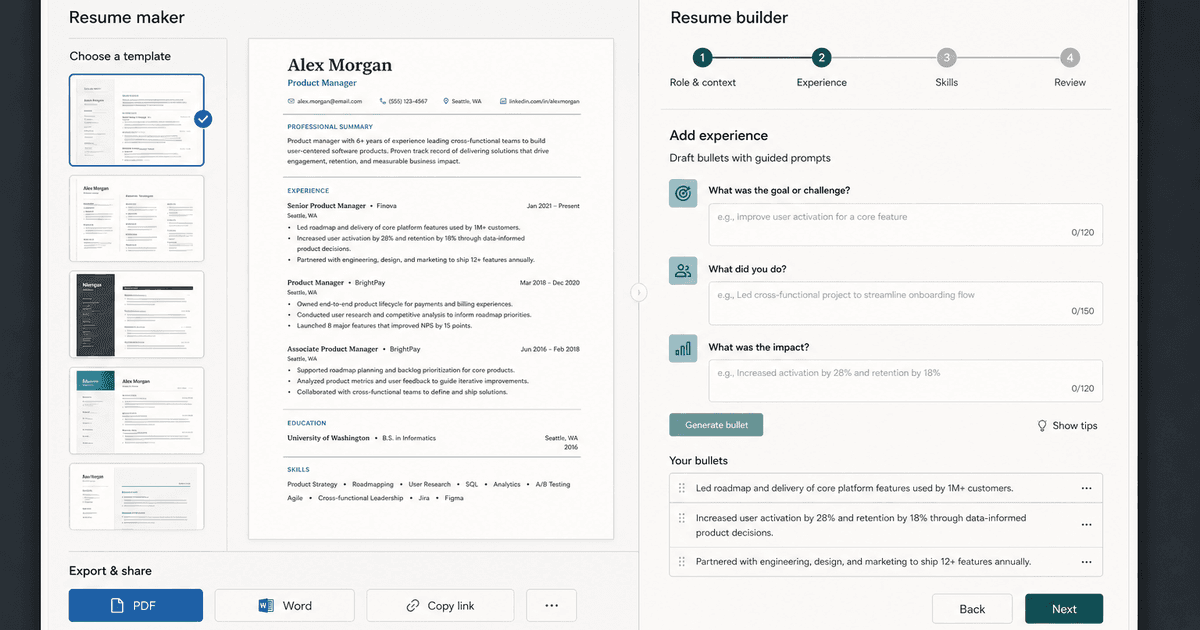
career By Pika Resume Team | Aug 3, 2026
Resume Maker vs Resume Builder: Which Should Job Seekers Use?
By Pika Resume Team | Aug 3, 2026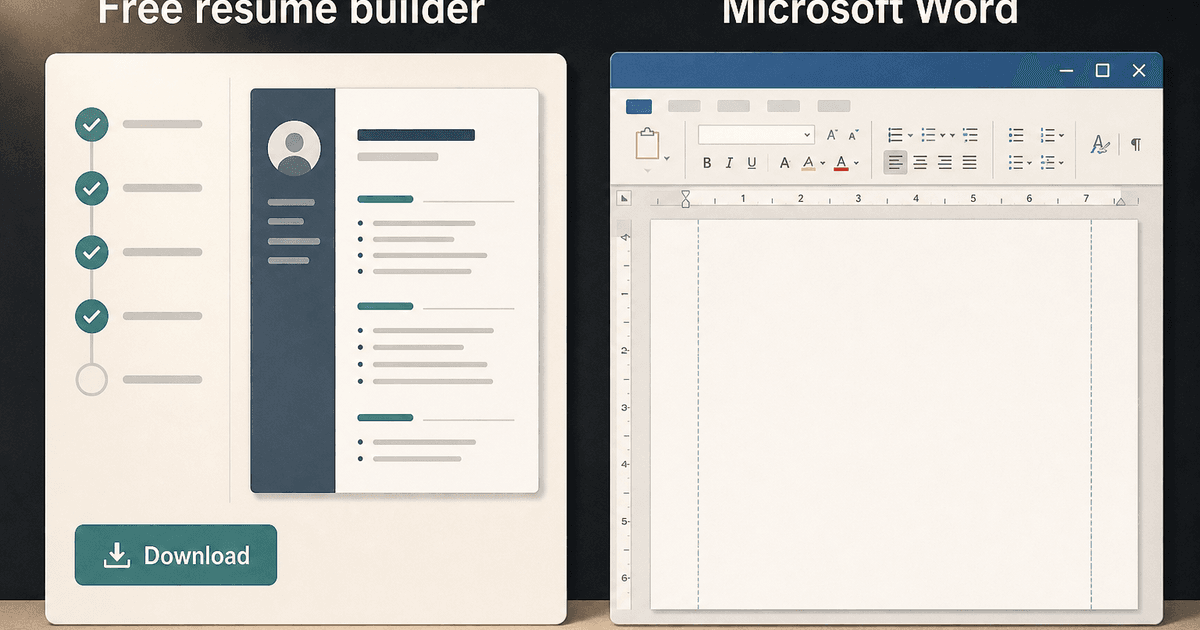
careerBy Pika Resume Team | Aug 2, 2026
Free Resume Builder and Download vs Microsoft Word
By Pika Resume Team | Aug 2, 2026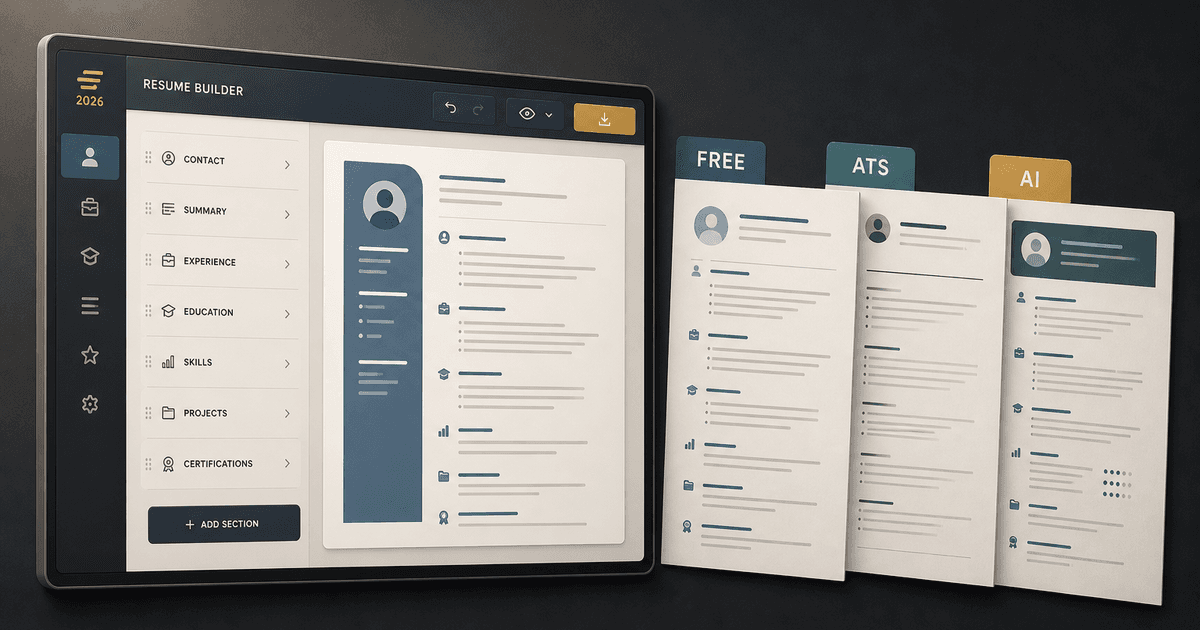
careerBy Pika Resume Team | Jul 30, 2026
What Is the Best Resume Builder Website for 2026?
By Pika Resume Team | Jul 30, 2026
careerBy Pika Resume Team | Jul 27, 2026
How to Cancel Resume Builder Subscription Without Surprises
By Pika Resume Team | Jul 27, 2026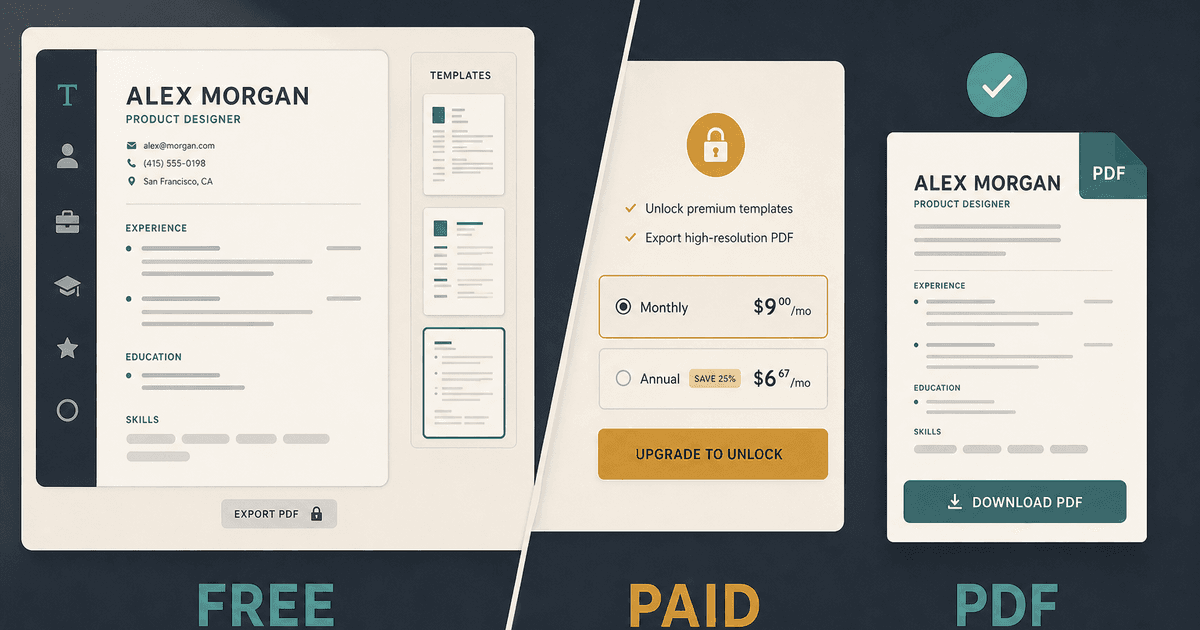
careerBy Pika Resume Team | Jul 26, 2026
How Much Is Resume Builder? Free vs Paid Explained
By Pika Resume Team | Jul 26, 2026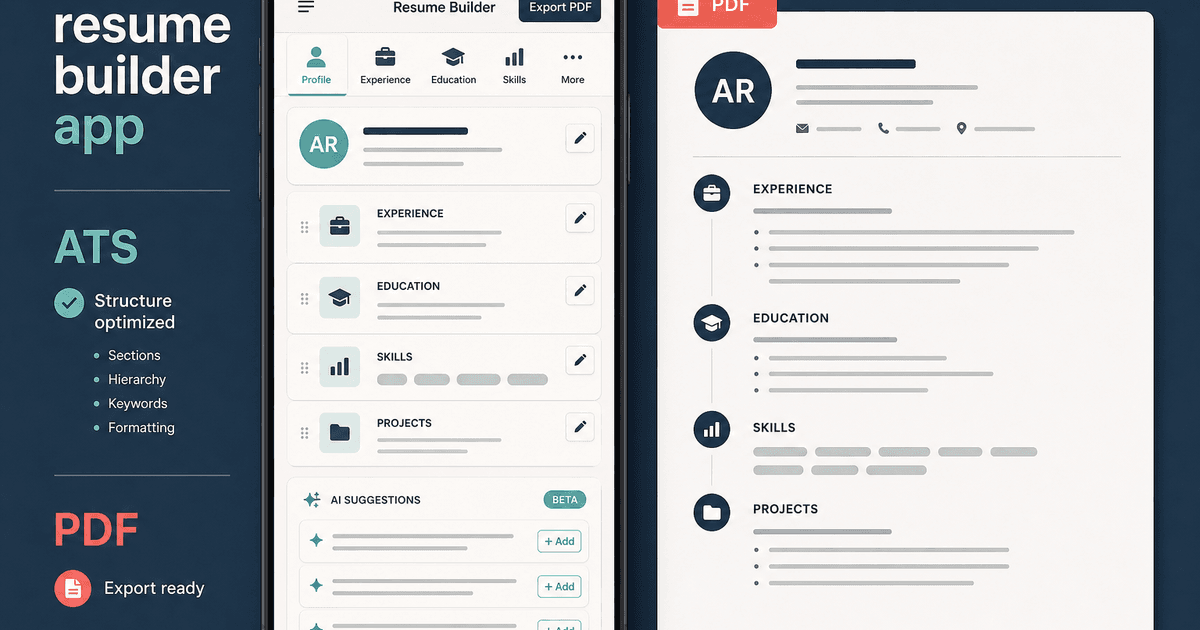
careerBy Pika Resume Team | Jul 20, 2026
Resume Builder App: What the Best One Lets You Do
By Pika Resume Team | Jul 20, 2026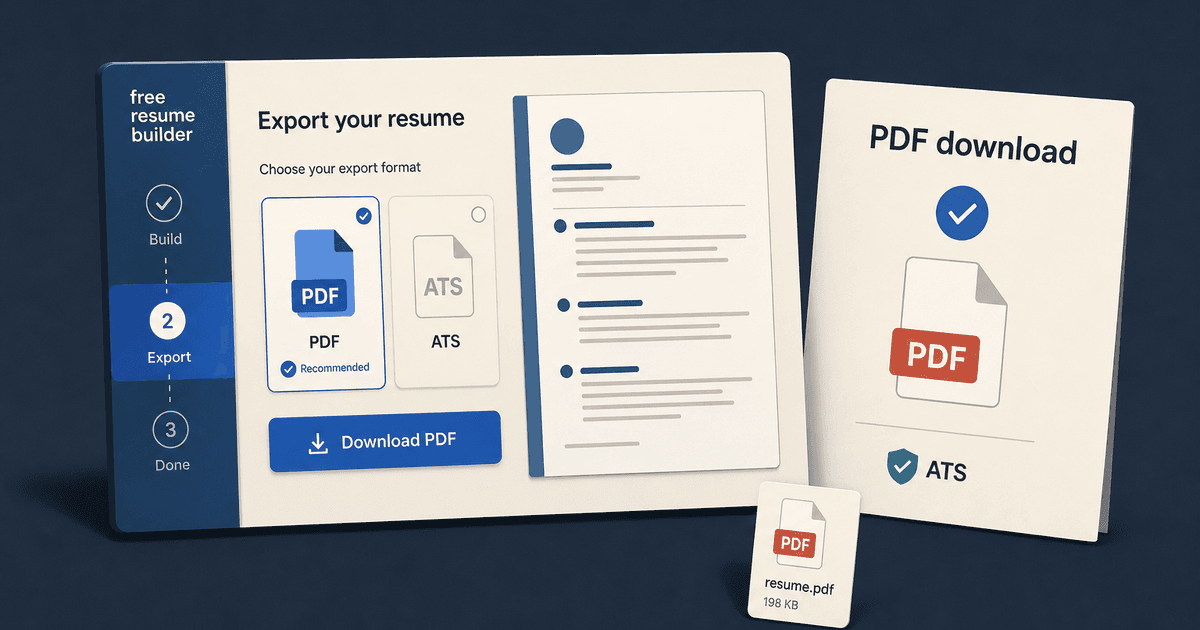
careerBy Pika Resume Team | Jul 19, 2026
Free Resume Builder and Download: Compare the Best Options
By Pika Resume Team | Jul 19, 2026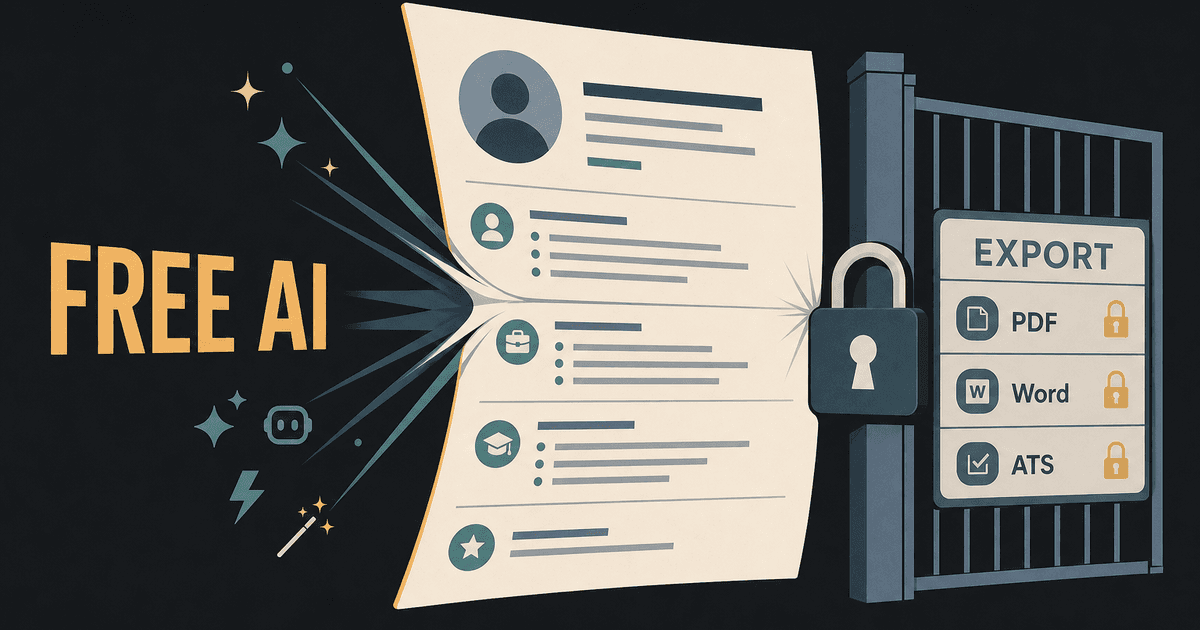
careerBy Pika Resume Team | Jul 16, 2026
Free AI Resume Builder: What It Does Well and Fails At
By Pika Resume Team | Jul 16, 2026
careerBy Pika Resume Team | Jul 13, 2026
Resume format for ATS: a simple guide that works
By Pika Resume Team | Jul 13, 2026
careerBy Pika Resume Team | Jul 12, 2026
Canva Resume Builder vs ATS Reality Check
By Pika Resume Team | Jul 12, 2026
careerBy Pika Resume Team | Jul 9, 2026
Free resume builder: what makes one worth using
By Pika Resume Team | Jul 9, 2026
careerBy Pika Resume Team | Jul 6, 2026
Resume Builder: What It Actually Does for Job Seekers
By Pika Resume Team | Jul 6, 2026
resume tipsBy Pika Resume Team | Jun 20, 2026
The Resume Sections Most People Get Wrong (and How to Fix Each One)
By Pika Resume Team | Jun 20, 2026resume tipsBy Pika Resume Team | Jun 18, 2026
How to Edit a PDF Resume Without Wrecking the Formatting
By Pika Resume Team | Jun 18, 2026resume reviewBy Pika Resume Team | Jun 16, 2026
AI Resume Feedback vs a Human Expert Review: When Each Is Worth It
By Pika Resume Team | Jun 16, 2026atsBy Pika Resume Team | Jun 14, 2026
What an ATS Actually Does to Your Resume (and the 8 Things It Scores)
By Pika Resume Team | Jun 14, 2026resume tipsBy Pika Resume Team | Jun 12, 2026
How to Tailor Your Resume to a Job Description in 2026 (the 3-Pass Method)
By Pika Resume Team | Jun 12, 2026resumeBy Gargi Chaudhari | May 30, 2026
Resume vs Biodata vs CV: Which One Do You Actually Need?
By Gargi Chaudhari | May 30, 2026resumeBy Astha Narang | May 28, 2026
10 Software Engineer Resume Examples That Got Interviews (2026)
By Astha Narang | May 28, 2026resumeBy Gargi Chaudhari | May 26, 2026
How to Convert a LinkedIn Profile to a Resume or CV
By Gargi Chaudhari | May 26, 2026resumeBy Astha Narang | May 23, 2026
Best Resume Format for Indian IT Services Companies (TCS, Infosys, Wipro, Accenture)
By Astha Narang | May 23, 2026resumeBy Gargi Chaudhari | May 21, 2026
The Complete Guide to ATS Resume Screening in India (2026)
By Gargi Chaudhari | May 21, 2026resumeBy Astha Narang | May 19, 2026
Hobbies and Interests for Resume: Should You Include Them?
By Astha Narang | May 19, 2026resumeBy Gargi Chaudhari | May 14, 2026
How to Write a Resume Headline That Gets Recruiter Calls on Naukri
By Gargi Chaudhari | May 14, 2026interviewBy Astha Narang | May 8, 2026
Decoding Interviewer Psychology: What They Don't Tell You for Your Next Job
By Astha Narang | May 8, 2026resumeBy Gargi Chaudhari | May 7, 2026
Career Objective for Resume: 50+ Fresher Examples (2026)
By Gargi Chaudhari | May 7, 2026resumeBy Astha Narang | May 6, 2026
7 Dangerous ATS Myths Debunked: What Actually Gets You Hired in 2026
By Astha Narang | May 6, 2026resumeBy Astha Narang | May 4, 2026
Master Your Resume: The Ultimate Guide to Listing Computer Skills
By Astha Narang | May 4, 2026resumeBy Astha Narang | Apr 29, 2026
4 Sales Resume Examples for SDR, Account Executive & Manager (2026)
By Astha Narang | Apr 29, 2026resumeBy Astha Narang | Apr 29, 2026
4 Data Analyst Resume Examples for 2026 (Entry-Level to Senior)
By Astha Narang | Apr 29, 2026resumeBy Astha Narang | Apr 24, 2026
Resume Tips for 2026: The Ultimate Guide to Landing Interviews
By Astha Narang | Apr 24, 2026resumeBy Astha Narang | Apr 22, 2026
Bad Resume vs. Good Resume: A Side-by-Side Comparison for Job Seekers
By Astha Narang | Apr 22, 2026resumeBy Astha Narang | Apr 20, 2026
How to Add LinkedIn to Your Resume the Right Way in 2026
By Astha Narang | Apr 20, 2026resumeBy Astha Narang | Apr 17, 2026
7 Common Resume Mistakes to Avoid in 2026 (and How to Fix Them)
By Astha Narang | Apr 17, 2026resumeBy Pika Resume Team | Apr 15, 2026
Master Your LinkedIn-to-Resume Link: A 2026 Guide for Top Candidates
By Pika Resume Team | Apr 15, 2026resumeBy Astha Narang | Apr 13, 2026
How to Write a Winning Resume Summary That Grabs Recruiter Attention
By Astha Narang | Apr 13, 2026careerBy Astha Narang | Apr 11, 2026
Owning Your Career Break: How to Frame a Gap Year on Your Resume in 2026
By Astha Narang | Apr 11, 2026resumeBy Astha Narang | Apr 8, 2026
The Complete 2026 Resume Guide: Crafting a Job-Winning Document
By Astha Narang | Apr 8, 2026resumeBy Astha Narang | Apr 4, 2026
Beat the ATS: Optimize Your Resume for Applicant Tracking Systems in 2026
By Astha Narang | Apr 4, 2026resumeBy Astha Narang | Mar 30, 2026
Expert Resume Review: Is It Worth the Investment for Your Career?
By Astha Narang | Mar 30, 2026resumeBy Astha Narang | Mar 25, 2026
Master the 30-Second Resume Scan: Expert & Recruiter Insights
By Astha Narang | Mar 25, 2026resumeBy Astha Narang | Mar 24, 2026
How to Explain Employment Gaps on Your Resume & Ace Interviews
By Astha Narang | Mar 24, 2026resumeBy Astha Narang | Mar 20, 2026
Master Resume Keywords: Your Guide to ATS Success
By Astha Narang | Mar 20, 2026careerBy Astha Narang | Mar 18, 2026
How to Stand Out in Interviews While Still Being Authentic
By Astha Narang | Mar 18, 2026careerBy Astha Narang | Mar 14, 2026
Why Sending the Same Resume to Every Job is Costing You Interviews
By Astha Narang | Mar 14, 2026resumeBy Astha Narang | Mar 12, 2026
The Dynamic Duo: Why AI + Human Expertise is the 2026 Career Cheat Code
By Astha Narang | Mar 12, 2026careerBy Astha Narang | Mar 9, 2026
Get Your Resume Roasted Using PIKA AI
By Astha Narang | Mar 9, 2026jobBy Astha Narang | Mar 7, 2026
How to Show a Promotion on Your Resume? (And Why Most People Get It Wrong)
By Astha Narang | Mar 7, 2026careerBy Astha Narang | Mar 6, 2026
Should You Put Your Address on Your Resume in 2026?
By Astha Narang | Mar 6, 2026careerBy Astha Narang | Mar 3, 2026
Is It Illegal to Lie on a Resume? What Actually Happens in 2026
By Astha Narang | Mar 3, 2026jobBy Pika Resume Team | Feb 5, 2026
How to Optimize Your Resume for Remote Job Applications
By Pika Resume Team | Feb 5, 2026interviewBy Pika Resume Team | Feb 1, 2026
How to Write an ATS-Friendly Resume in 2026
By Pika Resume Team | Feb 1, 2026cover-letterBy Pika Resume Team | Jan 25, 2026
Top 7 Cover Letter Mistakes That Cost You the Interview
By Pika Resume Team | Jan 25, 2026resumeBy Pika Resume Team | Jan 18, 2026
AI Resume Builders: A Complete Guide for Job Seekers in 2026
By Pika Resume Team | Jan 18, 2026jobBy Pika Resume Team | Jan 10, 2026
Resume Tips for Career Changers: Making a Smooth Transition
By Pika Resume Team | Jan 10, 2026careerBy Pika Resume Team | Jan 3, 2026
The Power of Keywords in Your Resume: An SEO Approach to Job Applications
By Pika Resume Team | Jan 3, 2026