
7 Common Resume Mistakes to Avoid in 2026 (and How to Fix Them)
Discover the 7 biggest resume blunders that cost you interviews in 2026. Learn how to fix messy contact info, cliché words, ATS issues, and more.
 Published by Astha Narang|April 17, 2026|14 min read
Bad Resume Examples: What Not to Do with Your Resume in 2026
Your resume is your highlight reel, not a list of chores. Here are the 7 biggest blunders to avoid in 2026, with simple fixes that make your experience stand out instantly.
It's 11:14 PM. Your coffee has gone cold. You are one bad Monday away from quitting your job, and your resume is still sitting there, half finished, judging you.
So you start making little decisions that feel harmless. You squish the margins to save space. You paste in a line from that old resume you wrote in 2019. You sprinkle in a few safe words like "passionate" and "detail oriented." Done. Send.
Then nothing happens. No callbacks. No interviews. Not even a polite rejection.
Here's the hard truth. In 2026, getting hired is not about having a perfect resume. It's about not having an annoying one. Recruiters are drowning in applications, and most of them spend around six seconds deciding whether to keep reading or move on. Six seconds. That's shorter than a TikTok.
If you've been wondering why your applications disappear into the void, the answer is probably hiding inside your own document. Below are the most common bad resume examples we see every single day at PikaResume, and more importantly, what to do instead.
Quick Reference: Bad Resume Habits vs. Better Moves
Before we get into the details, here's a cheat sheet you can screenshot. If you spot yourself doing anything in the left column, you already know what needs to change.
| # | The Bad Habit | What It Signals to Recruiters | The Better Move |
|---|---|---|---|
| 1 | Missing or messy contact info | "This person is disorganized." | Name, city, phone, clickable email and LinkedIn at the top |
| 2 | Cliché words like synergy, go-getter, detail oriented | "This is a copy paste job." | Replace adjectives with numbers and proof |
| 3 | Fancy columns, icons, skill bars | "The ATS can't read this." | Clean single column layout with clear headings |
| 4 | Bullets that list tasks, not wins | "Easy to replace." | Action verb, task, result with a number |
| 5 | Tiny fonts and zero white space | "This is going to be painful to read." | 10 to 11 point font, 0.5 to 1 inch margins |
| 6 | Every job since high school | "Stuck in the past." | Focus on the last 10 years |
| 7 | Obvious AI or robot voice | "Did a bot write this?" | Your own voice, with AI as an editor not a ghostwriter |
Now let's break each one down, because knowing the rule is one thing. Understanding why it kills your chances is what actually helps you fix it.
1. The Mystery Candidate: Missing or Messy Contact Info
Most recruiters today are reviewing resumes on a phone between meetings, on the train, or while eating lunch at their desk. If they have to pinch, zoom, scroll, or copy a LinkedIn URL into a browser by hand, you've already lost them.
Why it kills your chances
This isn't really about contact info. It's about attention to detail. If you can't make it easy to reach you, a hiring manager will quietly assume you'll also struggle with client emails, calendar invites, and six figure projects. Harsh, but that's the math they run in their head.
The sneaky mistake
Using an old, unprofessional email address. If your resume says
skater_boy99@yahoo.com or cutiepie2007@hotmail.com, you're telling the recruiter you haven't touched your professional identity in fifteen years. Create a clean email like firstname.lastname@gmail.com and use it for job hunting only.Quick fix: Name, phone, professional email, LinkedIn URL (clickable), and city. That's it. No need for your full street address anymore.
2. The Cliché Explosion
Think of resume clichés as empty calories. When a recruiter reads words like synergy, go-getter, team player, results driven, or detail oriented, their brain basically checks out. These words have been overused to the point of meaning nothing.
In a job market full of AI generated applications, generic buzzwords are now a red flag. They scream "copy paste template."
Why it kills your chances
The top third of your resume is prime real estate. You have around 300 words to convince someone you're worth a serious salary. Burning twenty of them on "passionate" is like buying a Times Square billboard and leaving it blank.
The fix: the Prove It Rule
For every adjective you want to use, back it up with a noun and a number.
- Instead of creative, write "Designed 12 brand identities for early stage startups."
- Instead of leader, write "Mentored 4 junior developers through their first production release."
- Instead of punctual, write "Hit every project deadline across 3 years and 40+ launches."
You don't need to say you're great. You need to show you are.
3. The Graphic Designer's Fever Dream
There is an invisible wall between you and every recruiter. It's called the Applicant Tracking System, or ATS. In 2026, most mid sized and large companies run every resume through one before a human sees it.
When you submit a creative layout with side panels, icons, skill bars, and fancy fonts, the ATS sees a scrambled mess. It might read your work history as your education. It might pull your name from a text box instead of the top. Worst case, it reads your entire resume as a blank page.
Why it kills your chances
It doesn't matter how perfect your experience is. If the robot can't parse your file, no human will ever see it. You got rejected before the recruiter even opened their inbox.
The skill bar myth
Stop using those 1 to 10 rating graphics for your skills, like "Photoshop: 8/10." Who decided you were an 8? To a recruiter, those bars look like you're hiding a gap behind a pretty graphic. A skill is either on your resume (because you can actually do the job) or it isn't.
The fix
Use a clean single column layout. Yes, it's boring. Boring is good. Use bold text and font size to create visual hierarchy, not colors and shapes. Save the design energy for your portfolio site where it actually matters.
4. Task List vs. Win List
This is the biggest and most fixable mistake in the book. It's also the one that separates people who get interviews from people who don't.
There are two kinds of employees: doers and producers. A doer completes tasks. A producer creates value. When your bullet points read like a job description ("Responsible for social media," "Handled customer inquiries"), you're describing what any person in that seat would do. That tells the recruiter nothing about you.
Why it kills your chances
It makes you feel replaceable. If any human with a pulse could have done those tasks, why should they pay top dollar for you specifically?
The Value Formula
Every bullet point should follow this simple structure:
[Strong action verb] + [the task] + [the result or number]
Compare these two:
- Weak: Helped with the annual fundraiser.
- Strong: Coordinated logistics for the 2025 Annual Fundraiser, raising $120K, a 20% jump over 2024.
Same job. Completely different candidate.
The "So What?" test
After every bullet, ask yourself "so what?" If the answer is silence, the bullet isn't finished. Even small roles have results.
- Answered phones? So what? "Answered 60+ customer calls daily with a 100% lead capture rate and zero missed inquiries."
- Managed the schedule? So what? "Rebuilt the team's weekly schedule, cutting meeting hours by 30%."
Numbers don't have to be huge. They just have to be real.
5. The Wall of Text
We live in a world of skimming. Captions, headlines, push notifications. Our brains are wired to grab information fast. Now imagine opening a resume with tiny margins, 9 point font, and paragraphs instead of bullets. Your first reaction is not "wow, this person is thorough." It's "ugh, this looks like homework."
Why it kills your chances
Your best achievement could be sitting in the middle of paragraph four, and the recruiter will never find it. White space isn't wasted space. It's a visual signal that says "look here." Without it, your biggest wins blend into the noise.
The one page myth
A lot of people are scared of going to a second page, so they squeeze everything together until it looks like a contract. Don't do that. Two clean pages beat one cluttered page, every time. If you have more than five years of experience, two pages is completely normal and even expected.
The fix
- Use 0.5 to 1 inch margins
- Stick to 10 or 11 point font
- Use bold section headings as signposts
- Keep bullet points to two lines or less
- Leave breathing room between sections
Your resume should feel easy on the eyes. A recruiter should be able to scan it, land on three specific wins, and know they want to talk to you.
6. The Relic: Hanging On to Old News
Your resume is prime real estate, and the top half of the first page is the penthouse. Every line you spend on an internship from 2012 is a line you're not using to describe the project you led last quarter.
Technology and industries move fast in 2026. Something that was cutting edge ten years ago (remember when Flash was a skill?) now just dates you.
Why it kills your chances
Loading up your resume with old jobs makes it seem like your best work is behind you. It also muddies your brand. If you're applying for a senior marketing role, your college pizza delivery job isn't adding anything. It's actually subtracting.
The Rule of 10
Focus the bulk of your resume on the last 10 years of your career. If you have 20+ years of experience:
- Keep the most recent decade detailed with bullets and results
- Compress older roles into a short "Earlier Experience" or "Career Note" section
- List only company name, title, and dates for those older entries
Summary solution
If an old job is genuinely relevant (say, you're going back to a field you left a while ago), you still don't need five bullets for it. Pick the one or two most relevant wins and cut the rest. Keep the spotlight on who you are now.
7. The Robot Voice: AI Overload

Welcome to the post AI era of hiring. Recruiters are now seeing hundreds of resumes a week that look technically perfect and feel completely hollow. If your summary opens with "In today's fast paced business environment..." or "I am a multifaceted professional with a passion for...", you might as well sign it "Sincerely, ChatGPT."
Why it kills your chances
AI is great at grammar. It's terrible at voice. It strips out the personality that makes a hiring manager want to grab coffee with you. In 2026, sounding like an actual human is a legitimate competitive edge. The resumes that get callbacks are the ones that read like a real person wrote them.
The Read Aloud test
Read your summary out loud. If you wouldn't say those exact words to a person at a networking event, delete them. Try it right now with your current resume. It's painful, but it works.
The fix
Use AI as a smart assistant, not a ghostwriter. Let it handle formatting, grammar, and keyword matching. Then go back in and layer your own voice on top. Add a specific project name, a funny industry phrase, a number only you would know. Details that AI cannot invent are the ones that make you real.
That's exactly how PikaResume is built: AI does the structure, you keep the personality.
How PikaResume Fixes These Problems for You
Writing a resume is stressful because it feels like a judgment, and honestly, it is. That's why we built PikaResume to take the weight off your shoulders without flattening your voice.
- Robot proof templates. We've already stress tested our designs against the major ATS systems so you don't have to wonder if yours will get through.
- Impact assistant. We nudge you to turn boring tasks into real wins by asking for the numbers, context, and results behind each bullet.
- Human first writing. We don't spit out a finished bot resume. We give you a framework and let your actual personality come through where it counts.
In short, we handle the boring parts so you can focus on the story only you can tell.
Frequently Asked Questions
What is the biggest mistake on a resume?
By far, the most common mistake is listing tasks instead of results. Recruiters care less about what you were responsible for and much more about what you actually achieved. Always follow a strong bullet with a number or an outcome.
How long should my resume be in 2026?
One page is fine for early career candidates with under five years of experience. If you have more than that, two clean pages are completely acceptable and often better than one cluttered page. Focus on quality and readability, not length.
Can an ATS read a creative resume with columns and icons?
Usually not well. Most ATS platforms struggle with multi column layouts, icons, text boxes, and custom fonts. A simple single column layout with standard section headings gives you the best chance of making it past the ATS.
Should I use AI to write my resume?
Use AI as a tool, not a replacement. It's great for grammar checks, formatting, and suggesting keywords. But your bullets, your wins, and your voice should be yours. Recruiters can smell a pure AI resume from a mile away in 2026.
What are the worst words to put on a resume?
Avoid vague buzzwords like synergy, go-getter, team player, results driven, detail oriented, and passionate. They take up space without telling the recruiter anything useful. Replace them with specific accomplishments and numbers.
How do I know if my resume is actually bad?
Run this test. Cover up your name and hand your resume to a friend. Give them 10 seconds. Then ask what you do, what you're good at, and why they should hire you. If they can't answer all three, your resume needs work.
The Bottom Line
A bad resume usually isn't bad because the person is untalented. It's bad because it's hard to read, hard to scan, and sounds like every other resume in the pile.
Clean up the layout. Swap clichés for proof. Lead with your wins, not your duties. And remember that the person reading your resume is tired, distracted, and scrolling on a phone. Make their job easy, and they'll make yours a lot easier too.
Ready to build a resume that actually gets you interviews? Try PikaResume for free and turn your work history into a highlight reel that recruiters can't ignore.
About the author: Astha Narang is a Career Expert at PikaResume. She writes about job search strategy, resume trends, and how to stand out in a crowded hiring market.


Create your Resume
Your resume is an extension of you. Make it truly yours.
Related Articles
Related guides & tools
Free AI Resume BuilderBuild a tailored, ATS-friendly resume from scratchFree Resume TemplatesChoose a professional layout for your roleATS Resume CheckerCheck your score, parsing and issues before you applyOnline CV MakerCreate a CV with guided sections and templatesOnline Resume EditorEdit an existing PDF without rebuilding its layoutHobbies for ResumeSkills for ResumeLinkedIn to ResumeResume Examples
Continue Reading
Check more recommended readings to get the job of your dreams.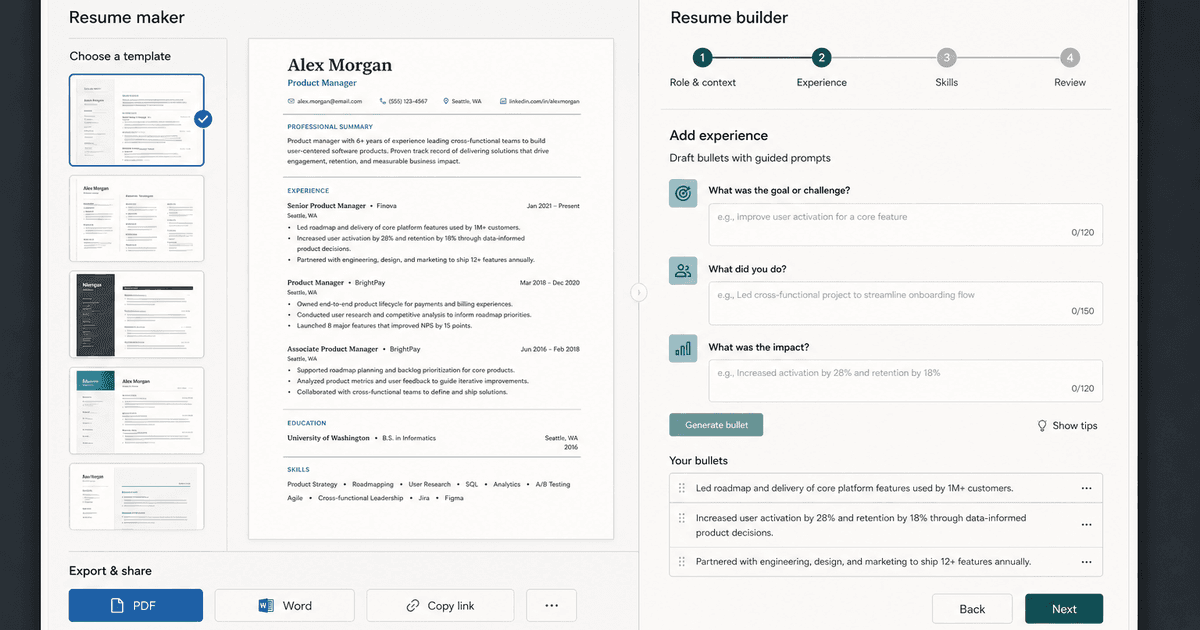
career By Pika Resume Team | Aug 3, 2026
Resume Maker vs Resume Builder: Which Should Job Seekers Use?
By Pika Resume Team | Aug 3, 2026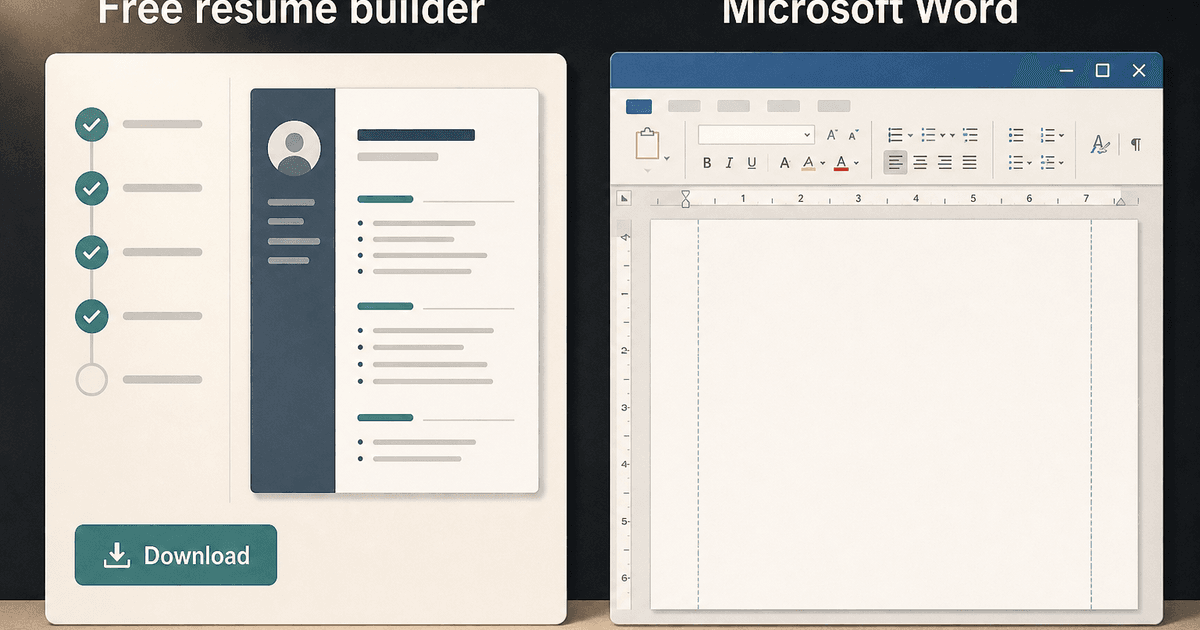
careerBy Pika Resume Team | Aug 2, 2026
Free Resume Builder and Download vs Microsoft Word
By Pika Resume Team | Aug 2, 2026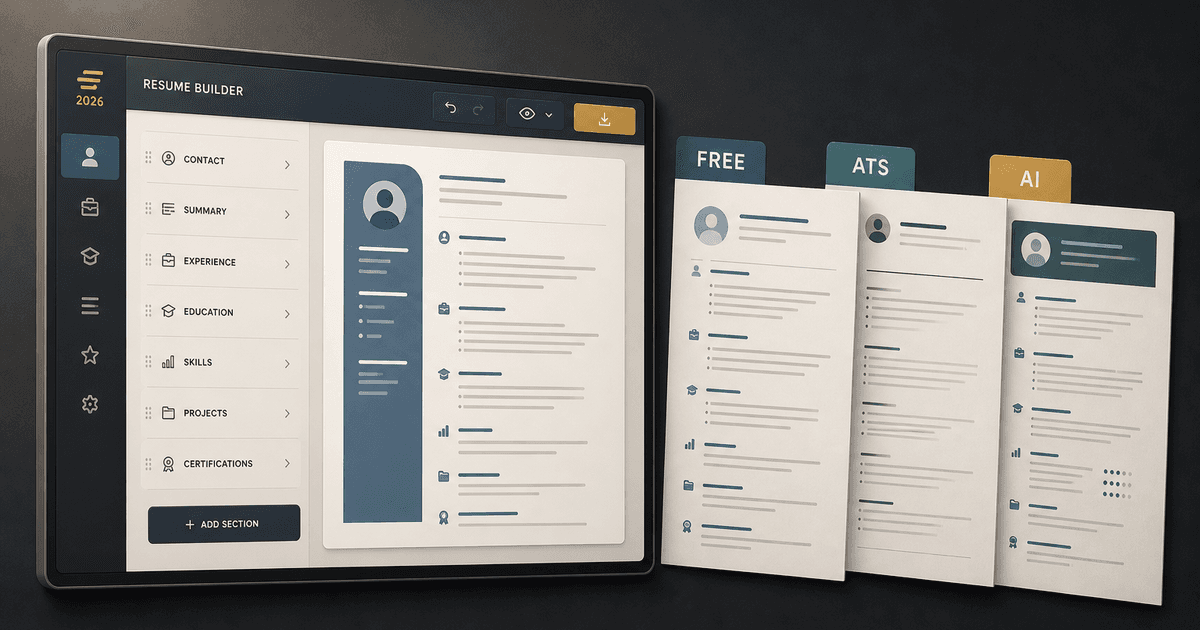
careerBy Pika Resume Team | Jul 30, 2026
What Is the Best Resume Builder Website for 2026?
By Pika Resume Team | Jul 30, 2026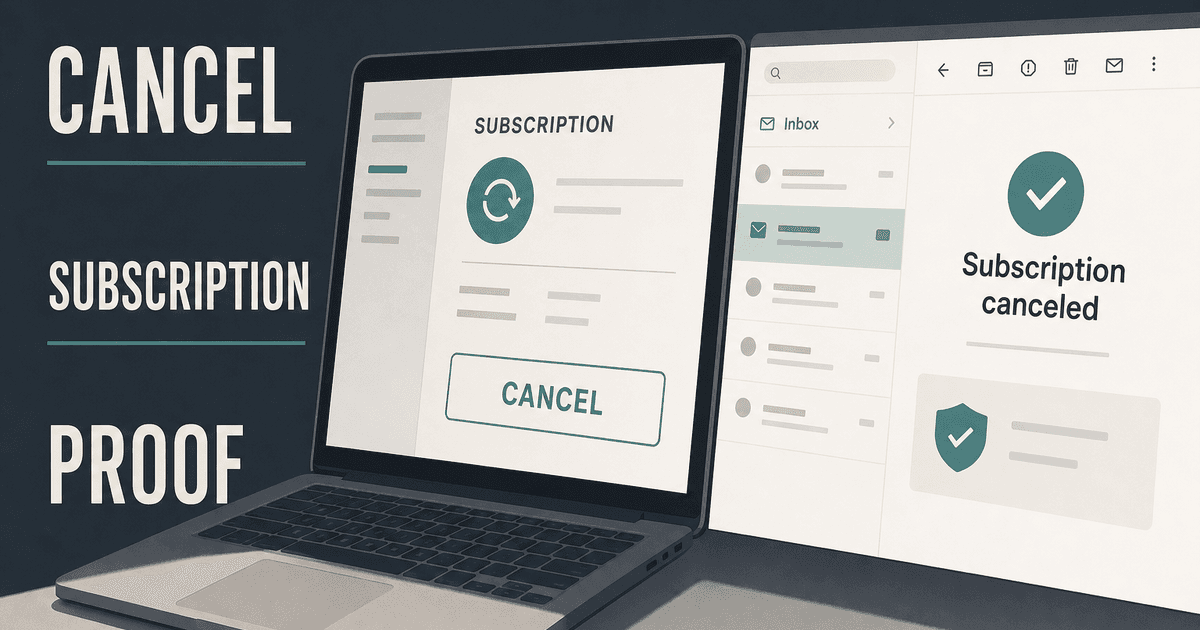
careerBy Pika Resume Team | Jul 27, 2026
How to Cancel Resume Builder Subscription Without Surprises
By Pika Resume Team | Jul 27, 2026
careerBy Pika Resume Team | Jul 26, 2026
How Much Is Resume Builder? Free vs Paid Explained
By Pika Resume Team | Jul 26, 2026
careerBy Pika Resume Team | Jul 20, 2026
Resume Builder App: What the Best One Lets You Do
By Pika Resume Team | Jul 20, 2026
careerBy Pika Resume Team | Jul 19, 2026
Free Resume Builder and Download: Compare the Best Options
By Pika Resume Team | Jul 19, 2026
careerBy Pika Resume Team | Jul 16, 2026
Free AI Resume Builder: What It Does Well and Fails At
By Pika Resume Team | Jul 16, 2026
careerBy Pika Resume Team | Jul 13, 2026
Resume format for ATS: a simple guide that works
By Pika Resume Team | Jul 13, 2026
careerBy Pika Resume Team | Jul 12, 2026
Canva Resume Builder vs ATS Reality Check
By Pika Resume Team | Jul 12, 2026
careerBy Pika Resume Team | Jul 9, 2026
Free resume builder: what makes one worth using
By Pika Resume Team | Jul 9, 2026
careerBy Pika Resume Team | Jul 6, 2026
Resume Builder: What It Actually Does for Job Seekers
By Pika Resume Team | Jul 6, 2026
resume tipsBy Pika Resume Team | Jun 20, 2026
The Resume Sections Most People Get Wrong (and How to Fix Each One)
By Pika Resume Team | Jun 20, 2026resume tipsBy Pika Resume Team | Jun 18, 2026
How to Edit a PDF Resume Without Wrecking the Formatting
By Pika Resume Team | Jun 18, 2026resume reviewBy Pika Resume Team | Jun 16, 2026
AI Resume Feedback vs a Human Expert Review: When Each Is Worth It
By Pika Resume Team | Jun 16, 2026atsBy Pika Resume Team | Jun 14, 2026
What an ATS Actually Does to Your Resume (and the 8 Things It Scores)
By Pika Resume Team | Jun 14, 2026resume tipsBy Pika Resume Team | Jun 12, 2026
How to Tailor Your Resume to a Job Description in 2026 (the 3-Pass Method)
By Pika Resume Team | Jun 12, 2026resumeBy Gargi Chaudhari | May 30, 2026
Resume vs Biodata vs CV: Which One Do You Actually Need?
By Gargi Chaudhari | May 30, 2026resumeBy Astha Narang | May 28, 2026
10 Software Engineer Resume Examples That Got Interviews (2026)
By Astha Narang | May 28, 2026resumeBy Gargi Chaudhari | May 26, 2026
How to Convert a LinkedIn Profile to a Resume or CV
By Gargi Chaudhari | May 26, 2026resumeBy Astha Narang | May 23, 2026
Best Resume Format for Indian IT Services Companies (TCS, Infosys, Wipro, Accenture)
By Astha Narang | May 23, 2026resumeBy Gargi Chaudhari | May 21, 2026
The Complete Guide to ATS Resume Screening in India (2026)
By Gargi Chaudhari | May 21, 2026resumeBy Astha Narang | May 19, 2026
Hobbies and Interests for Resume: Should You Include Them?
By Astha Narang | May 19, 2026resumeBy Gargi Chaudhari | May 14, 2026
How to Write a Resume Headline That Gets Recruiter Calls on Naukri
By Gargi Chaudhari | May 14, 2026interviewBy Astha Narang | May 8, 2026
Decoding Interviewer Psychology: What They Don't Tell You for Your Next Job
By Astha Narang | May 8, 2026resumeBy Gargi Chaudhari | May 7, 2026
Career Objective for Resume: 50+ Fresher Examples (2026)
By Gargi Chaudhari | May 7, 2026resumeBy Astha Narang | May 6, 2026
7 Dangerous ATS Myths Debunked: What Actually Gets You Hired in 2026
By Astha Narang | May 6, 2026resumeBy Astha Narang | May 4, 2026
Master Your Resume: The Ultimate Guide to Listing Computer Skills
By Astha Narang | May 4, 2026resumeBy Astha Narang | Apr 29, 2026
4 Sales Resume Examples for SDR, Account Executive & Manager (2026)
By Astha Narang | Apr 29, 2026resumeBy Astha Narang | Apr 29, 2026
4 Data Analyst Resume Examples for 2026 (Entry-Level to Senior)
By Astha Narang | Apr 29, 2026resumeBy Astha Narang | Apr 24, 2026
Resume Tips for 2026: The Ultimate Guide to Landing Interviews
By Astha Narang | Apr 24, 2026resumeBy Astha Narang | Apr 22, 2026
Bad Resume vs. Good Resume: A Side-by-Side Comparison for Job Seekers
By Astha Narang | Apr 22, 2026resumeBy Astha Narang | Apr 20, 2026
How to Add LinkedIn to Your Resume the Right Way in 2026
By Astha Narang | Apr 20, 2026resumeBy Astha Narang | Apr 17, 2026
7 Common Resume Mistakes to Avoid in 2026 (and How to Fix Them)
By Astha Narang | Apr 17, 2026resumeBy Pika Resume Team | Apr 15, 2026
Master Your LinkedIn-to-Resume Link: A 2026 Guide for Top Candidates
By Pika Resume Team | Apr 15, 2026resumeBy Astha Narang | Apr 13, 2026
How to Write a Winning Resume Summary That Grabs Recruiter Attention
By Astha Narang | Apr 13, 2026careerBy Astha Narang | Apr 11, 2026
Owning Your Career Break: How to Frame a Gap Year on Your Resume in 2026
By Astha Narang | Apr 11, 2026resumeBy Astha Narang | Apr 8, 2026
The Complete 2026 Resume Guide: Crafting a Job-Winning Document
By Astha Narang | Apr 8, 2026resumeBy Astha Narang | Apr 4, 2026
Beat the ATS: Optimize Your Resume for Applicant Tracking Systems in 2026
By Astha Narang | Apr 4, 2026resumeBy Astha Narang | Mar 30, 2026
Expert Resume Review: Is It Worth the Investment for Your Career?
By Astha Narang | Mar 30, 2026resumeBy Astha Narang | Mar 25, 2026
Master the 30-Second Resume Scan: Expert & Recruiter Insights
By Astha Narang | Mar 25, 2026resumeBy Astha Narang | Mar 24, 2026
How to Explain Employment Gaps on Your Resume & Ace Interviews
By Astha Narang | Mar 24, 2026resumeBy Astha Narang | Mar 20, 2026
Master Resume Keywords: Your Guide to ATS Success
By Astha Narang | Mar 20, 2026careerBy Astha Narang | Mar 18, 2026
How to Stand Out in Interviews While Still Being Authentic
By Astha Narang | Mar 18, 2026careerBy Astha Narang | Mar 14, 2026
Why Sending the Same Resume to Every Job is Costing You Interviews
By Astha Narang | Mar 14, 2026resumeBy Astha Narang | Mar 12, 2026
The Dynamic Duo: Why AI + Human Expertise is the 2026 Career Cheat Code
By Astha Narang | Mar 12, 2026careerBy Astha Narang | Mar 9, 2026
Get Your Resume Roasted Using PIKA AI
By Astha Narang | Mar 9, 2026jobBy Astha Narang | Mar 7, 2026
How to Show a Promotion on Your Resume? (And Why Most People Get It Wrong)
By Astha Narang | Mar 7, 2026careerBy Astha Narang | Mar 6, 2026
Should You Put Your Address on Your Resume in 2026?
By Astha Narang | Mar 6, 2026careerBy Astha Narang | Mar 3, 2026
Is It Illegal to Lie on a Resume? What Actually Happens in 2026
By Astha Narang | Mar 3, 2026jobBy Pika Resume Team | Feb 5, 2026
How to Optimize Your Resume for Remote Job Applications
By Pika Resume Team | Feb 5, 2026interviewBy Pika Resume Team | Feb 1, 2026
How to Write an ATS-Friendly Resume in 2026
By Pika Resume Team | Feb 1, 2026cover-letterBy Pika Resume Team | Jan 25, 2026
Top 7 Cover Letter Mistakes That Cost You the Interview
By Pika Resume Team | Jan 25, 2026resumeBy Pika Resume Team | Jan 18, 2026
AI Resume Builders: A Complete Guide for Job Seekers in 2026
By Pika Resume Team | Jan 18, 2026jobBy Pika Resume Team | Jan 10, 2026
Resume Tips for Career Changers: Making a Smooth Transition
By Pika Resume Team | Jan 10, 2026careerBy Pika Resume Team | Jan 3, 2026
The Power of Keywords in Your Resume: An SEO Approach to Job Applications
By Pika Resume Team | Jan 3, 2026