
Decoding Interviewer Psychology: What They Don't Tell You for Your Next Job
Unlock the unspoken rules of interviews. Learn interviewer biases, mental shortcuts, and decision frameworks to ace your next job interview.
 Published by Astha Narang|May 8, 2026|17 min read
Decoding the Psychology of an Interviewer: What They Don't Tell You
The biases, mental shortcuts, and decision frameworks shaping every interview you'll ever sit in. Plus how to use them to your advantage in 2026.
Interviews feel like tests. You walk in, you answer questions, you get scored, you either pass or fail. That's the candidate's experience. The interviewer's experience is something else entirely. They're tired. They've already done two interviews today. They've got a meeting at 4pm. They have rough mental shortcuts they use to decide quickly because their brain refuses to do this from scratch every single time.
None of this is in the prep guides. Every candidate-facing piece of interview advice teaches you the STAR method, common questions, and how to dress. Almost none of them explain how the person across the table actually thinks. Which is strange, because that's the whole game.
This guide is the version interview coaches use behind closed doors. It walks through what an interviewer is actually doing, what they're actually deciding, and the unspoken rules that shape every hiring decision. Read it before your next interview and you'll start to see the whole conversation differently.
Key Stats
| Stat | What it means |
|---|---|
| 90 seconds | Time most interviewers form an initial impression that anchors the rest of the conversation |
| 3 to 5 | Candidates the average interviewer has already met for the same role before yours |
| 40% | Of interview decisions reportedly anchored on first-impression intuition, not structured criteria |
| 7 | Cognitive biases that show up in roughly every interview, regardless of experience or training |
What's inside this guide
- What an Interviewer Is Actually Doing
- The 3 Questions Every Interviewer Is Silently Answering
- Truth 1: First Impressions Anchor Everything
- Truth 2: Interviewers Hire People Who Remind Them of Themselves
- Truth 3: They're Looking for Reasons to Say No
- Truth 4: Decision Fatigue Is Real and It's Affecting You
- Truth 5: Confidence Is Read More Than Content
- Truth 6: Stories Beat Facts, Even When They Shouldn't
- Truth 7: They Mostly Remember the Beginning and the End
- The Anatomy of an Interviewer's Internal Monologue
- How to Actually Use This Information
- The Pre-Interview Psychology Checklist
- Frequently Asked Questions
What an Interviewer Is Actually Doing
The official version goes like this. An interviewer is "evaluating fit for the role" by asking structured questions and assessing your responses against a rubric. Most companies have written guidelines, scoring forms, and competency frameworks. In theory, the process is rigorous and objective.
In practice, almost no interview actually works that way. The structured rubric exists. The interviewer might even fill it in afterwards. But the actual decision is happening somewhere else, in the messier and more honest part of their brain. They're answering three quiet questions throughout the conversation, often without consciously knowing they're doing it.
Once you understand what those questions are, the entire interview reads differently. You stop trying to "answer correctly" and start trying to give them the kind of answer that helps them say yes.
The 3 Questions Every Interviewer Is Silently Answering
Every behavioural interview, technical screen, and culture chat is essentially a wrapper around three internal questions the interviewer is trying to resolve. Different people weight these differently, but they're almost always there.
| The Silent Question |
|---|
| Can they do the job? |
| Will they do the job? |
| Can I work with them? |
A candidate can be exceptional at the first one, decent at the second, and lose the offer because of the third. It happens often. The reverse also happens. Average qualifications, strong "can I work with them" signal, and the candidate gets the job over a more technically qualified person. Most candidates don't realise this is a thing because nobody tells you. Now you know.
The seven truths below are the mechanics of how those three questions actually get answered, often before the interviewer is aware of the answer themselves.
Truth 1: First Impressions Anchor Everything
🧠 What they don't tell you
"Most interviewers decide how the conversation is going within the first 90 seconds, and then spend the rest of the interview unconsciously gathering evidence that confirms that initial impression."
This is called the anchoring bias, and it's one of the most studied effects in interview research. The interviewer forms a fast initial read based on your first 90 seconds in the room. Tone, posture, energy, the way you greeted them, how clearly you stated your name. From that point on, their brain is mostly looking for evidence that the first read was correct.
If the first read was positive, your average answers register as good. If the first read was negative, your good answers register as average and your average answers register as red flags. The same words, evaluated differently, depending on what was decided in the first minute and a half.
The fix isn't to be artificially upbeat. It's to be deliberately present in those first 90 seconds. Eye contact. Calm voice. Genuine warmth. A single specific thing about why you're glad to be there. This isn't manipulation. It's recognising that the rest of the interview will be filtered through whatever impression you create early, so you may as well put effort into making that impression honest and strong.
- Have a steady opening line ready. Not memorised, but practiced. Something specific to the company or role, not generic.
- Pause for half a second before answering the first real question. It signals composure, which signals capability.
- Match the interviewer's energy. If they're warm and chatty, be warm back. If they're formal and structured, match that. Anchoring works through similarity.
- Avoid the most common opener mistakes: nervous laughter, downplaying your experience, or apologising for technical issues with video setup.
Truth 2: Interviewers Hire People Who Remind Them of Themselves
🧠 What they don't tell you
"The 'culture fit' question that tanks so many interviews is often a rebranded version of a much simpler question: would I want to grab a coffee with this person? And it usually means: do they remind me of me?"
Affinity bias is the cleanest example of this. We trust people who feel familiar. Same school, same first job, similar communication style, similar humour. None of this is officially part of the rubric. All of it shows up in interview decisions anyway.
You can't manufacture the school you went to or the cities you've lived in. What you can do is read the interviewer's signals during the conversation and adapt. If they're a structured thinker who gives short clean answers, give structured answers back. If they're storyteller who frames everything in terms of context and journey, lean into your stories. Mirroring style without faking substance is one of the highest-impact moves you can make.
The other way affinity bias shows up is in pre-interview research. Spending 10 minutes on the interviewer's LinkedIn isn't optional in 2026. It's how you find one or two genuine threads of common ground (a previous company, a project they worked on, an industry shift they've written about) that you can naturally surface in conversation. This isn't about flattery. It's about giving the affinity-detection part of their brain something to latch onto.
- Look up the interviewer on LinkedIn before the call. Note their previous roles, mutual connections, content they've engaged with.
- Read their communication style in the first few minutes and match it. Concise vs storytelling, formal vs casual, technical vs strategic.
- Find one specific point of overlap you can mention naturally. "I noticed you spent time at X" is fine. "I see you're a Spurs fan" is too much.
- Don't fake interests or experiences you don't have. Affinity-faking is one of the most common ways candidates lose interviews. Genuine common ground beats forced common ground every time.
Truth 3: They're Looking for Reasons to Say No
🧠 What they don't tell you
"For most interviewers, saying yes to a candidate is risky and saying no is safe. So their default mode is hunting for reasons to disqualify, not reasons to advocate."
This one feels harsh but it's structurally true. If an interviewer recommends a candidate who turns out to be wrong for the role, that's their reputational hit. If they recommend rejecting a candidate who would have been great, no one ever finds out. The asymmetry shapes how they listen.
What this means in practice is that a strong candidate is one who gives the interviewer fewer reasons to say no, not more reasons to say yes. Vague answers, contradictory information, signs of low ownership, long pauses, defensiveness when challenged: these are all "easy no" signals. They don't have to be dramatic. They just need to give the interviewer something to write down on the rejection form.
The way to neutralise this is to remove ambiguity. When you tell a story, give specifics. When you make a claim, give the number behind it. When you're asked a hard question, acknowledge the complexity before answering. Interviewers who can't find a clear reason to reject a candidate often default to recommending them, because that's the path of least cognitive resistance.
- Speak in specifics. Numbers, dates, named projects, named tools. Vagueness is the easiest reject signal.
- If you don't know something, say so cleanly and pivot to what you do know. Bluffing is a much faster reject than ignorance.
- Watch for moments when you start to ramble. Long, unstructured answers create space for the interviewer to find an objection.
- Ask clarifying questions when a question is broad. "Are you asking about technical strategy or team strategy?" buys you time and signals precision.
Truth 4: Decision Fatigue Is Real and It's Affecting You
🧠 What they don't tell you
"Your interviewer at 4pm is a different person than the one at 10am, and the version of them that's interviewing you might be running on fumes. The interview's quality depends partly on its slot in their day."
Most professional interviewers do 2 to 5 interviews in a row. By the third or fourth, they're tired. By the fifth, they're skimming. The actual quality of the interview, including how carefully your answers are evaluated, varies based on whether they've eaten, whether they have a meeting after yours, and how recently they last laughed or had a break.
You usually can't pick your slot. But knowing this changes how you communicate. A tired interviewer will reward concision. A tired interviewer will respond strongly to one or two genuinely vivid moments in your answers, because those break the pattern of every other interview that day. A tired interviewer will probably remember the beginning and end of the conversation more than the middle. (Which is the next truth on this list.)
The way to read fatigue is energy and follow-up density. If they're looking at the screen with a low-energy expression and asking shorter follow-ups than expected, they're probably late in their interview block. The right response isn't to "wake them up" with extra enthusiasm. It's to be slightly more concise, slightly more concrete, and slightly more memorable in your specific examples. Save your sharpest example for the end.
- If you can choose your slot, ask for late morning (10 to 11am) or early afternoon (1 to 2pm). Avoid 4 to 5pm where possible.
- Read their energy in the first 2 minutes. Match it, don't fight it.
- Cut the warm-up phrases. "That's a great question" wastes attention from a tired listener. Get to the answer.
- Save your strongest, most concrete example for the last few minutes. Recency is on your side at the end.
Truth 5: Confidence Is Read More Than Content
🧠 What they don't tell you
"How you say something often matters more than what you say. Two candidates can give the same answer to the same question, and the one who delivered it with calm conviction will be remembered as more competent."
Interviewers can't fully evaluate the technical content of every answer in real time. So they use proxies. Confidence is the biggest one. Calm voice, steady eye contact, comfort with silence, the absence of qualifying language ("I think maybe possibly", "I'm not totally sure but"), all read as competence even when the technical content is identical.
The version of this that hurts candidates most is the "confidence tax" on hedging language. When you preface answers with "this might be wrong, but" or "I'm not sure if this is what you're asking, but", you're paying a tax that the interviewer's brain processes as lower competence, even when the content of your answer is good.
The fix isn't to be artificially confident or to bluff. It's to remove unnecessary hedging while keeping genuine acknowledgement of uncertainty. "I haven't worked with this directly, but here's how I'd think about it" is honest and confident. "I might be totally off base here, but maybe it could be" is honest and reads as low confidence. Same uncertainty, very different perception.
- Replace "I think maybe" with "I'd say" or "In my experience". Same meaning, much stronger read.
- Allow yourself a half-second pause before answering. Confident people pause to think. Anxious people fill the silence.
- If you don't know something, name it cleanly: "I haven't worked with that directly, but here's the closest experience I have." That's confident humility, not weakness.
- Practise hard questions out loud before the interview. Confidence is mostly familiarity. Saying things for the first time in a high-stakes setting is the worst rehearsal strategy.
Truth 6: Stories Beat Facts, Even When They Shouldn't
🧠 What they don't tell you
"Interviewers process stories differently from facts. A specific story with a setting, a problem, and an outcome embeds in their memory. A list of accomplishments evaporates by the time they write the rejection letter."
The narrative effect is well-documented in psychology research. The brain holds on to stories far longer than data. In an interview, this means a candidate who delivers their experience as a series of vivid, specific scenes will be remembered as more impressive than a candidate who delivers a longer list of impressive credentials.
STAR (Situation, Task, Action, Result) is the standard framework for this and it works, but most candidates execute it badly. They spend too long on Situation, race through Action, and barely touch Result. The version that lands is roughly inverted. Quick context, brief task, vivid action, and a Result so specific it's almost uncomfortable. Numbers, names, dollar figures, specific people you worked with.
The other thing that makes stories memorable is one-line scenes. "I was the only person on the call who'd actually shipped a payments integration before, so I ended up running the technical discovery." That's a sentence, but it puts the interviewer in the room with you. Compare to: "I have payments integration experience and I led technical discovery." Same content, completely different memorability.
- Pick 5 to 7 stories from your career that demonstrate different competencies. Memorise the specific numbers and names in each.
- Front-load the action and result. Skip long context-setting unless explicitly asked.
- Include at least one specific scene-setting line per story. Where you were, who was in the room, what was at stake.
- End each story with a number. Even if it's loose ("we cut the cycle from about 6 weeks to 3"), specifics anchor memory.
Truth 7: They Mostly Remember the Beginning and the End
🧠 What they don't tell you
"By the time the interviewer writes their feedback, most of the middle of the interview has blurred. What sticks is the strongest moment and the last few minutes. Plan for that."
This is the peak-end rule, applied to interviews. Daniel Kahneman's research on memory found that people remember an experience based on its emotional peak and how it ended, not on its full average. Interviews are no exception. The interviewer's overall impression is a blend of the strongest moment in the conversation plus whatever happened in the last 5 minutes.
What this means in practice is that the closing matters disproportionately. Most candidates fade at the end, run out of energy, give a weak "any questions?" response, and leave the interviewer with a flat final memory. The strongest candidates do the opposite. They save their best, most energised question for the end. They leave on a moment of genuine connection or insight. The last 5 minutes are opportunities most people give away.
Equally, the peak moment matters. One moment of genuine clarity ("here's how I'd think about your churn problem if I joined" or "this is the framework I used for that exact situation last year") becomes the entire interview's memory if you nail it. Plan for one moment in every interview where you bring your sharpest thinking. Don't leave it to chance.
- Have one strong, specific question prepared for the end. Not "what's your culture like?" Something specific to their roadmap, recent product, or strategic challenge.
- Plan one moment in the interview to bring your sharpest thinking. The peak is rarely accidental.
- Close with a clean, short statement of interest. "I came in curious. I'm leaving genuinely excited about the role." It works because it's both honest and unusually direct.
- Don't apologise or self-deprecate at the end. Self-deprecation in the closing minutes anchors the interviewer's final memory in your weakest moment.
The Anatomy of an Interviewer's Internal Monologue
Here's a fictional but realistic version of what's actually happening in an interviewer's head during a typical 45-minute first-round conversation. This is what your interviewer is privately thinking while you're talking. Knowing it helps you stop trying to win the parts that don't matter and focus on the parts that do.
Phase 1 · Minutes 0 to 2: The Snapshot
First impression forming
"Okay, here we go. They look composed. Smiled when they said hello. Voice is steady. Background is tidy. Good signs so far."
What's going on: anchoring. The interviewer's brain is making a snap judgement based on appearance, voice, and energy that will colour everything that comes next.
Phase 2 · Minutes 2 to 5: The Tell-Me-About-Yourself
Pattern matching against past candidates
"How are they framing their story? Are they all over the place or is there a clear arc? They mentioned a result with a number. Good. Now I want to hear about the most recent role specifically."
What's going on: the interviewer is deciding whether you communicate clearly under low pressure. If you fumble the basics here, the rest of the interview gets harder.
Phase 3 · Minutes 5 to 25: The Real Substance
Evaluating capability and judgement
"Specific examples are good. They're naming numbers without me asking. But they're getting fuzzy on the second story. Was that actually them or did the team do most of the work?"
What's going on: the interviewer is testing whether your stories hold up to drill-down. Vagueness here is the most common reason candidates get rejected.
Phase 4 · Minutes 25 to 35: The Curveballs
Stress and judgement test
"Now let me ask the harder one. How do they handle being challenged? Do they get defensive or curious? Do they admit when they don't know something? This is where I usually see who they really are."
What's going on: the interviewer is checking the third silent question. Can I work with this person? Defensiveness or arrogance here usually loses the offer.
Phase 5 · Minutes 35 to 45: The Wind-Down
Peak-end memory forming
"Their question at the end was sharper than the average. It told me they actually thought about the role. They closed with energy. I'm walking out of this with a positive memory."
What's going on: the peak-end rule is locking in. Whatever happens in these last 10 minutes will heavily shape the feedback they write.
How to Actually Use This Information
Knowing how an interviewer's brain works isn't useful unless you change what you do because of it. Here are the specific behaviours that flow from the seven truths above. None of them require talent. All of them require preparation.
Tactic 1: Build your "first 90 seconds" deliberately
Have a steady opening line, a specific reason you're glad to be there, and a calm energy ready to go. The first 90 seconds anchors the rest of the interview, so it deserves more rehearsal than any single answer.
Tactic 2: Prepare 5 to 7 stories with specific numbers
Behavioural questions are predictable. Most map to a small set of competencies (leadership, conflict, failure, ambiguity, strategy, execution). Build 5 to 7 stories that cover these, with specific outcomes baked in. You'll use the same stories across most interviews.
Tactic 3: Cut the hedging language
"I think maybe possibly" pays a confidence tax. Replace with "I'd say" or "In my experience." Same uncertainty, much stronger read. Practise this in low-stakes conversations the week before your interview so it becomes automatic.
Tactic 4: Spend 10 minutes on the interviewer's LinkedIn
Affinity bias is real. Ten minutes of research gives you natural common ground that makes the conversation feel easier on their end. Don't bring up everything you found, just one or two genuine threads.
Tactic 5: Match their energy, not yours
Tired interviewer? Be concise. High-energy storyteller? Bring more colour to your answers. Mirroring without faking is one of the most underrated social skills in interviews and most candidates never think about it.
Tactic 6: Plan your closing intentionally
Have one strong, specific question saved for the end. Have one clean closing statement of interest ready. The last 5 minutes are disproportionately weighted in memory. Don't leave them to improvisation.
Tactic 7: Engineer at least one peak moment
Identify the part of the conversation where you can show your sharpest thinking. A specific opinion on the company's product. A framework you've used. A small but vivid story about a decision you owned. Plan for at least one moment where the interviewer leaves the room with something specific to remember.
Five minutes before any interview, do this: stop reviewing your answers. Stand up. Walk somewhere. Take three slow breaths. Remind yourself that the interviewer is also a person who has eaten too much lunch and has a meeting at 4. The cognitive flip from "I'm being judged" to "this is a real conversation between two people" is worth more than another 30 minutes of prep.
The Pre-Interview Psychology Checklist
Run through this the day before any interview that matters. Each check takes under a minute.
Research
- Looked up the interviewer on LinkedIn (previous roles, mutual connections, recent posts)
- Identified one or two natural points of common ground
- Read the company's most recent product launch or strategic update
Stories
- 5 to 7 prepared stories with specific numbers, names, and outcomes
- Each story has a one-line scene-setter to make it vivid
- One "peak moment" identified that you'll deliberately surface in the conversation
Opening and Closing
- First 90 seconds rehearsed (opening line, energy, posture)
- One strong, specific question prepared for the end
- Clean closing statement of interest ready
Mindset
- Hedging language identified and replaced with cleaner phrases
- Comfortable with the half-second pause before answering hard questions
- The Five-Minute Reset planned for right before the interview
Frequently Asked Questions
Is it really true that interviewers decide in the first 90 seconds?
The research is more nuanced than the headline suggests. Interviewers don't make a final decision in 90 seconds, but most form an initial impression in that window that influences how they hear the rest of the conversation. That impression can be overturned by strong content later, especially in a 60-minute or longer interview, but the asymmetry is real. A strong opening 90 seconds makes everything else easier. A weak one means you're spending the rest of the interview climbing back uphill.
How do I handle an interviewer who clearly doesn't like me from the start?
First, check whether you're actually reading the signals correctly. Some interviewers come across as cold because they're naturally formal, not because they dislike you. If the chill genuinely persists, your best move is to focus on the substance of your answers rather than trying to win them over. Solid, specific, well-structured responses can shift the impression even when warmth doesn't. And if it's truly unsalvageable, that's information about whether you'd actually want to work with this person.
What's the single biggest mistake candidates make in interviews?
Speaking in generalities when specifics would be stronger. "I led a team that improved our metrics" is what most candidates say. "I led a 5-person team that took our onboarding completion rate from 34% to 51% in 4 months" is what the strongest candidates say. The first version evaporates from memory. The second version sticks. Same experience, different impression.
Should I match the interviewer's communication style even if it feels unnatural?
Match within reason, don't impersonate. If they're concise and structured, lean toward concise and structured even if your natural style is more storytelling. If they're warm and chatty, allow yourself to be warmer than you might be in a stiffer setting. Don't pretend to be someone you're not, but do present the version of yourself that matches their wavelength. Most people have multiple genuine modes of communication. Use the one that fits.
What's the right way to ask questions at the end of an interview?
Ask one or two specific questions, not a list. The questions should show you've thought about the role and the company beyond the job description. "What does success look like in the first 90 days for this role?" is good but predictable. "I noticed you launched X last quarter. How is the team thinking about the next phase?" is much stronger because it proves you did real research. Avoid questions easily answered by the company website. Avoid leading with questions about salary, benefits, or remote work in a first-round.
How do I deal with my own nerves during an interview?
Most interview nerves come from focusing on yourself. The reframe that helps most is: this is a conversation between two professionals trying to figure out if working together makes sense. The interviewer is not a judge. They're a person who needs to fill a role and would be relieved to find a good candidate. Treating the interview as collaborative rather than adversarial reduces nerves more than any breathing technique. The Five-Minute Reset before each interview helps lock that mindset in.
Does this advice apply to technical interviews too?
Mostly yes. Technical interviews still have all the same psychological dynamics. First impressions still anchor. Affinity bias still operates. Decision fatigue still hits the interviewer. The peak-end rule still shapes their final memory. The difference is that the technical content carries more weight in the decision, so you can't substitute charisma for capability. The right approach in technical interviews is to bring the psychology-aware behaviours on top of strong technical preparation, not instead of it.
What about interviews with a panel of people?
Panel interviews multiply most of the dynamics in this guide. Each panel member is forming a first impression in the first 90 seconds. Each one is filtering through their own affinity bias. The peak-end rule still operates but now spans multiple memories that get pooled later. The two most useful moves in panels are: address all of them with eye contact (don't lock onto one friendly face), and make sure your peak moment is delivered in a way that everyone can engage with, not just the most senior person in the room.
Walk Into Every Interview With a Resume That Holds Up
Reading interviewer psychology is half the work. The other half is having a resume strong enough that the interviewer is excited to meet you in the first place. That's where PikaResume comes in.
🛡️ Interview-Grade Content
Pika prompts you for specific numbers, named projects, and concrete outcomes on every bullet, so the resume holds up the moment an interviewer drills into it. No vague claims, no easy reject signals.
🎯 Story-Ready Bullets
Every bullet is structured to support a behavioural interview answer. When the interviewer asks "tell me about a time when," you already have the scene, the action, and the outcome anchored in your resume.
📚 Skills That Match the JD
Paste any job posting and Pika aligns your skills section with the exact phrasing and methodologies the interviewer is looking for. Less ambiguity for them, more reasons to advocate for you.
✨ Polished, ATS-Safe Format
Single-column layouts, standard headers, clean fonts. The resume gets you in the door so the interview psychology can do its work.
The Bottom Line
The interview is not the test most candidates think it is. It's a 45-minute conversation in which a tired person with their own biases is trying to answer three quiet questions about you, and the structured rubric is a thin cover over a much messier process. None of this is bad. It's just human.
Once you understand what's actually going on, the prep changes. You stop trying to memorise perfect answers and start preparing to make their job easier. Cleaner stories. Less hedging. Better closings. A peak moment they'll remember. A first 90 seconds you've actually thought about.
Most candidates walk into interviews trying to win the wrong game. The candidates who get offers tend to be the ones who quietly figured out which game was actually being played, and prepared for that one. This guide is the cheat sheet for that game.
Written by Astha Narang, Career Expert at Pika AI · Updated April 2026


Create your Resume
Your resume is an extension of you. Make it truly yours.
Related Articles
Related guides & tools
Free AI Resume BuilderBuild a tailored, ATS-friendly resume from scratchFree Resume TemplatesChoose a professional layout for your roleATS Resume CheckerCheck your score, parsing and issues before you applyOnline CV MakerCreate a CV with guided sections and templatesOnline Resume EditorEdit an existing PDF without rebuilding its layoutHobbies for ResumeSkills for ResumeLinkedIn to ResumeResume Examples
Continue Reading
Check more recommended readings to get the job of your dreams.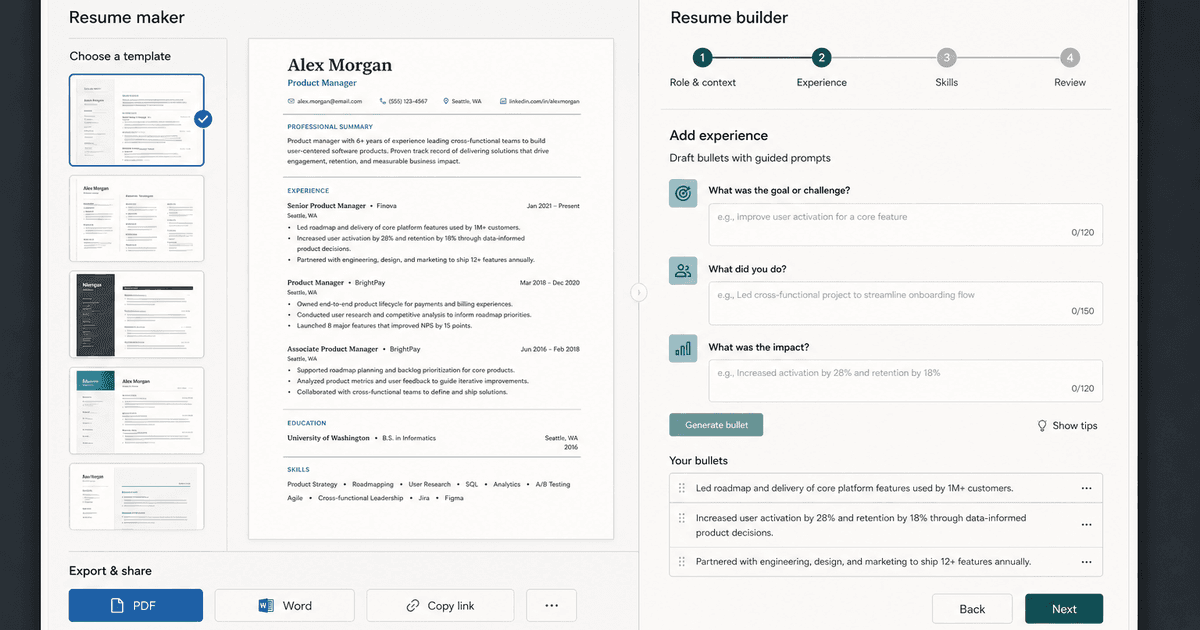
careerBy Pika Resume Team | Aug 3, 2026
Resume Maker vs Resume Builder: Which Should Job Seekers Use?
By Pika Resume Team | Aug 3, 2026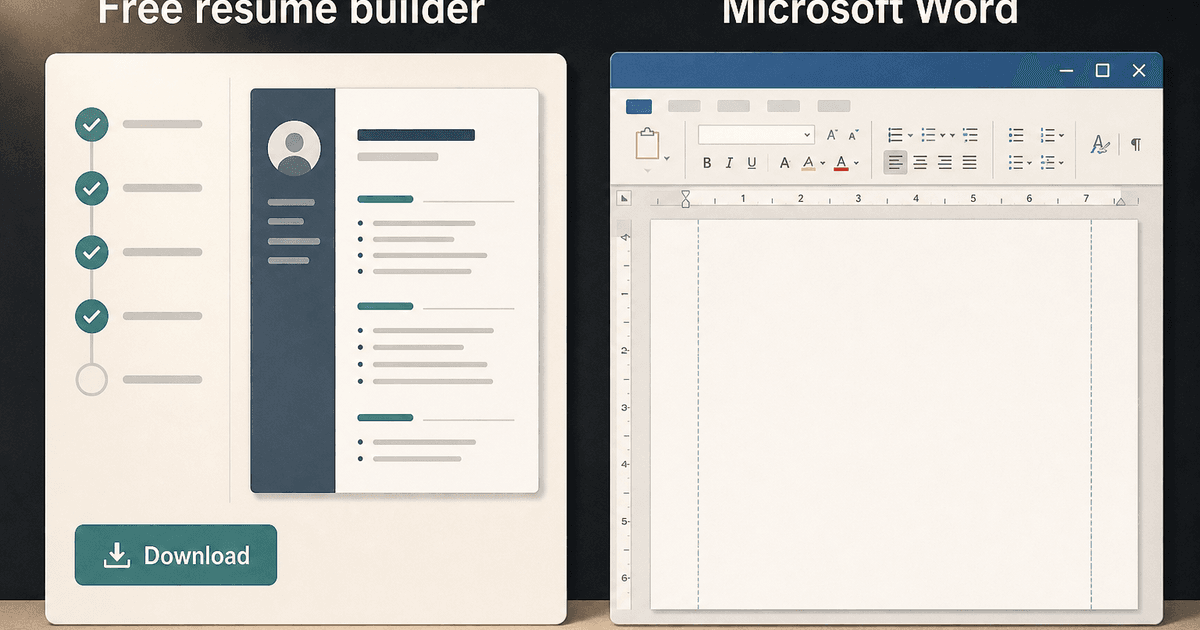
careerBy Pika Resume Team | Aug 2, 2026
Free Resume Builder and Download vs Microsoft Word
By Pika Resume Team | Aug 2, 2026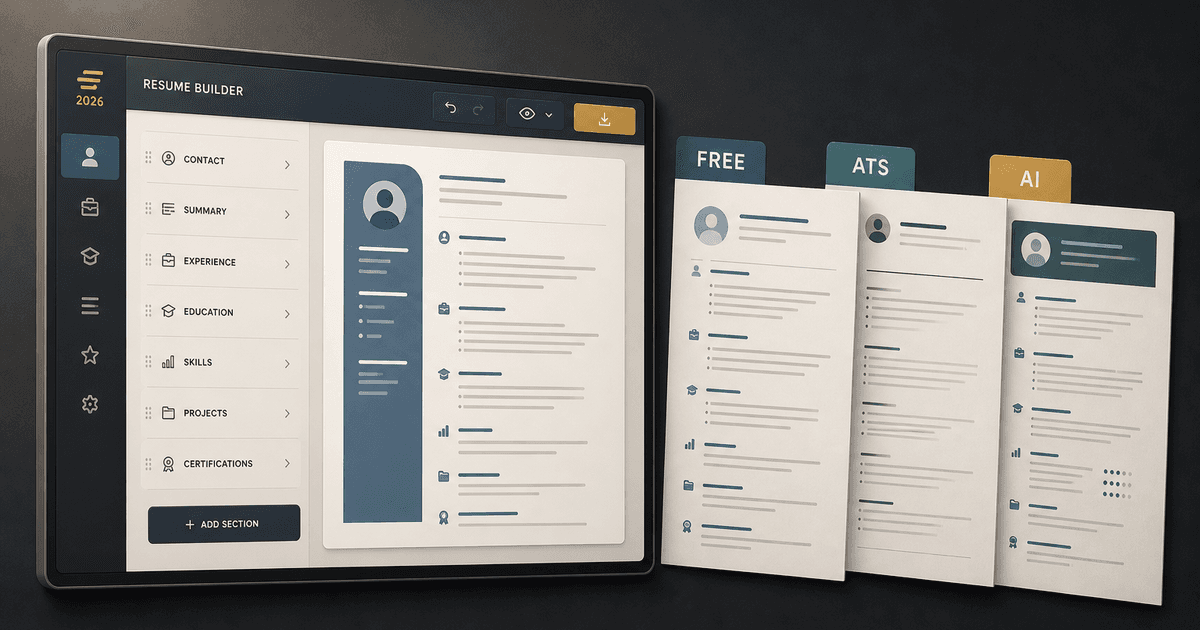
careerBy Pika Resume Team | Jul 30, 2026
What Is the Best Resume Builder Website for 2026?
By Pika Resume Team | Jul 30, 2026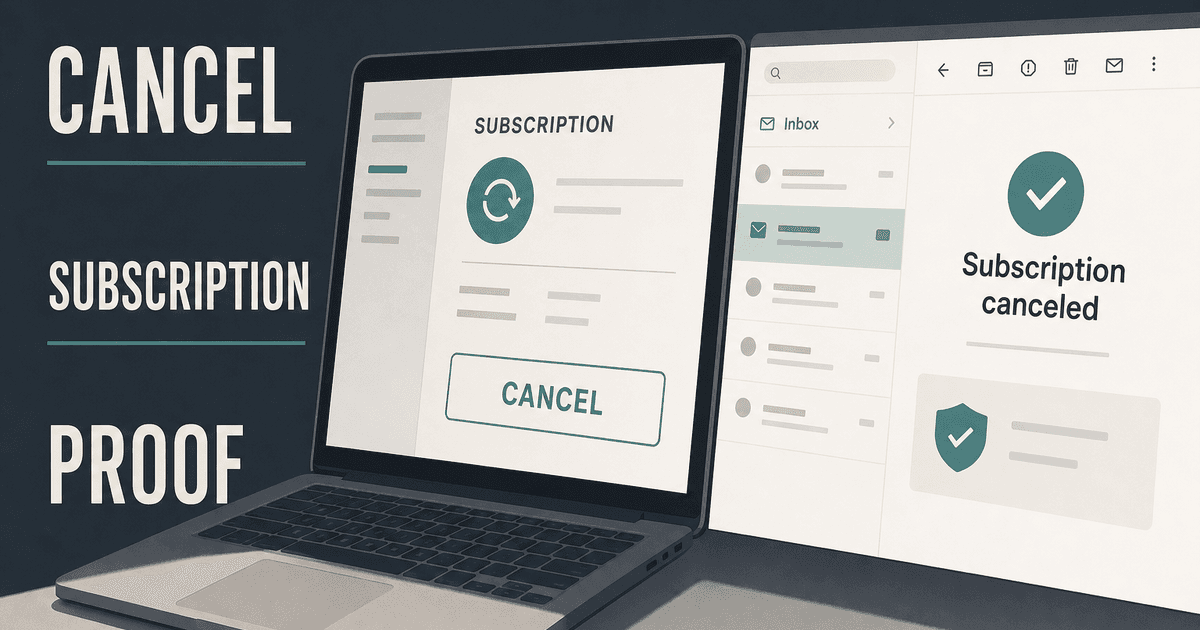
careerBy Pika Resume Team | Jul 27, 2026
How to Cancel Resume Builder Subscription Without Surprises
By Pika Resume Team | Jul 27, 2026
careerBy Pika Resume Team | Jul 26, 2026
How Much Is Resume Builder? Free vs Paid Explained
By Pika Resume Team | Jul 26, 2026
careerBy Pika Resume Team | Jul 20, 2026
Resume Builder App: What the Best One Lets You Do
By Pika Resume Team | Jul 20, 2026
careerBy Pika Resume Team | Jul 19, 2026
Free Resume Builder and Download: Compare the Best Options
By Pika Resume Team | Jul 19, 2026
careerBy Pika Resume Team | Jul 16, 2026
Free AI Resume Builder: What It Does Well and Fails At
By Pika Resume Team | Jul 16, 2026
careerBy Pika Resume Team | Jul 13, 2026
Resume format for ATS: a simple guide that works
By Pika Resume Team | Jul 13, 2026
careerBy Pika Resume Team | Jul 12, 2026
Canva Resume Builder vs ATS Reality Check
By Pika Resume Team | Jul 12, 2026
careerBy Pika Resume Team | Jul 9, 2026
Free resume builder: what makes one worth using
By Pika Resume Team | Jul 9, 2026
careerBy Pika Resume Team | Jul 6, 2026
Resume Builder: What It Actually Does for Job Seekers
By Pika Resume Team | Jul 6, 2026
resume tipsBy Pika Resume Team | Jun 20, 2026
The Resume Sections Most People Get Wrong (and How to Fix Each One)
By Pika Resume Team | Jun 20, 2026resume tipsBy Pika Resume Team | Jun 18, 2026
How to Edit a PDF Resume Without Wrecking the Formatting
By Pika Resume Team | Jun 18, 2026resume reviewBy Pika Resume Team | Jun 16, 2026
AI Resume Feedback vs a Human Expert Review: When Each Is Worth It
By Pika Resume Team | Jun 16, 2026atsBy Pika Resume Team | Jun 14, 2026
What an ATS Actually Does to Your Resume (and the 8 Things It Scores)
By Pika Resume Team | Jun 14, 2026resume tipsBy Pika Resume Team | Jun 12, 2026
How to Tailor Your Resume to a Job Description in 2026 (the 3-Pass Method)
By Pika Resume Team | Jun 12, 2026resumeBy Gargi Chaudhari | May 30, 2026
Resume vs Biodata vs CV: Which One Do You Actually Need?
By Gargi Chaudhari | May 30, 2026resume By Astha Narang | May 28, 2026
10 Software Engineer Resume Examples That Got Interviews (2026)
By Astha Narang | May 28, 2026resumeBy Gargi Chaudhari | May 26, 2026
How to Convert a LinkedIn Profile to a Resume or CV
By Gargi Chaudhari | May 26, 2026resumeBy Astha Narang | May 23, 2026
Best Resume Format for Indian IT Services Companies (TCS, Infosys, Wipro, Accenture)
By Astha Narang | May 23, 2026resumeBy Gargi Chaudhari | May 21, 2026
The Complete Guide to ATS Resume Screening in India (2026)
By Gargi Chaudhari | May 21, 2026resumeBy Astha Narang | May 19, 2026
Hobbies and Interests for Resume: Should You Include Them?
By Astha Narang | May 19, 2026resumeBy Gargi Chaudhari | May 14, 2026
How to Write a Resume Headline That Gets Recruiter Calls on Naukri
By Gargi Chaudhari | May 14, 2026interviewBy Astha Narang | May 8, 2026
Decoding Interviewer Psychology: What They Don't Tell You for Your Next Job
By Astha Narang | May 8, 2026resumeBy Gargi Chaudhari | May 7, 2026
Career Objective for Resume: 50+ Fresher Examples (2026)
By Gargi Chaudhari | May 7, 2026resumeBy Astha Narang | May 6, 2026
7 Dangerous ATS Myths Debunked: What Actually Gets You Hired in 2026
By Astha Narang | May 6, 2026resumeBy Astha Narang | May 4, 2026
Master Your Resume: The Ultimate Guide to Listing Computer Skills
By Astha Narang | May 4, 2026resumeBy Astha Narang | Apr 29, 2026
4 Sales Resume Examples for SDR, Account Executive & Manager (2026)
By Astha Narang | Apr 29, 2026resumeBy Astha Narang | Apr 29, 2026
4 Data Analyst Resume Examples for 2026 (Entry-Level to Senior)
By Astha Narang | Apr 29, 2026resumeBy Astha Narang | Apr 24, 2026
Resume Tips for 2026: The Ultimate Guide to Landing Interviews
By Astha Narang | Apr 24, 2026resumeBy Astha Narang | Apr 22, 2026
Bad Resume vs. Good Resume: A Side-by-Side Comparison for Job Seekers
By Astha Narang | Apr 22, 2026resumeBy Astha Narang | Apr 20, 2026
How to Add LinkedIn to Your Resume the Right Way in 2026
By Astha Narang | Apr 20, 2026resumeBy Astha Narang | Apr 17, 2026
7 Common Resume Mistakes to Avoid in 2026 (and How to Fix Them)
By Astha Narang | Apr 17, 2026resumeBy Pika Resume Team | Apr 15, 2026
Master Your LinkedIn-to-Resume Link: A 2026 Guide for Top Candidates
By Pika Resume Team | Apr 15, 2026resumeBy Astha Narang | Apr 13, 2026
How to Write a Winning Resume Summary That Grabs Recruiter Attention
By Astha Narang | Apr 13, 2026careerBy Astha Narang | Apr 11, 2026
Owning Your Career Break: How to Frame a Gap Year on Your Resume in 2026
By Astha Narang | Apr 11, 2026resumeBy Astha Narang | Apr 8, 2026
The Complete 2026 Resume Guide: Crafting a Job-Winning Document
By Astha Narang | Apr 8, 2026resumeBy Astha Narang | Apr 4, 2026
Beat the ATS: Optimize Your Resume for Applicant Tracking Systems in 2026
By Astha Narang | Apr 4, 2026resumeBy Astha Narang | Mar 30, 2026
Expert Resume Review: Is It Worth the Investment for Your Career?
By Astha Narang | Mar 30, 2026resumeBy Astha Narang | Mar 25, 2026
Master the 30-Second Resume Scan: Expert & Recruiter Insights
By Astha Narang | Mar 25, 2026resumeBy Astha Narang | Mar 24, 2026
How to Explain Employment Gaps on Your Resume & Ace Interviews
By Astha Narang | Mar 24, 2026resumeBy Astha Narang | Mar 20, 2026
Master Resume Keywords: Your Guide to ATS Success
By Astha Narang | Mar 20, 2026careerBy Astha Narang | Mar 18, 2026
How to Stand Out in Interviews While Still Being Authentic
By Astha Narang | Mar 18, 2026careerBy Astha Narang | Mar 14, 2026
Why Sending the Same Resume to Every Job is Costing You Interviews
By Astha Narang | Mar 14, 2026resumeBy Astha Narang | Mar 12, 2026
The Dynamic Duo: Why AI + Human Expertise is the 2026 Career Cheat Code
By Astha Narang | Mar 12, 2026careerBy Astha Narang | Mar 9, 2026
Get Your Resume Roasted Using PIKA AI
By Astha Narang | Mar 9, 2026jobBy Astha Narang | Mar 7, 2026
How to Show a Promotion on Your Resume? (And Why Most People Get It Wrong)
By Astha Narang | Mar 7, 2026careerBy Astha Narang | Mar 6, 2026
Should You Put Your Address on Your Resume in 2026?
By Astha Narang | Mar 6, 2026careerBy Astha Narang | Mar 3, 2026
Is It Illegal to Lie on a Resume? What Actually Happens in 2026
By Astha Narang | Mar 3, 2026jobBy Pika Resume Team | Feb 5, 2026
How to Optimize Your Resume for Remote Job Applications
By Pika Resume Team | Feb 5, 2026interviewBy Pika Resume Team | Feb 1, 2026
How to Write an ATS-Friendly Resume in 2026
By Pika Resume Team | Feb 1, 2026cover-letterBy Pika Resume Team | Jan 25, 2026
Top 7 Cover Letter Mistakes That Cost You the Interview
By Pika Resume Team | Jan 25, 2026resumeBy Pika Resume Team | Jan 18, 2026
AI Resume Builders: A Complete Guide for Job Seekers in 2026
By Pika Resume Team | Jan 18, 2026jobBy Pika Resume Team | Jan 10, 2026
Resume Tips for Career Changers: Making a Smooth Transition
By Pika Resume Team | Jan 10, 2026careerBy Pika Resume Team | Jan 3, 2026
The Power of Keywords in Your Resume: An SEO Approach to Job Applications
By Pika Resume Team | Jan 3, 2026