
Top 7 Cover Letter Mistakes That Cost You the Interview
Avoid these common cover letter pitfalls and learn how to write a compelling narrative that gets you noticed by recruiters.
 Published by Pika Resume Team|January 25, 2026|6 min read
Your resume is your first impression — and in a competitive job market, it might be your only chance to make one. Recruiters spend an average of 6-7 seconds scanning a resume before deciding whether to move forward or move on.
That means every word, every formatting choice, and every section of your resume needs to earn its place. Let's look at the ten most damaging resume mistakes and how to fix them.
1. Writing a Generic Resume for Every Job
The most common and most costly mistake. A one-size-fits-all resume signals to recruiters that you haven't taken the time to understand the role.
The Fix:
- Customize your professional summary for each application
- Mirror key phrases from the job description
- Prioritize relevant experience and skills for the specific role
- Adjust your bullet points to highlight applicable achievements
"A tailored resume doesn't mean rewriting from scratch — it means strategically emphasizing the most relevant parts of your experience."
2. Focusing on Responsibilities Instead of Achievements
Listing what you were responsible for tells the recruiter nothing about your impact. They want to know what you accomplished.
Bad example:
- Responsible for managing social media accounts
Good example:
- Grew Instagram following from 5K to 50K in 8 months, increasing website traffic by 140%
The STAR Method for Bullet Points
Use this framework for every accomplishment:
- Situation: What was the context?
- Task: What were you charged with?
- Action: What did you specifically do?
- Result: What was the measurable outcome?
3. Including an Objective Statement
Objective statements are outdated. They focus on what you want rather than what you bring to the company.
Replace it with a Professional Summary:
A 2-3 sentence summary that highlights your experience level, key skills, and what you bring to the table:
"Results-driven marketing manager with 6+ years of experience in B2B SaaS. Proven track record of building content strategies that drive 3x organic traffic growth. Passionate about data-driven marketing and brand storytelling."
4. Poor Formatting and Visual Clutter
If your resume is hard to read, it won't be read. Common formatting sins include:
- Wall-of-text paragraphs instead of bullet points
- Inconsistent fonts and spacing
- Too many colors or design elements
- Cramming everything onto one page with tiny margins
The Fix:
- Use 10-12pt font size for body text
- Maintain consistent margins (0.5" to 1" all around)
- Use bullet points, not paragraphs, for experience
- Limit yourself to 1-2 complementary fonts
- Leave enough white space for readability
5. Listing Outdated or Irrelevant Experience
That summer lifeguard job from 2010? Your high school GPA? These take up valuable space and signal a lack of awareness about what matters.
What to Cut
- Jobs from more than 10-15 years ago (unless highly relevant)
- High school education (if you have a college degree)
- Irrelevant hobbies and interests
- Outdated technologies or skills
- References or "References available upon request"
What to Keep
Focus on the last 10 years of relevant experience. If older experience is truly relevant, summarize it in a single line under "Earlier Career."
6. Typos and Grammatical Errors
It sounds basic, but 59% of recruiters say they would reject a candidate based on typos alone. Spelling errors signal carelessness.
Prevention checklist:
- Run spell-check (but don't rely solely on it)
- Read your resume out loud
- Have a friend review it
- Use Grammarly or a similar tool
- Print it out — errors are easier to spot on paper
Common mistakes to watch for:
- "Manger" instead of "Manager"
- "Lead" vs. "Led" (tense consistency)
- Inconsistent capitalization
- Missing periods at the end of bullet points (or inconsistent punctuation)
7. Making Your Resume Too Long (or Too Short)
One page for early-career professionals (0-5 years of experience).
Two pages for mid-to-senior level professionals (5+ years).
Three pages only for executives, academics, or highly specialized roles.
Anything longer screams "I don't know how to prioritize."
If you're struggling to fit everything on the right number of pages, it's a sign you need to be more selective about what you include.
8. Using a Boring or Non-Descriptive Job Title Section
Your work experience titles should be immediately scannable. Recruiters look at:
- Company name — is it recognizable?
- Job title — does it match what they're hiring for?
- Dates — how long were you there?
- Impact — did you achieve anything notable?
Format each entry consistently:
Senior Product Designer | Spotify | March 2022 – Present
Don't bury the title in a paragraph or use vague descriptions like "Did various things at a startup."
9. Ignoring the Skills Section
Many candidates either skip the skills section entirely or fill it with vague terms like "team player" and "hard worker."
Build a Strong Skills Section
Technical Skills:
- List tools, technologies, languages, and certifications
- Be specific: "Advanced Excel (VLOOKUP, Pivot Tables, Macros)" not just "Microsoft Office"
Industry Skills:
- Include domain-specific knowledge
- Mention methodologies (Agile, Six Sigma, Design Thinking)
Languages:
- Include spoken languages with proficiency levels
10. Not Including a Call to Action
Your resume should make it easy for the recruiter to take the next step. This doesn't mean a literal "call me!" — it means:
- Clear contact information at the top (email, phone, LinkedIn)
- A LinkedIn profile that's complete and matches your resume
- Portfolio or website link if applicable
- Professional email address (not coolboi2000@gmail.com)
The Resume Review Checklist
Before you send out your next application, run through this quick checklist:
- Is it tailored to this specific job?
- Does every bullet point show impact, not just responsibility?
- Is the formatting clean and consistent?
- Have you included relevant keywords from the job posting?
- Is it free of typos and grammatical errors?
- Is it the right length for your experience level?
- Is your contact information complete and professional?
- Would a recruiter understand your value in 6 seconds?
Wrapping Up
The difference between a resume that gets interviews and one that gets ignored often comes down to these fixable mistakes. Take the time to review and refine your resume — it's the highest-ROI career activity you can do.
Want an expert eye on your resume? Pika Resume's AI Roast feature gives you instant, brutally honest feedback on what's working and what needs fixing.


Create your Resume
Your resume is an extension of you. Make it truly yours.
Related Articles
interviewBy Astha Narang | May 8, 2026
Decoding Interviewer Psychology: What They Don't Tell You for Your Next Job
By Astha Narang | May 8, 2026resumeBy Astha Narang | May 6, 2026
7 Dangerous ATS Myths Debunked: What Actually Gets You Hired in 2026
By Astha Narang | May 6, 2026resume By Astha Narang | May 4, 2026
Master Your Resume: The Ultimate Guide to Listing Computer Skills
By Astha Narang | May 4, 2026Related guides & tools
Free AI Resume BuilderBuild a tailored, ATS-friendly resume from scratchFree Resume TemplatesChoose a professional layout for your roleATS Resume CheckerCheck your score, parsing and issues before you applyOnline CV MakerCreate a CV with guided sections and templatesOnline Resume EditorEdit an existing PDF without rebuilding its layoutHobbies for ResumeSkills for ResumeLinkedIn to ResumeResume Examples
Continue Reading
Check more recommended readings to get the job of your dreams.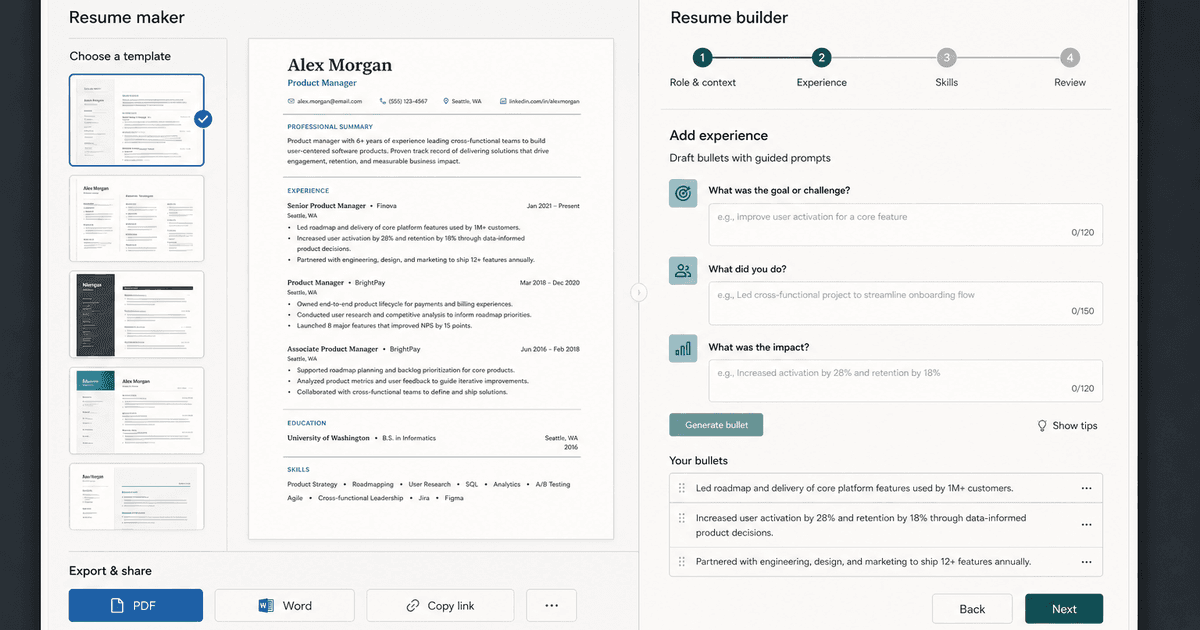
careerBy Pika Resume Team | Aug 3, 2026
Resume Maker vs Resume Builder: Which Should Job Seekers Use?
By Pika Resume Team | Aug 3, 2026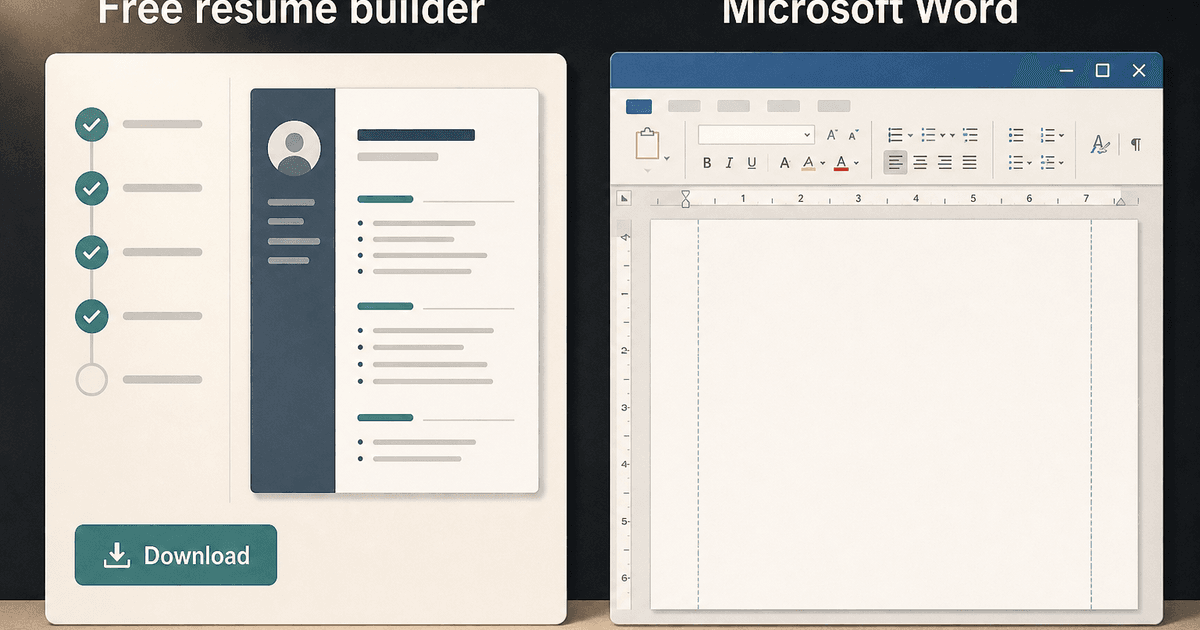
careerBy Pika Resume Team | Aug 2, 2026
Free Resume Builder and Download vs Microsoft Word
By Pika Resume Team | Aug 2, 2026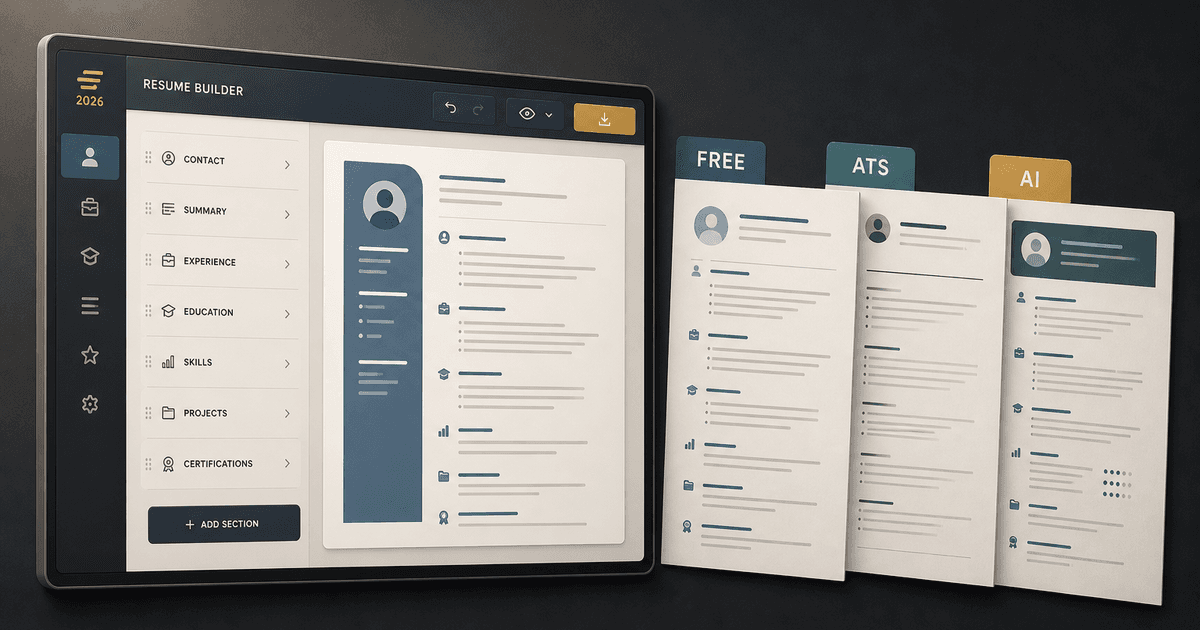
careerBy Pika Resume Team | Jul 30, 2026
What Is the Best Resume Builder Website for 2026?
By Pika Resume Team | Jul 30, 2026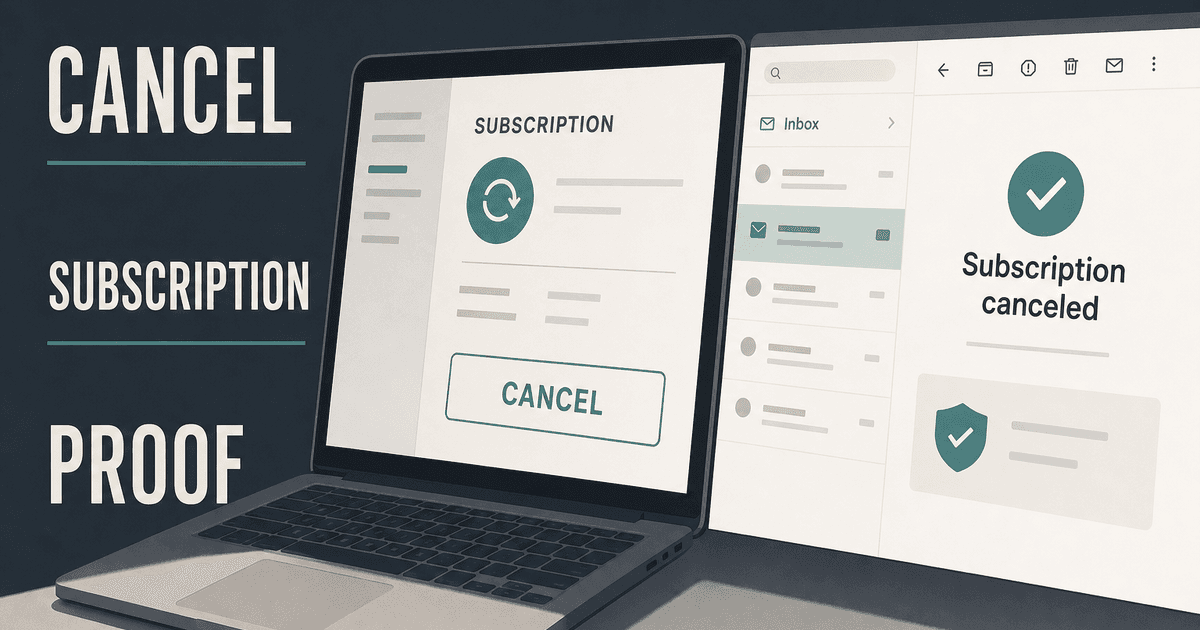
careerBy Pika Resume Team | Jul 27, 2026
How to Cancel Resume Builder Subscription Without Surprises
By Pika Resume Team | Jul 27, 2026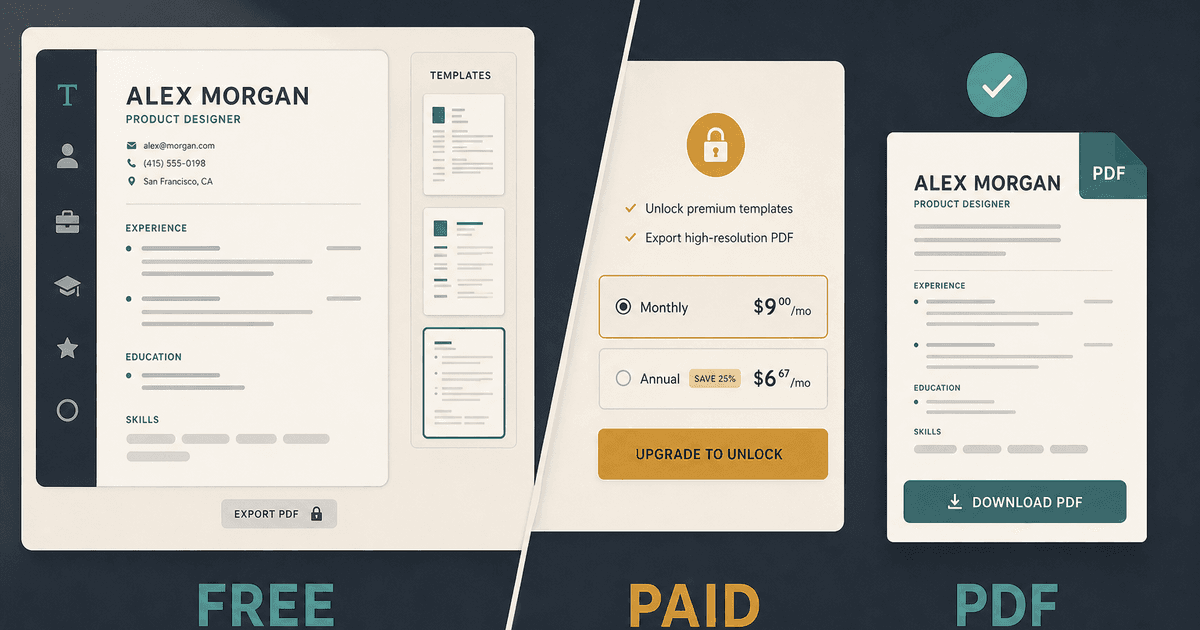
careerBy Pika Resume Team | Jul 26, 2026
How Much Is Resume Builder? Free vs Paid Explained
By Pika Resume Team | Jul 26, 2026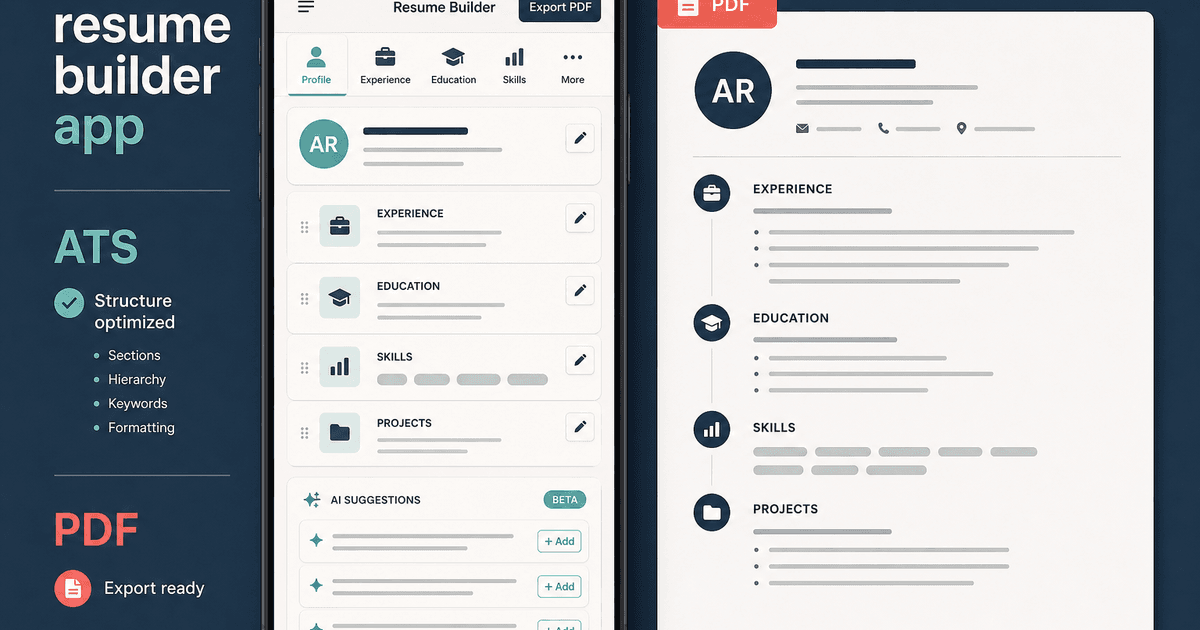
careerBy Pika Resume Team | Jul 20, 2026
Resume Builder App: What the Best One Lets You Do
By Pika Resume Team | Jul 20, 2026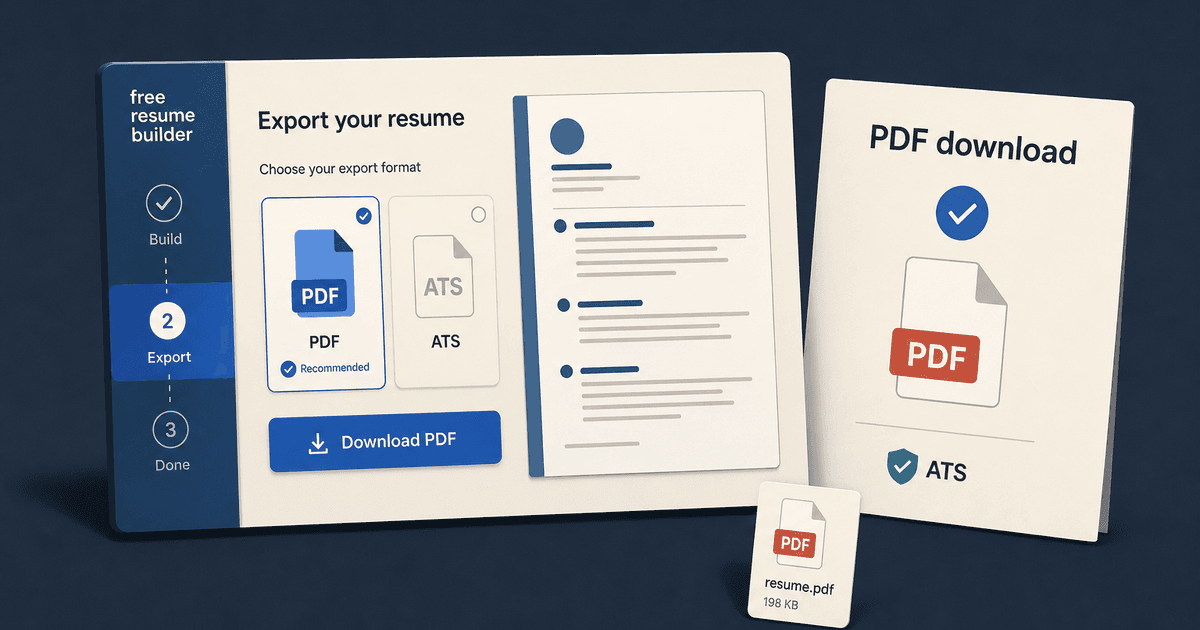
careerBy Pika Resume Team | Jul 19, 2026
Free Resume Builder and Download: Compare the Best Options
By Pika Resume Team | Jul 19, 2026
careerBy Pika Resume Team | Jul 16, 2026
Free AI Resume Builder: What It Does Well and Fails At
By Pika Resume Team | Jul 16, 2026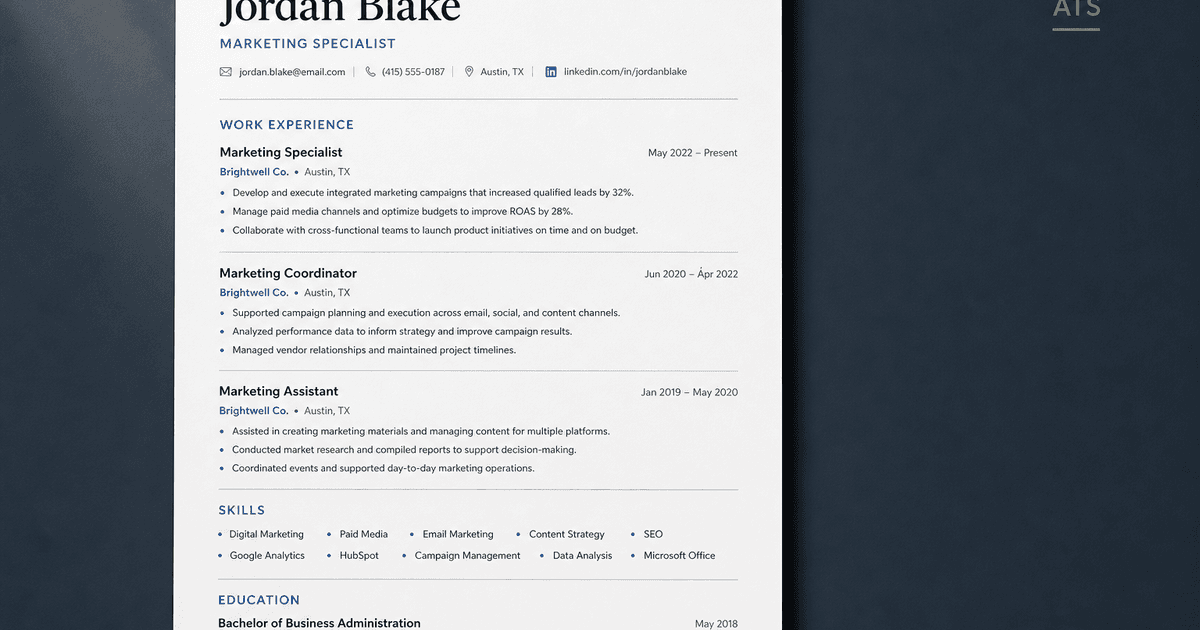
careerBy Pika Resume Team | Jul 13, 2026
Resume format for ATS: a simple guide that works
By Pika Resume Team | Jul 13, 2026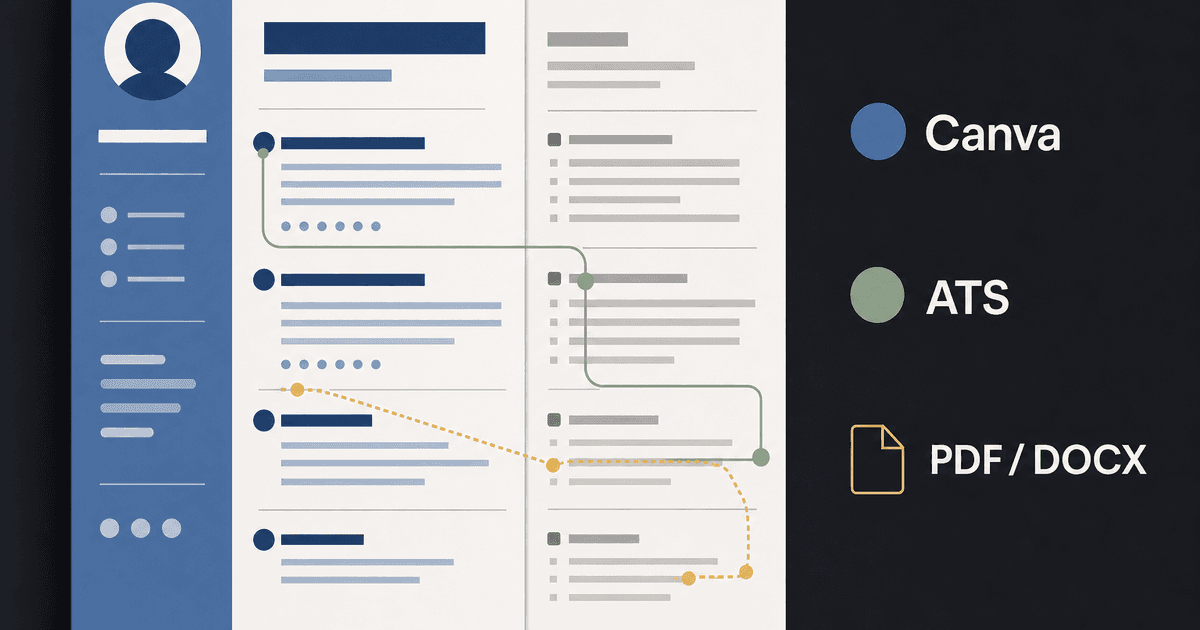
careerBy Pika Resume Team | Jul 12, 2026
Canva Resume Builder vs ATS Reality Check
By Pika Resume Team | Jul 12, 2026
careerBy Pika Resume Team | Jul 9, 2026
Free resume builder: what makes one worth using
By Pika Resume Team | Jul 9, 2026
careerBy Pika Resume Team | Jul 6, 2026
Resume Builder: What It Actually Does for Job Seekers
By Pika Resume Team | Jul 6, 2026resume tipsBy Pika Resume Team | Jun 20, 2026
The Resume Sections Most People Get Wrong (and How to Fix Each One)
By Pika Resume Team | Jun 20, 2026resume tipsBy Pika Resume Team | Jun 18, 2026
How to Edit a PDF Resume Without Wrecking the Formatting
By Pika Resume Team | Jun 18, 2026resume reviewBy Pika Resume Team | Jun 16, 2026
AI Resume Feedback vs a Human Expert Review: When Each Is Worth It
By Pika Resume Team | Jun 16, 2026atsBy Pika Resume Team | Jun 14, 2026
What an ATS Actually Does to Your Resume (and the 8 Things It Scores)
By Pika Resume Team | Jun 14, 2026resume tipsBy Pika Resume Team | Jun 12, 2026
How to Tailor Your Resume to a Job Description in 2026 (the 3-Pass Method)
By Pika Resume Team | Jun 12, 2026resumeBy Gargi Chaudhari | May 30, 2026
Resume vs Biodata vs CV: Which One Do You Actually Need?
By Gargi Chaudhari | May 30, 2026resumeBy Astha Narang | May 28, 2026
10 Software Engineer Resume Examples That Got Interviews (2026)
By Astha Narang | May 28, 2026resumeBy Gargi Chaudhari | May 26, 2026
How to Convert a LinkedIn Profile to a Resume or CV
By Gargi Chaudhari | May 26, 2026resumeBy Astha Narang | May 23, 2026
Best Resume Format for Indian IT Services Companies (TCS, Infosys, Wipro, Accenture)
By Astha Narang | May 23, 2026resumeBy Gargi Chaudhari | May 21, 2026
The Complete Guide to ATS Resume Screening in India (2026)
By Gargi Chaudhari | May 21, 2026resumeBy Astha Narang | May 19, 2026
Hobbies and Interests for Resume: Should You Include Them?
By Astha Narang | May 19, 2026resumeBy Gargi Chaudhari | May 14, 2026
How to Write a Resume Headline That Gets Recruiter Calls on Naukri
By Gargi Chaudhari | May 14, 2026interviewBy Astha Narang | May 8, 2026
Decoding Interviewer Psychology: What They Don't Tell You for Your Next Job
By Astha Narang | May 8, 2026resumeBy Gargi Chaudhari | May 7, 2026
Career Objective for Resume: 50+ Fresher Examples (2026)
By Gargi Chaudhari | May 7, 2026resumeBy Astha Narang | May 6, 2026
7 Dangerous ATS Myths Debunked: What Actually Gets You Hired in 2026
By Astha Narang | May 6, 2026resumeBy Astha Narang | May 4, 2026
Master Your Resume: The Ultimate Guide to Listing Computer Skills
By Astha Narang | May 4, 2026resumeBy Astha Narang | Apr 29, 2026
4 Sales Resume Examples for SDR, Account Executive & Manager (2026)
By Astha Narang | Apr 29, 2026resumeBy Astha Narang | Apr 29, 2026
4 Data Analyst Resume Examples for 2026 (Entry-Level to Senior)
By Astha Narang | Apr 29, 2026resumeBy Astha Narang | Apr 24, 2026
Resume Tips for 2026: The Ultimate Guide to Landing Interviews
By Astha Narang | Apr 24, 2026resumeBy Astha Narang | Apr 22, 2026
Bad Resume vs. Good Resume: A Side-by-Side Comparison for Job Seekers
By Astha Narang | Apr 22, 2026resumeBy Astha Narang | Apr 20, 2026
How to Add LinkedIn to Your Resume the Right Way in 2026
By Astha Narang | Apr 20, 2026resumeBy Astha Narang | Apr 17, 2026
7 Common Resume Mistakes to Avoid in 2026 (and How to Fix Them)
By Astha Narang | Apr 17, 2026resumeBy Pika Resume Team | Apr 15, 2026
Master Your LinkedIn-to-Resume Link: A 2026 Guide for Top Candidates
By Pika Resume Team | Apr 15, 2026resumeBy Astha Narang | Apr 13, 2026
How to Write a Winning Resume Summary That Grabs Recruiter Attention
By Astha Narang | Apr 13, 2026careerBy Astha Narang | Apr 11, 2026
Owning Your Career Break: How to Frame a Gap Year on Your Resume in 2026
By Astha Narang | Apr 11, 2026resumeBy Astha Narang | Apr 8, 2026
The Complete 2026 Resume Guide: Crafting a Job-Winning Document
By Astha Narang | Apr 8, 2026resumeBy Astha Narang | Apr 4, 2026
Beat the ATS: Optimize Your Resume for Applicant Tracking Systems in 2026
By Astha Narang | Apr 4, 2026resumeBy Astha Narang | Mar 30, 2026
Expert Resume Review: Is It Worth the Investment for Your Career?
By Astha Narang | Mar 30, 2026resumeBy Astha Narang | Mar 25, 2026
Master the 30-Second Resume Scan: Expert & Recruiter Insights
By Astha Narang | Mar 25, 2026resumeBy Astha Narang | Mar 24, 2026
How to Explain Employment Gaps on Your Resume & Ace Interviews
By Astha Narang | Mar 24, 2026resumeBy Astha Narang | Mar 20, 2026
Master Resume Keywords: Your Guide to ATS Success
By Astha Narang | Mar 20, 2026careerBy Astha Narang | Mar 18, 2026
How to Stand Out in Interviews While Still Being Authentic
By Astha Narang | Mar 18, 2026careerBy Astha Narang | Mar 14, 2026
Why Sending the Same Resume to Every Job is Costing You Interviews
By Astha Narang | Mar 14, 2026resumeBy Astha Narang | Mar 12, 2026
The Dynamic Duo: Why AI + Human Expertise is the 2026 Career Cheat Code
By Astha Narang | Mar 12, 2026careerBy Astha Narang | Mar 9, 2026
Get Your Resume Roasted Using PIKA AI
By Astha Narang | Mar 9, 2026jobBy Astha Narang | Mar 7, 2026
How to Show a Promotion on Your Resume? (And Why Most People Get It Wrong)
By Astha Narang | Mar 7, 2026careerBy Astha Narang | Mar 6, 2026
Should You Put Your Address on Your Resume in 2026?
By Astha Narang | Mar 6, 2026careerBy Astha Narang | Mar 3, 2026
Is It Illegal to Lie on a Resume? What Actually Happens in 2026
By Astha Narang | Mar 3, 2026jobBy Pika Resume Team | Feb 5, 2026
How to Optimize Your Resume for Remote Job Applications
By Pika Resume Team | Feb 5, 2026interviewBy Pika Resume Team | Feb 1, 2026
How to Write an ATS-Friendly Resume in 2026
By Pika Resume Team | Feb 1, 2026cover-letterBy Pika Resume Team | Jan 25, 2026
Top 7 Cover Letter Mistakes That Cost You the Interview
By Pika Resume Team | Jan 25, 2026resumeBy Pika Resume Team | Jan 18, 2026
AI Resume Builders: A Complete Guide for Job Seekers in 2026
By Pika Resume Team | Jan 18, 2026jobBy Pika Resume Team | Jan 10, 2026
Resume Tips for Career Changers: Making a Smooth Transition
By Pika Resume Team | Jan 10, 2026careerBy Pika Resume Team | Jan 3, 2026
The Power of Keywords in Your Resume: An SEO Approach to Job Applications
By Pika Resume Team | Jan 3, 2026