
AI Resume Builders: A Complete Guide for Job Seekers in 2026
Everything you need to know about AI-powered resume builders — how they work, what to look for, and how to use them effectively without losing your personal voice.
 Published by Pika Resume Team|January 18, 2026|6 min read
The job application process is being transformed by artificial intelligence. AI resume builders have evolved from simple template fillers to sophisticated tools that can analyze job descriptions, suggest improvements, and even generate tailored content. But are they worth it? And how do you use them effectively?
Let's dive deep into the world of AI-powered resume building.
What Exactly Is an AI Resume Builder?
An AI resume builder is a tool that uses machine learning and natural language processing (NLP) to help you create, optimize, and tailor your resume. Unlike traditional template-based builders, AI-powered tools can:
- Analyze job descriptions to identify key requirements
- Suggest content improvements based on industry best practices
- Optimize keyword placement for ATS compatibility
- Generate professional bullet points from raw input
- Score your resume against specific job postings
Think of it as having a career coach and copywriter available 24/7.
How AI Resume Builders Work
Step 1: Data Input
You provide your information — either by typing it in, uploading an existing resume, or importing from LinkedIn. The best tools make this process seamless.
Step 2: AI Analysis
The AI engine processes your data through several layers:
- Content analysis: What skills and experiences do you have?
- Industry matching: How does your profile align with industry standards?
- Language optimization: Are your descriptions impactful and clear?
- Gap detection: What's missing that employers expect?
Step 3: Generation & Suggestions
Based on its analysis, the AI provides:
- Rewritten bullet points with stronger action verbs
- Keyword suggestions based on target roles
- Section ordering recommendations
- Formatting improvements
Step 4: Refinement
The best tools let you iterate — accepting, rejecting, or modifying AI suggestions to maintain your authentic voice.
Benefits of Using an AI Resume Builder
1. Time Savings
What takes hours manually can take minutes with AI. A study by LinkedIn found that job seekers spend an average of 11 hours per week on their search. AI tools can dramatically reduce the time spent on resume optimization.
2. ATS Optimization
AI builders understand how ATS systems parse resumes. They can:
- Identify missing keywords from job descriptions
- Suggest optimal keyword placement
- Flag formatting issues that could cause parsing errors
- Recommend ATS-compatible templates
3. Professional Language
Not everyone is a natural copywriter. AI tools help translate your experience into impactful, professional language:
Your input: "I helped make the company's social media better"
AI suggestion: "Spearheaded social media strategy overhaul, resulting in a 200% increase in engagement and 45% growth in follower base within 6 months"
4. Consistency and Quality
AI ensures:
- Consistent tense usage throughout
- Proper action verb variety (no starting every bullet with "Managed")
- Appropriate level of detail
- Professional tone and formatting
5. Personalization at Scale
Need to apply to 20 different jobs? AI can help you create tailored versions efficiently, adjusting emphasis and keywords for each role without starting from scratch.
What to Look for in an AI Resume Builder
Not all AI resume tools are created equal. Here's what separates the good from the great:
Must-Have Features
| Feature | Why It Matters |
|---|---|
| Job description analysis | Tailors your resume to specific roles |
| ATS scoring | Ensures your resume passes automated screening |
| Multiple templates | Professional designs that work across industries |
| Content suggestions | AI-generated improvements for your bullet points |
| Export options | PDF and DOCX for different application needs |
Nice-to-Have Features
- Real-time feedback as you type
- Industry-specific suggestions based on your field
- Cover letter generation to complement your resume
- LinkedIn optimization for profile consistency
- Resume analytics showing how your resume compares to successful ones
Red Flags to Watch For
- Tools that generate entirely fake content or experiences
- No ability to edit or override AI suggestions
- Poor template designs that aren't ATS-friendly
- Excessive upselling or hidden fees
- No privacy policy or unclear data handling
How to Use AI Resume Builders Effectively
Do: Use AI as a Starting Point
Let AI generate the first draft, then refine it with your personal knowledge and voice. The best resumes combine AI efficiency with human authenticity.
Do: Verify All AI-Generated Content
AI can sometimes hallucinate or exaggerate. Always fact-check:
- Job titles and dates
- Metrics and percentages
- Skills and certifications
- Company names and descriptions
Do: Maintain Your Authentic Voice
Your resume should sound like a polished version of you, not a generic AI output. After using AI suggestions:
- Read everything aloud — does it sound like something you'd say?
- Replace overly formal language with your natural professional tone
- Add specific details that only you would know
Don't: Let AI Replace Your Judgment
AI doesn't know:
- Your career goals and priorities
- The culture of the company you're targeting
- Subtle nuances about your achievements
- What makes you uniquely qualified
Use AI as a tool, not a replacement for critical thinking about your career narrative.
Don't: Use the Same AI Output for Every Application
Even with AI, you should tailor each resume. Use the tool to efficiently customize, but don't just hit "generate" and send the same version everywhere.
The Future of AI in Resume Building
The technology is evolving rapidly. Here's what we're seeing on the horizon:
- Real-time interview preparation based on your resume content
- Dynamic resumes that adapt format based on the viewing platform
- Predictive analytics showing your likelihood of getting an interview
- Video resume integration with AI coaching
- Recruiter-side AI matching that pairs you with opportunities
Making the Most of AI Without Losing the Human Touch
The best resumes in 2026 will be collaborative creations — leveraging AI's ability to optimize, analyze, and suggest while retaining the human elements that make each candidate unique.
Here's a simple workflow:
- Gather your raw experience and achievements
- Generate initial content with AI assistance
- Review and verify every detail
- Personalize with your voice and specific details
- Optimize for the specific job using AI keyword analysis
- Test against ATS and get feedback
- Iterate based on results
Conclusion
AI resume builders are not a shortcut — they're a power tool. Like any tool, their effectiveness depends on the person using them. Used thoughtfully, they can save you time, improve your resume's quality, and significantly increase your chances of landing interviews.
The key is finding the right balance: let AI handle the optimization and heavy lifting, but keep your unique story, achievements, and personality front and center.
Experience the future of resume building. Try Pika Resume — where AI intelligence meets your career story to create resumes that get results.


Create your Resume
Your resume is an extension of you. Make it truly yours.
Related Articles
Related guides & tools
Free AI Resume BuilderBuild a tailored, ATS-friendly resume from scratchFree Resume TemplatesChoose a professional layout for your roleATS Resume CheckerCheck your score, parsing and issues before you applyOnline CV MakerCreate a CV with guided sections and templatesOnline Resume EditorEdit an existing PDF without rebuilding its layoutHobbies for ResumeSkills for ResumeLinkedIn to ResumeResume Examples
Continue Reading
Check more recommended readings to get the job of your dreams.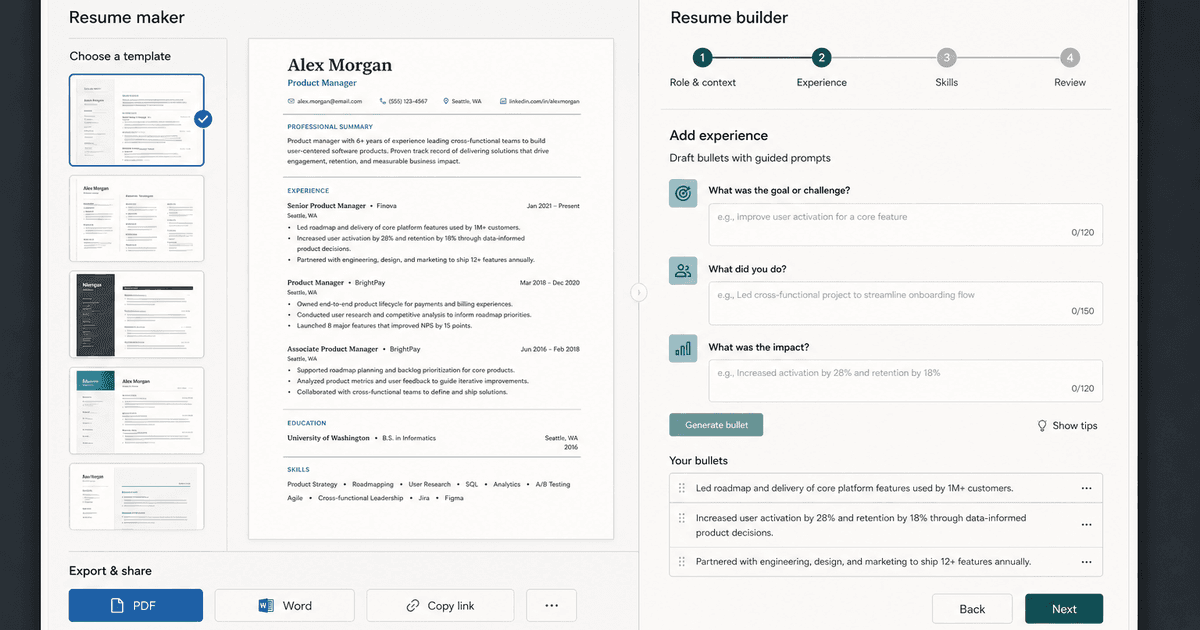
careerBy Pika Resume Team | Aug 3, 2026
Resume Maker vs Resume Builder: Which Should Job Seekers Use?
By Pika Resume Team | Aug 3, 2026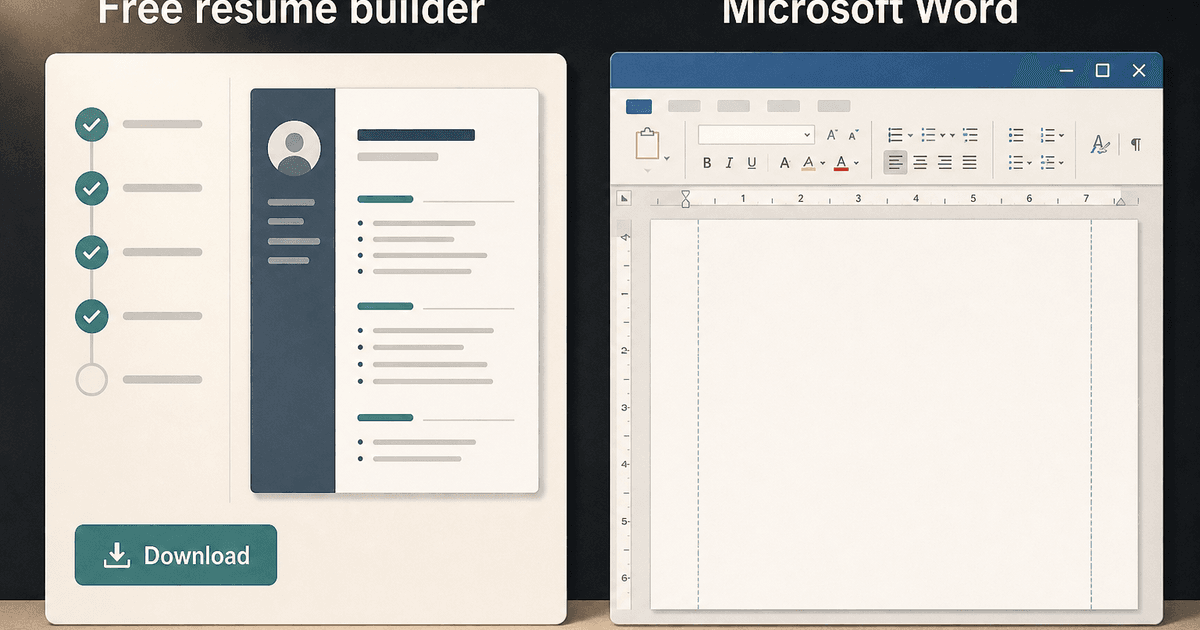
careerBy Pika Resume Team | Aug 2, 2026
Free Resume Builder and Download vs Microsoft Word
By Pika Resume Team | Aug 2, 2026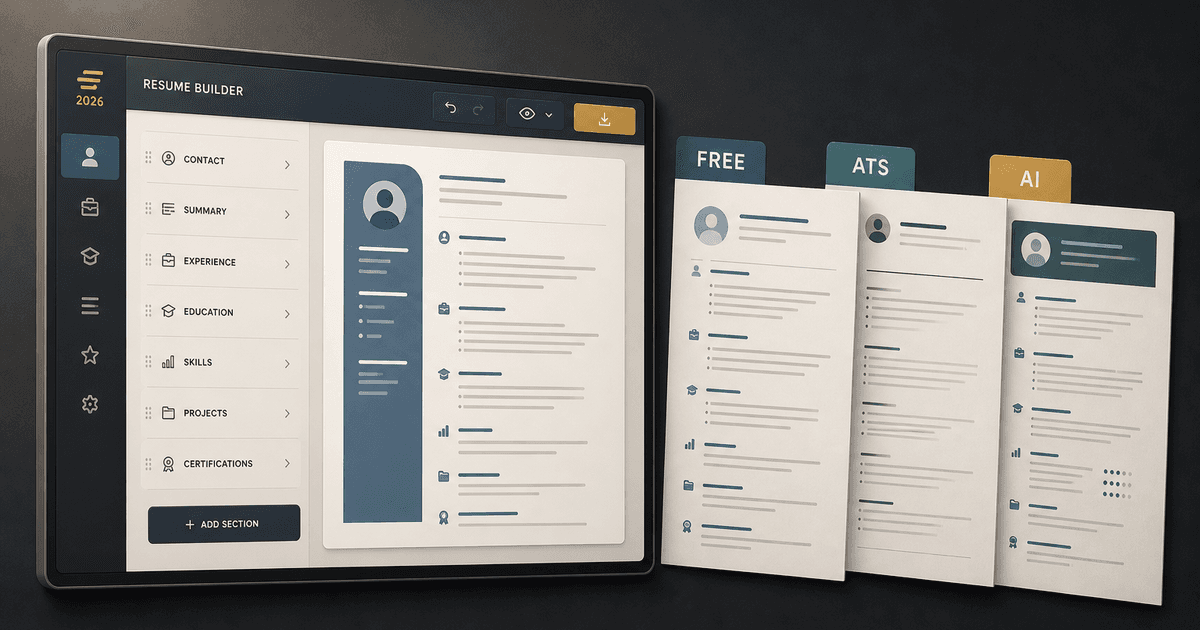
careerBy Pika Resume Team | Jul 30, 2026
What Is the Best Resume Builder Website for 2026?
By Pika Resume Team | Jul 30, 2026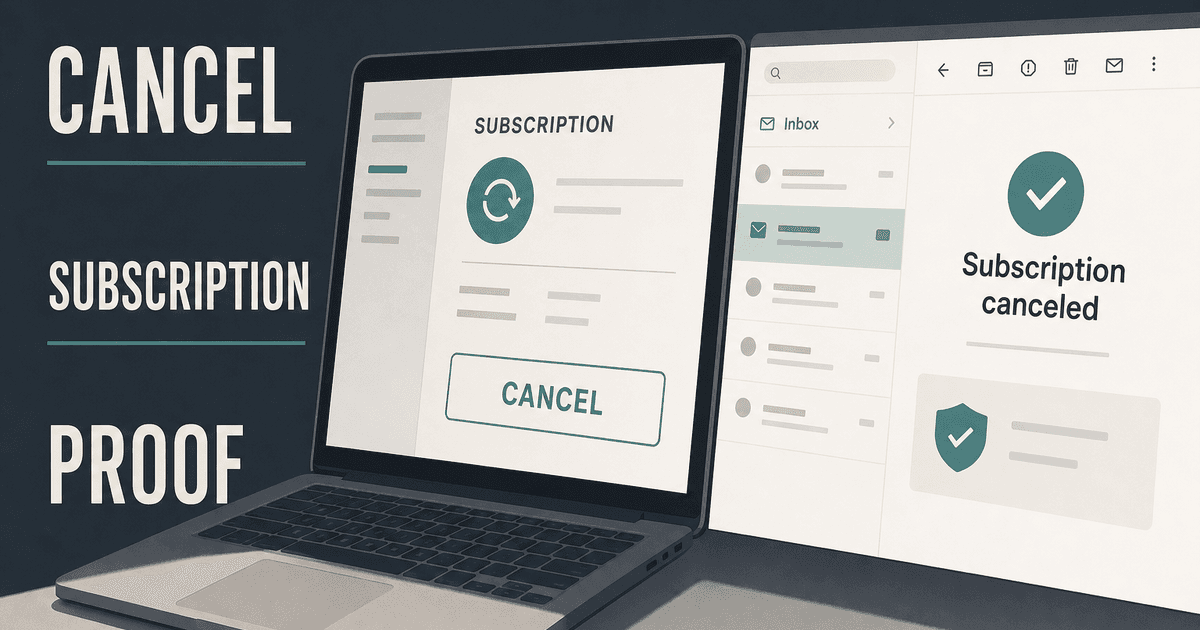
careerBy Pika Resume Team | Jul 27, 2026
How to Cancel Resume Builder Subscription Without Surprises
By Pika Resume Team | Jul 27, 2026
careerBy Pika Resume Team | Jul 26, 2026
How Much Is Resume Builder? Free vs Paid Explained
By Pika Resume Team | Jul 26, 2026
careerBy Pika Resume Team | Jul 20, 2026
Resume Builder App: What the Best One Lets You Do
By Pika Resume Team | Jul 20, 2026
careerBy Pika Resume Team | Jul 19, 2026
Free Resume Builder and Download: Compare the Best Options
By Pika Resume Team | Jul 19, 2026
careerBy Pika Resume Team | Jul 16, 2026
Free AI Resume Builder: What It Does Well and Fails At
By Pika Resume Team | Jul 16, 2026
careerBy Pika Resume Team | Jul 13, 2026
Resume format for ATS: a simple guide that works
By Pika Resume Team | Jul 13, 2026
careerBy Pika Resume Team | Jul 12, 2026
Canva Resume Builder vs ATS Reality Check
By Pika Resume Team | Jul 12, 2026
careerBy Pika Resume Team | Jul 9, 2026
Free resume builder: what makes one worth using
By Pika Resume Team | Jul 9, 2026
careerBy Pika Resume Team | Jul 6, 2026
Resume Builder: What It Actually Does for Job Seekers
By Pika Resume Team | Jul 6, 2026
resume tipsBy Pika Resume Team | Jun 20, 2026
The Resume Sections Most People Get Wrong (and How to Fix Each One)
By Pika Resume Team | Jun 20, 2026resume tipsBy Pika Resume Team | Jun 18, 2026
How to Edit a PDF Resume Without Wrecking the Formatting
By Pika Resume Team | Jun 18, 2026resume reviewBy Pika Resume Team | Jun 16, 2026
AI Resume Feedback vs a Human Expert Review: When Each Is Worth It
By Pika Resume Team | Jun 16, 2026atsBy Pika Resume Team | Jun 14, 2026
What an ATS Actually Does to Your Resume (and the 8 Things It Scores)
By Pika Resume Team | Jun 14, 2026resume tipsBy Pika Resume Team | Jun 12, 2026
How to Tailor Your Resume to a Job Description in 2026 (the 3-Pass Method)
By Pika Resume Team | Jun 12, 2026resumeBy Gargi Chaudhari | May 30, 2026
Resume vs Biodata vs CV: Which One Do You Actually Need?
By Gargi Chaudhari | May 30, 2026resume By Astha Narang | May 28, 2026
10 Software Engineer Resume Examples That Got Interviews (2026)
By Astha Narang | May 28, 2026resumeBy Gargi Chaudhari | May 26, 2026
How to Convert a LinkedIn Profile to a Resume or CV
By Gargi Chaudhari | May 26, 2026resumeBy Astha Narang | May 23, 2026
Best Resume Format for Indian IT Services Companies (TCS, Infosys, Wipro, Accenture)
By Astha Narang | May 23, 2026resumeBy Gargi Chaudhari | May 21, 2026
The Complete Guide to ATS Resume Screening in India (2026)
By Gargi Chaudhari | May 21, 2026resumeBy Astha Narang | May 19, 2026
Hobbies and Interests for Resume: Should You Include Them?
By Astha Narang | May 19, 2026resumeBy Gargi Chaudhari | May 14, 2026
How to Write a Resume Headline That Gets Recruiter Calls on Naukri
By Gargi Chaudhari | May 14, 2026interviewBy Astha Narang | May 8, 2026
Decoding Interviewer Psychology: What They Don't Tell You for Your Next Job
By Astha Narang | May 8, 2026resumeBy Gargi Chaudhari | May 7, 2026
Career Objective for Resume: 50+ Fresher Examples (2026)
By Gargi Chaudhari | May 7, 2026resumeBy Astha Narang | May 6, 2026
7 Dangerous ATS Myths Debunked: What Actually Gets You Hired in 2026
By Astha Narang | May 6, 2026resumeBy Astha Narang | May 4, 2026
Master Your Resume: The Ultimate Guide to Listing Computer Skills
By Astha Narang | May 4, 2026resumeBy Astha Narang | Apr 29, 2026
4 Sales Resume Examples for SDR, Account Executive & Manager (2026)
By Astha Narang | Apr 29, 2026resumeBy Astha Narang | Apr 29, 2026
4 Data Analyst Resume Examples for 2026 (Entry-Level to Senior)
By Astha Narang | Apr 29, 2026resumeBy Astha Narang | Apr 24, 2026
Resume Tips for 2026: The Ultimate Guide to Landing Interviews
By Astha Narang | Apr 24, 2026resumeBy Astha Narang | Apr 22, 2026
Bad Resume vs. Good Resume: A Side-by-Side Comparison for Job Seekers
By Astha Narang | Apr 22, 2026resumeBy Astha Narang | Apr 20, 2026
How to Add LinkedIn to Your Resume the Right Way in 2026
By Astha Narang | Apr 20, 2026resumeBy Astha Narang | Apr 17, 2026
7 Common Resume Mistakes to Avoid in 2026 (and How to Fix Them)
By Astha Narang | Apr 17, 2026resumeBy Pika Resume Team | Apr 15, 2026
Master Your LinkedIn-to-Resume Link: A 2026 Guide for Top Candidates
By Pika Resume Team | Apr 15, 2026resumeBy Astha Narang | Apr 13, 2026
How to Write a Winning Resume Summary That Grabs Recruiter Attention
By Astha Narang | Apr 13, 2026careerBy Astha Narang | Apr 11, 2026
Owning Your Career Break: How to Frame a Gap Year on Your Resume in 2026
By Astha Narang | Apr 11, 2026resumeBy Astha Narang | Apr 8, 2026
The Complete 2026 Resume Guide: Crafting a Job-Winning Document
By Astha Narang | Apr 8, 2026resumeBy Astha Narang | Apr 4, 2026
Beat the ATS: Optimize Your Resume for Applicant Tracking Systems in 2026
By Astha Narang | Apr 4, 2026resumeBy Astha Narang | Mar 30, 2026
Expert Resume Review: Is It Worth the Investment for Your Career?
By Astha Narang | Mar 30, 2026resumeBy Astha Narang | Mar 25, 2026
Master the 30-Second Resume Scan: Expert & Recruiter Insights
By Astha Narang | Mar 25, 2026resumeBy Astha Narang | Mar 24, 2026
How to Explain Employment Gaps on Your Resume & Ace Interviews
By Astha Narang | Mar 24, 2026resumeBy Astha Narang | Mar 20, 2026
Master Resume Keywords: Your Guide to ATS Success
By Astha Narang | Mar 20, 2026careerBy Astha Narang | Mar 18, 2026
How to Stand Out in Interviews While Still Being Authentic
By Astha Narang | Mar 18, 2026careerBy Astha Narang | Mar 14, 2026
Why Sending the Same Resume to Every Job is Costing You Interviews
By Astha Narang | Mar 14, 2026resumeBy Astha Narang | Mar 12, 2026
The Dynamic Duo: Why AI + Human Expertise is the 2026 Career Cheat Code
By Astha Narang | Mar 12, 2026careerBy Astha Narang | Mar 9, 2026
Get Your Resume Roasted Using PIKA AI
By Astha Narang | Mar 9, 2026jobBy Astha Narang | Mar 7, 2026
How to Show a Promotion on Your Resume? (And Why Most People Get It Wrong)
By Astha Narang | Mar 7, 2026careerBy Astha Narang | Mar 6, 2026
Should You Put Your Address on Your Resume in 2026?
By Astha Narang | Mar 6, 2026careerBy Astha Narang | Mar 3, 2026
Is It Illegal to Lie on a Resume? What Actually Happens in 2026
By Astha Narang | Mar 3, 2026jobBy Pika Resume Team | Feb 5, 2026
How to Optimize Your Resume for Remote Job Applications
By Pika Resume Team | Feb 5, 2026interviewBy Pika Resume Team | Feb 1, 2026
How to Write an ATS-Friendly Resume in 2026
By Pika Resume Team | Feb 1, 2026cover-letterBy Pika Resume Team | Jan 25, 2026
Top 7 Cover Letter Mistakes That Cost You the Interview
By Pika Resume Team | Jan 25, 2026resumeBy Pika Resume Team | Jan 18, 2026
AI Resume Builders: A Complete Guide for Job Seekers in 2026
By Pika Resume Team | Jan 18, 2026jobBy Pika Resume Team | Jan 10, 2026
Resume Tips for Career Changers: Making a Smooth Transition
By Pika Resume Team | Jan 10, 2026careerBy Pika Resume Team | Jan 3, 2026
The Power of Keywords in Your Resume: An SEO Approach to Job Applications
By Pika Resume Team | Jan 3, 2026