
Is It Illegal to Lie on a Resume? What Actually Happens in 2026
Is it illegal to lie on a resume? In most cases, no. But the consequences go way beyond legality. Here is what really happens when you get caught, and what to do instead.
 Published by Astha Narang|March 3, 2026|9 min read
Is It Illegal to Lie on a Resume? What Actually Happens in 2026
Let's skip the moral lecture.
You already know that lying is "wrong." But in a job market that feels like an arms race, the temptation to pin a few fake medals on your uniform is real. You are looking at a job posting that requires "5 years of Python," you have two, and a little voice in your head whispers: "How much could three years really matter?"
As it turns out, it matters quite a bit. Not just because of "ethics," but because the infrastructure for catching you has never been more sophisticated. Background checks are faster. LinkedIn makes your history public. And AI screening tools flag inconsistencies before a human even glances at your application.
So let's get into the actual question everyone Googles but nobody wants to ask out loud: is it illegal to lie on a resume?
1. The Legal Reality: Jail vs. Fired
Short answer: in the vast majority of cases, no. A resume is not a sworn affidavit. It is not a legal contract. It is a marketing document, and nobody is going to read you your rights over an inflated job title.
However, there are two major exceptions where "stretching the truth" stops being embarrassing and starts being criminal:
The Forgery Trap
If you use Photoshop to mock up a fake diploma or certification, that is document fraud. Full stop. You have crossed the line from "creative storytelling" into forgery, and courts treat it accordingly. States like Texas have specific laws that make it a Class B misdemeanor to claim a fraudulent degree, punishable by up to six months in prison and $2,000 in fines. In Kentucky, it can be charged as a Class A offense with up to a year behind bars.
The Regulated Sector
In industries like healthcare, law, finance, or government, lying about your credentials is not just a career risk. It can lead to criminal charges or massive "clawback" lawsuits, especially if your lack of actual qualification ends up causing the company (or a patient, or a client) real harm. If you claim to be a licensed nurse and you are not, that is not a white lie. That is a liability waiting to explode.
For everyone else? The punishment is not jail. It is what you could call the "Corporate Death Penalty."
Most employment contracts include a clause stating that "falsification of records" is grounds for immediate termination without severance. Companies can pull that trigger on your first day or your tenth year. And once you are fired for dishonesty, good luck explaining that gap in your next interview.
The Reference Check TrapA lot of candidates think they are safe because their former boss is a buddy who will "cover for them." Here is the reality: professional background check companies (like Checkr or Sterling) don't just call your friends.They go through the company's official HR department or pull tax records to verify your exact job title, start date, and end date. If your "friend" says you were a Manager but the HR records show you were an Assistant, that discrepancy is an automatic red flag.The mismatch does not just cost you that job. It makes the hiring manager wonder what else you made up.
2. The Cheat Sheet: Risks at a Glance
If you are in a rush, here is the bottom line on resume honesty in 2026.
| The Risk | The Reality |
|---|---|
| Criminal Charges | Rare unless you forge documents (fake diplomas, fabricated certifications) or work in a regulated field like healthcare, law, or government. |
| Employment Risk | You can be fired at any time if a lie is discovered, even years after you were hired. Most contracts have a "falsification" clause that makes this ironclad. |
| Background Checks | Modern tools like Checkr, Sterling, and even LinkedIn make verifying your dates, titles, and education nearly instant. The old "nobody checks" assumption no longer holds. |
| The Smart Move | Optimize, don't invent. Use data and specific results to make your real experience look and sound exceptional. No fabrication needed. |
3. Why "Optimizing" Beats Lying Every Time
Here is the thing most people miss: they don't actually need a better title. They need better data.
The reason so many candidates lie on their resume is that they don't know how to frame what they have actually done. They look at their work history and think, "This doesn't sound impressive enough." So they inflate a title or add a skill they barely touched.
But a hiring manager who has read 200 resumes this week can smell vague fluff from a mile away. What they can't ignore is specificity.
The Impact Formula
The trick is simple: Action Verb + Specific Task + Measurable Result. Look at the difference:
The Lie:
"Managed a massive marketing budget and led the entire strategy." Vague. Smells like fluff. Gets flagged.
The Optimized Truth:
"Directed a Rs. 50K monthly ad spend, achieving a 22% reduction in Cost Per Acquisition within Q1." Specific. Credible. Gets interviews.
One of these makes a recruiter suspicious. The other makes them pick up the phone. Both describe the same job. The only difference is how you told the story.
Notice that the "optimized" version doesn't lie about anything. It takes real work and puts a number on it. That is not deception. That is good communication.
Quick tip for people with "boring" job titlesYou don't have to use your exact internal title on your resume if it is genuinely misleading. If your company called you "Associate Level III" but your actual work matched what most companies call a "Marketing Coordinator," it is perfectly fine to use the more commonly understood title. The key: don't promote yourself. Translate your title, don't inflate it.
4. How to Upgrade Your Resume Without the Risk
If you are staring at your resume right now thinking it looks "weak," the answer is not to make things up. The answer is to fix your positioning.
That is exactly why we built PikaResume. We don't help you lie. We help you win by being smarter about how you present what is already true.
Our AI analyzes the job description you are targeting and shows you exactly how to:
- Bridge the Gap: Map your existing skills to the keywords the ATS is scanning for, so your real qualifications don't get filtered out before a human even sees them.
- Quantify Your Wins: Turn "I did marketing stuff" into "I achieved a 34% increase in qualified leads through targeted LinkedIn campaigns." Same job. Way better resume line.
- Get the Roast: Our Resume Roast tool gives you the politely savage feedback a real recruiter would give you, so you can fix the red flags before you hit "Apply."
Don't build your career on a foundation of sand. Use PikaResume to build it on the strongest version of your actual track record.
Key Takeaway
Lying on a resume is not illegal in most cases, but the real consequences go far beyond the courtroom. Background checks are faster and smarter than ever, employment contracts give companies the right to fire you on the spot for dishonesty, and your professional reputation is the one thing you can't rebuild with a clever cover letter. The better path? Learn to optimize what you have actually done. Real numbers and real impact always beat fictional titles.
Frequently Asked Questions
-
Is it illegal to lie on a resume in the US? In most situations, no. A resume is not a legal document. However, forging diplomas or certifications is document fraud, and lying about credentials in regulated industries (healthcare, law, government) can lead to criminal charges. Some states like Texas and Kentucky have specific statutes criminalizing fake educational claims.
-
Can you go to jail for lying on a resume? It is rare, but it can happen. Creating fake documents or claiming false licenses in fields like healthcare or law can result in prosecution. For the average job seeker, the real risk is losing your job and destroying your professional reputation, not prison time.
-
What happens if I get caught lying on my resume? If caught during the hiring process, your application gets tossed immediately. If caught after being hired, most companies have grounds to terminate you without severance, no matter how long you have worked there. In serious cases, the company may also pursue legal action for any damages your misrepresentation caused.
-
Do employers actually verify resumes? Yes, and more thoroughly than most people expect. Companies like Checkr and Sterling verify employment through official HR departments and tax records. They check exact job titles, dates of employment, and educational credentials. LinkedIn profiles are also cross-referenced. The "nobody checks" era is over.
-
Is it okay to change my job title on a resume? It depends. If your internal title was something obscure (like "Associate Level III") and you use a more standard equivalent that accurately reflects your work (like "Marketing Coordinator"), that is reasonable. What is not okay is promoting yourself from an entry-level position to a management role. The rule: translate your title, don't inflate it.
-
What should I do instead of lying on my resume? Focus on optimizing your real experience. Use the Impact Formula (Action Verb + Specific Task + Measurable Result) to turn vague responsibilities into compelling achievements. Tools like PikaResume can help you match your skills to ATS keywords and frame your work in the strongest possible light, without making anything up.


Create your Resume
Your resume is an extension of you. Make it truly yours.
Related Articles
Related guides & tools
Free AI Resume BuilderBuild a tailored, ATS-friendly resume from scratchFree Resume TemplatesChoose a professional layout for your roleATS Resume CheckerCheck your score, parsing and issues before you applyOnline CV MakerCreate a CV with guided sections and templatesOnline Resume EditorEdit an existing PDF without rebuilding its layoutHobbies for ResumeSkills for ResumeLinkedIn to ResumeResume Examples
Continue Reading
Check more recommended readings to get the job of your dreams.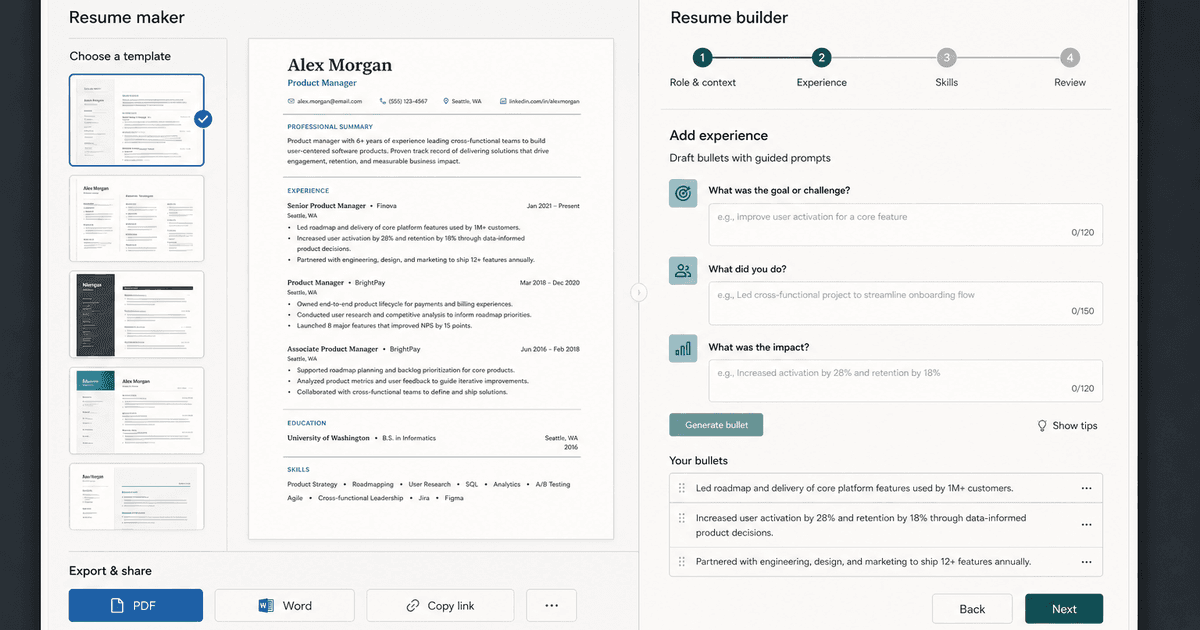
career By Pika Resume Team | Aug 3, 2026
Resume Maker vs Resume Builder: Which Should Job Seekers Use?
By Pika Resume Team | Aug 3, 2026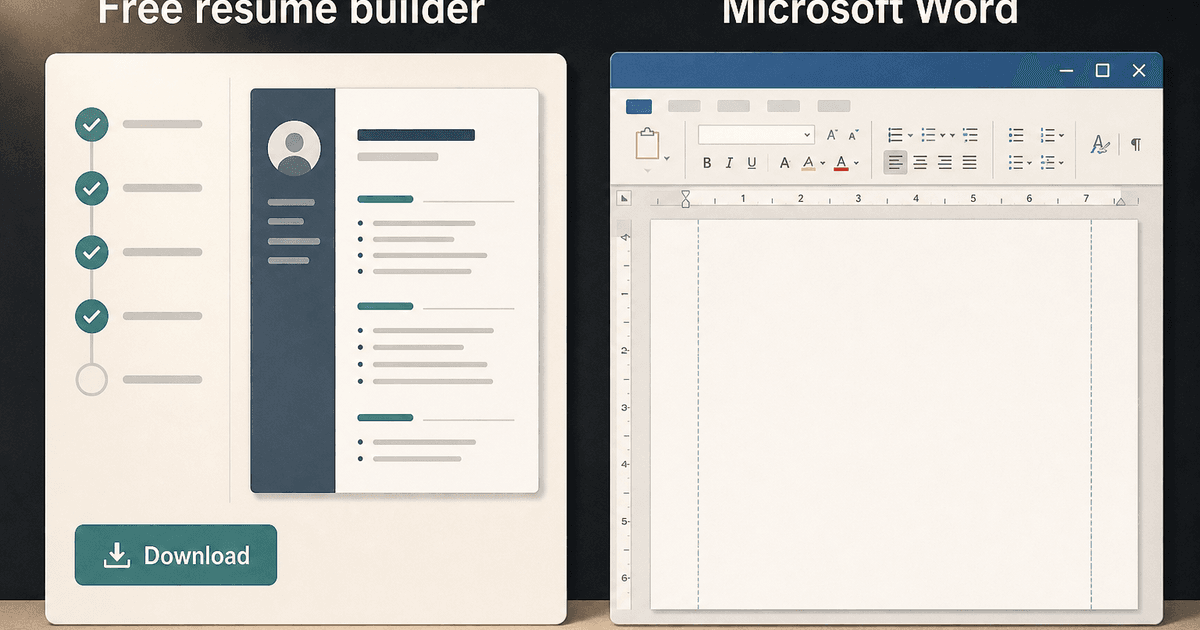
careerBy Pika Resume Team | Aug 2, 2026
Free Resume Builder and Download vs Microsoft Word
By Pika Resume Team | Aug 2, 2026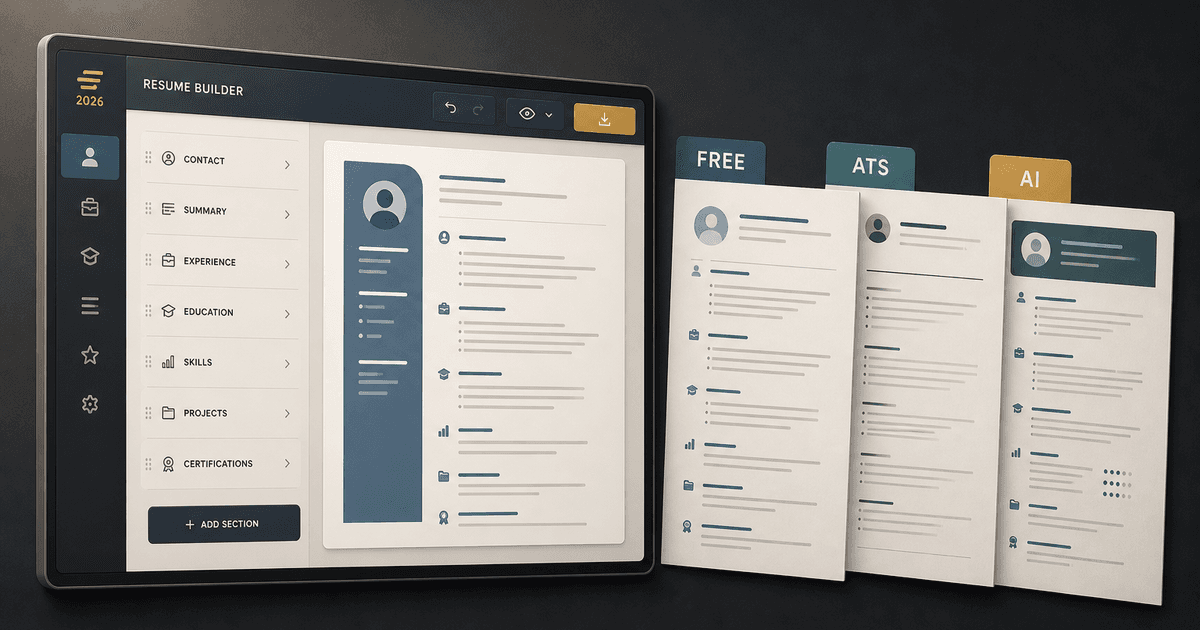
careerBy Pika Resume Team | Jul 30, 2026
What Is the Best Resume Builder Website for 2026?
By Pika Resume Team | Jul 30, 2026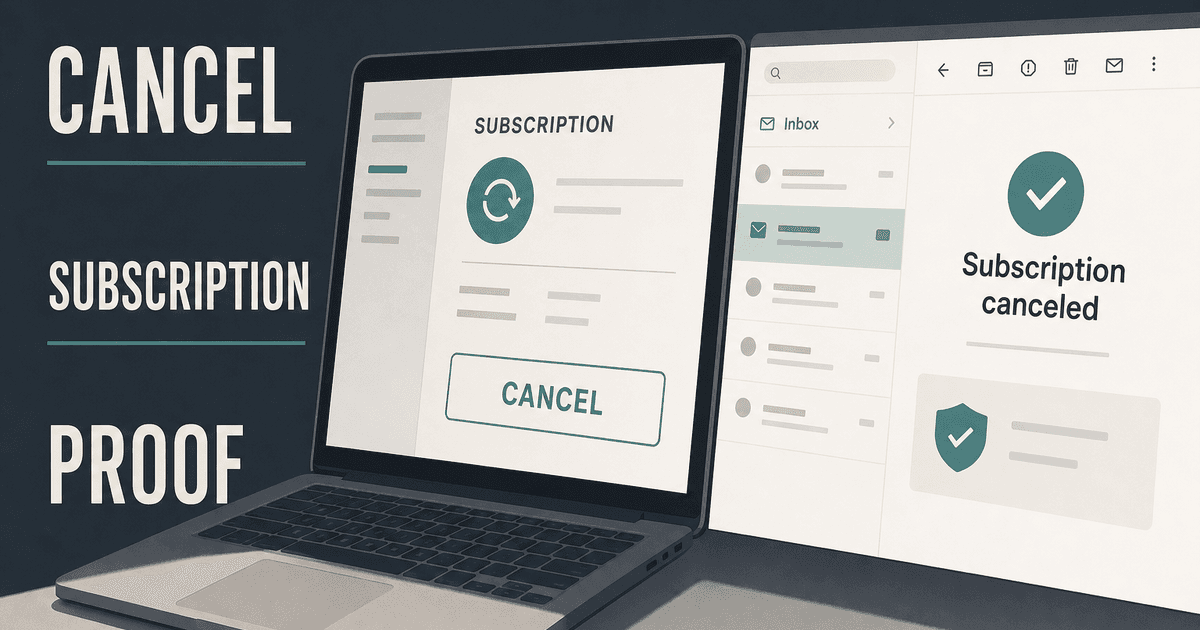
careerBy Pika Resume Team | Jul 27, 2026
How to Cancel Resume Builder Subscription Without Surprises
By Pika Resume Team | Jul 27, 2026
careerBy Pika Resume Team | Jul 26, 2026
How Much Is Resume Builder? Free vs Paid Explained
By Pika Resume Team | Jul 26, 2026
careerBy Pika Resume Team | Jul 20, 2026
Resume Builder App: What the Best One Lets You Do
By Pika Resume Team | Jul 20, 2026
careerBy Pika Resume Team | Jul 19, 2026
Free Resume Builder and Download: Compare the Best Options
By Pika Resume Team | Jul 19, 2026
careerBy Pika Resume Team | Jul 16, 2026
Free AI Resume Builder: What It Does Well and Fails At
By Pika Resume Team | Jul 16, 2026
careerBy Pika Resume Team | Jul 13, 2026
Resume format for ATS: a simple guide that works
By Pika Resume Team | Jul 13, 2026
careerBy Pika Resume Team | Jul 12, 2026
Canva Resume Builder vs ATS Reality Check
By Pika Resume Team | Jul 12, 2026
careerBy Pika Resume Team | Jul 9, 2026
Free resume builder: what makes one worth using
By Pika Resume Team | Jul 9, 2026
careerBy Pika Resume Team | Jul 6, 2026
Resume Builder: What It Actually Does for Job Seekers
By Pika Resume Team | Jul 6, 2026
resume tipsBy Pika Resume Team | Jun 20, 2026
The Resume Sections Most People Get Wrong (and How to Fix Each One)
By Pika Resume Team | Jun 20, 2026resume tipsBy Pika Resume Team | Jun 18, 2026
How to Edit a PDF Resume Without Wrecking the Formatting
By Pika Resume Team | Jun 18, 2026resume reviewBy Pika Resume Team | Jun 16, 2026
AI Resume Feedback vs a Human Expert Review: When Each Is Worth It
By Pika Resume Team | Jun 16, 2026atsBy Pika Resume Team | Jun 14, 2026
What an ATS Actually Does to Your Resume (and the 8 Things It Scores)
By Pika Resume Team | Jun 14, 2026resume tipsBy Pika Resume Team | Jun 12, 2026
How to Tailor Your Resume to a Job Description in 2026 (the 3-Pass Method)
By Pika Resume Team | Jun 12, 2026resumeBy Gargi Chaudhari | May 30, 2026
Resume vs Biodata vs CV: Which One Do You Actually Need?
By Gargi Chaudhari | May 30, 2026resumeBy Astha Narang | May 28, 2026
10 Software Engineer Resume Examples That Got Interviews (2026)
By Astha Narang | May 28, 2026resumeBy Gargi Chaudhari | May 26, 2026
How to Convert a LinkedIn Profile to a Resume or CV
By Gargi Chaudhari | May 26, 2026resumeBy Astha Narang | May 23, 2026
Best Resume Format for Indian IT Services Companies (TCS, Infosys, Wipro, Accenture)
By Astha Narang | May 23, 2026resumeBy Gargi Chaudhari | May 21, 2026
The Complete Guide to ATS Resume Screening in India (2026)
By Gargi Chaudhari | May 21, 2026resumeBy Astha Narang | May 19, 2026
Hobbies and Interests for Resume: Should You Include Them?
By Astha Narang | May 19, 2026resumeBy Gargi Chaudhari | May 14, 2026
How to Write a Resume Headline That Gets Recruiter Calls on Naukri
By Gargi Chaudhari | May 14, 2026interviewBy Astha Narang | May 8, 2026
Decoding Interviewer Psychology: What They Don't Tell You for Your Next Job
By Astha Narang | May 8, 2026resumeBy Gargi Chaudhari | May 7, 2026
Career Objective for Resume: 50+ Fresher Examples (2026)
By Gargi Chaudhari | May 7, 2026resumeBy Astha Narang | May 6, 2026
7 Dangerous ATS Myths Debunked: What Actually Gets You Hired in 2026
By Astha Narang | May 6, 2026resumeBy Astha Narang | May 4, 2026
Master Your Resume: The Ultimate Guide to Listing Computer Skills
By Astha Narang | May 4, 2026resumeBy Astha Narang | Apr 29, 2026
4 Sales Resume Examples for SDR, Account Executive & Manager (2026)
By Astha Narang | Apr 29, 2026resumeBy Astha Narang | Apr 29, 2026
4 Data Analyst Resume Examples for 2026 (Entry-Level to Senior)
By Astha Narang | Apr 29, 2026resumeBy Astha Narang | Apr 24, 2026
Resume Tips for 2026: The Ultimate Guide to Landing Interviews
By Astha Narang | Apr 24, 2026resumeBy Astha Narang | Apr 22, 2026
Bad Resume vs. Good Resume: A Side-by-Side Comparison for Job Seekers
By Astha Narang | Apr 22, 2026resumeBy Astha Narang | Apr 20, 2026
How to Add LinkedIn to Your Resume the Right Way in 2026
By Astha Narang | Apr 20, 2026resumeBy Astha Narang | Apr 17, 2026
7 Common Resume Mistakes to Avoid in 2026 (and How to Fix Them)
By Astha Narang | Apr 17, 2026resumeBy Pika Resume Team | Apr 15, 2026
Master Your LinkedIn-to-Resume Link: A 2026 Guide for Top Candidates
By Pika Resume Team | Apr 15, 2026resumeBy Astha Narang | Apr 13, 2026
How to Write a Winning Resume Summary That Grabs Recruiter Attention
By Astha Narang | Apr 13, 2026careerBy Astha Narang | Apr 11, 2026
Owning Your Career Break: How to Frame a Gap Year on Your Resume in 2026
By Astha Narang | Apr 11, 2026resumeBy Astha Narang | Apr 8, 2026
The Complete 2026 Resume Guide: Crafting a Job-Winning Document
By Astha Narang | Apr 8, 2026resumeBy Astha Narang | Apr 4, 2026
Beat the ATS: Optimize Your Resume for Applicant Tracking Systems in 2026
By Astha Narang | Apr 4, 2026resumeBy Astha Narang | Mar 30, 2026
Expert Resume Review: Is It Worth the Investment for Your Career?
By Astha Narang | Mar 30, 2026resumeBy Astha Narang | Mar 25, 2026
Master the 30-Second Resume Scan: Expert & Recruiter Insights
By Astha Narang | Mar 25, 2026resumeBy Astha Narang | Mar 24, 2026
How to Explain Employment Gaps on Your Resume & Ace Interviews
By Astha Narang | Mar 24, 2026resumeBy Astha Narang | Mar 20, 2026
Master Resume Keywords: Your Guide to ATS Success
By Astha Narang | Mar 20, 2026careerBy Astha Narang | Mar 18, 2026
How to Stand Out in Interviews While Still Being Authentic
By Astha Narang | Mar 18, 2026careerBy Astha Narang | Mar 14, 2026
Why Sending the Same Resume to Every Job is Costing You Interviews
By Astha Narang | Mar 14, 2026resumeBy Astha Narang | Mar 12, 2026
The Dynamic Duo: Why AI + Human Expertise is the 2026 Career Cheat Code
By Astha Narang | Mar 12, 2026careerBy Astha Narang | Mar 9, 2026
Get Your Resume Roasted Using PIKA AI
By Astha Narang | Mar 9, 2026jobBy Astha Narang | Mar 7, 2026
How to Show a Promotion on Your Resume? (And Why Most People Get It Wrong)
By Astha Narang | Mar 7, 2026careerBy Astha Narang | Mar 6, 2026
Should You Put Your Address on Your Resume in 2026?
By Astha Narang | Mar 6, 2026careerBy Astha Narang | Mar 3, 2026
Is It Illegal to Lie on a Resume? What Actually Happens in 2026
By Astha Narang | Mar 3, 2026jobBy Pika Resume Team | Feb 5, 2026
How to Optimize Your Resume for Remote Job Applications
By Pika Resume Team | Feb 5, 2026interviewBy Pika Resume Team | Feb 1, 2026
How to Write an ATS-Friendly Resume in 2026
By Pika Resume Team | Feb 1, 2026cover-letterBy Pika Resume Team | Jan 25, 2026
Top 7 Cover Letter Mistakes That Cost You the Interview
By Pika Resume Team | Jan 25, 2026resumeBy Pika Resume Team | Jan 18, 2026
AI Resume Builders: A Complete Guide for Job Seekers in 2026
By Pika Resume Team | Jan 18, 2026jobBy Pika Resume Team | Jan 10, 2026
Resume Tips for Career Changers: Making a Smooth Transition
By Pika Resume Team | Jan 10, 2026careerBy Pika Resume Team | Jan 3, 2026
The Power of Keywords in Your Resume: An SEO Approach to Job Applications
By Pika Resume Team | Jan 3, 2026